
Summary of the analysis
- China’s 2025 additions alone 315 GW of solar exceeded the total solar capacity of many countries combined.
- Driving Factors: Policy, Investment, and Innovation
- Sri Lanka enjoys abundant sunshine and a strong renewable target: 70% electricity from clean sources by 2030.
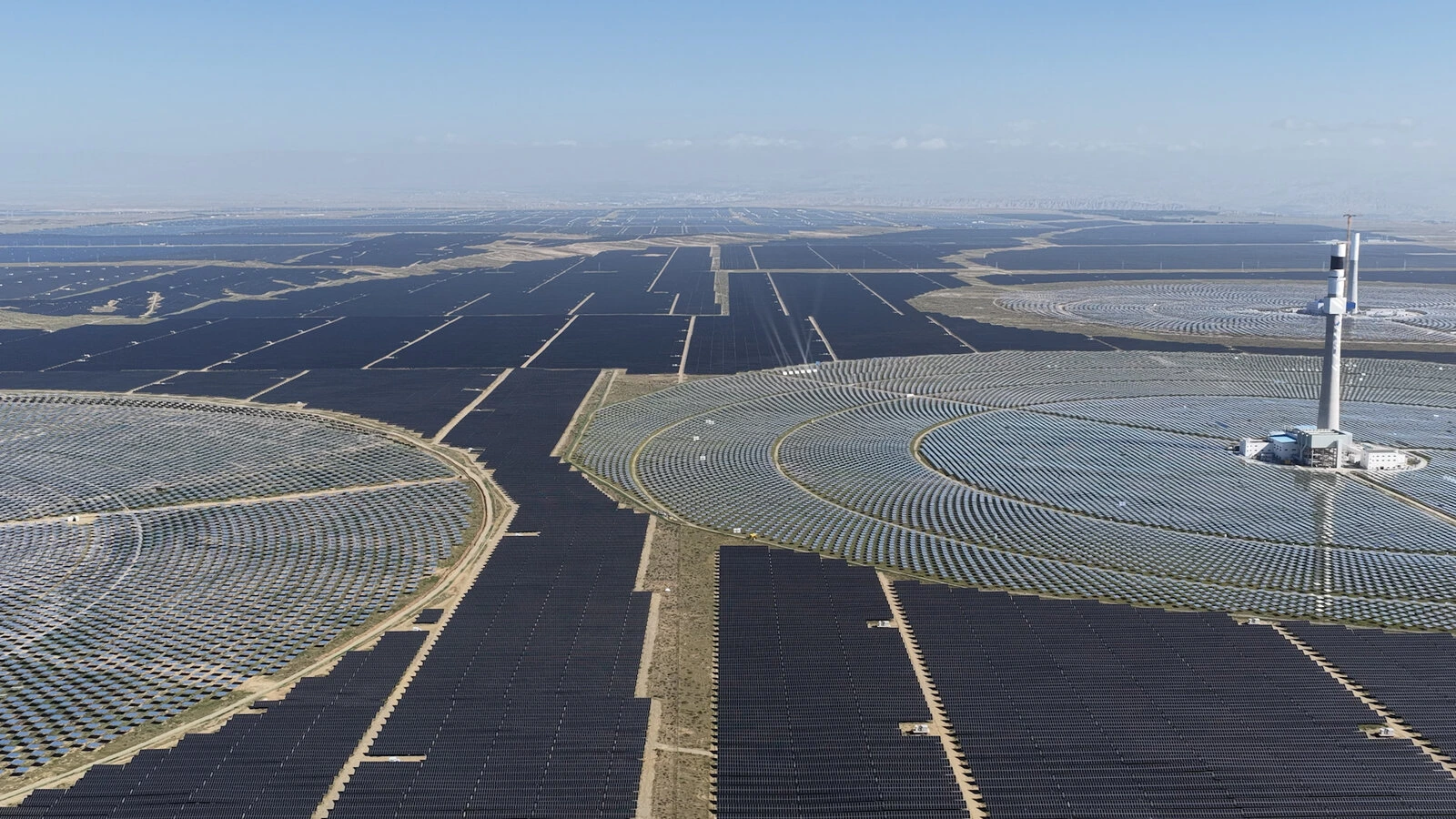
China continues to lead the world in solar energy as of 2026. In 2025, the country installed a record 315 GW of new solar capacity, bringing its total photovoltaic (PV) installed base to approximately 1.2 terawatts (TW). When combined with wind power, China’s renewable energy capacity surpassed 1.8 TW, representing over 60% of its total power generation capacity from non-fossil sources.
This achievement is remarkable: China now produces more than 80% of the world’s solar panels, driving down global costs and making solar power affordable for nations everywhere. For Sri Lankans homeowners considering rooftop installations, farmers seeking reliable irrigation pumps, or families managing electricity bills China’s success story offers hope and practical ideas. Our country targets 70% renewable electricity by 2030, with growing solar projects adding capacity steadily.
This article examines China’s key accomplishments, the strategies behind them, and actionable lessons for Sri Lanka and similar developing nations aiming for clean, sustainable energy.
Also in Explained | Inflation Edges Up to 2.9%: The Real Extra Cost Hitting Sri Lankan Family Budgets
China’s Solar Achievements: Scale and Global Impact
China’s 2025 additions alone 315 GW of solar exceeded the total solar capacity of many countries combined. This pushed cumulative PV to 1.2 TW, while wind contributions brought renewables to nearly 1.84 TW overall. Non-fossil fuels now make up more than 60% of China’s power capacity, a shift from fossil dominance just a decade ago.
The benefits extend globally. China’s manufacturing dominance controlling over 80% of panel production has slashed solar costs by more than 80% in the past decade. Developing nations access affordable technology, accelerating their own transitions.
For everyday people in China, this means cleaner air, reduced import dependence, and millions of jobs in the renewable sector. Worldwide, it supports climate goals by making solar viable everywhere.
Driving Factors: Policy, Investment, and Innovation
China’s success combines long-term vision with execution:
- Strong government policies → Clear targets and incentives built the industry from early subsidies to market-driven growth.
- Massive manufacturing investment → Dominance in the full supply chain from polysilicon to modules creates economies of scale.
- Large-scale deployment → Projects in deserts, rooftops, and integrated “solar + agriculture” models maximize output.
- Grid and storage upgrades → Improved transmission and batteries handle variable renewables effectively.
These strategies turned ambition into reality, with rapid annual additions becoming routine.
Practical Lessons for Sri Lanka
Sri Lanka enjoys abundant sunshine and a strong renewable target: 70% electricity from clean sources by 2030. China’s experience provides clear takeaways:
- Set ambitious, consistent targets – Long-term goals attract investment and guide planning.
- Develop local manufacturing or assembly – Incentives for panel production or components create jobs and reduce imports.
- Prioritize rooftop and distributed solar – Net metering for homes and businesses empowers users, cuts bills, and eases grid pressure.
- Upgrade grids and add storage – Modern transmission integrates more solar without waste.
- Leverage affordable imports initially – Use low-cost panels for quick rollout, building domestic capabilities over time.
- Train the workforce – Programs in installation and maintenance generate green employment for youth.
Public enthusiasm grows: many households install solar for savings and reliability, especially during outages. Community projects in rural areas show promise.
Opportunities and Balanced Growth for Sri Lanka
With average solar potential of 5-6 kWh/m²/day, Sri Lanka can expand significantly. Current efforts rooftop schemes, large parks, international partnerships gain from China’s model: streamline approvals, scale tenders, and focus on inclusive access.
For families, solar means lower costs and energy security. Businesses benefit from stable power; estates and farms gain irrigation reliability.
Challenges like financing or land use can be addressed through cooperatives or innovative funding.
A Sustainable Path Forward
China’s 2026 solar leadership 1.2 TW capacity and driving global affordability proves rapid renewable growth is achievable. For Sri Lanka, lessons in policy commitment, manufacturing, and deployment offer a roadmap to our 70% renewable target.
Citizens stand to gain most: affordable clean energy, new jobs, healthier environments. As more homes light up with solar or communities power shared facilities, progress becomes real.
By adapting China’s strategies thoughtfully prioritizing local needs and equity Sri Lanka can harness the sun for resilient, inclusive growth.
Also in Explained | Electricity Tariff Revision Proposal for Q1 2026: Potential Effects on Household Finances and Energy Use in Sri Lanka