Sugar Labels Sri Lanka: Are We Reading Before We Eat?
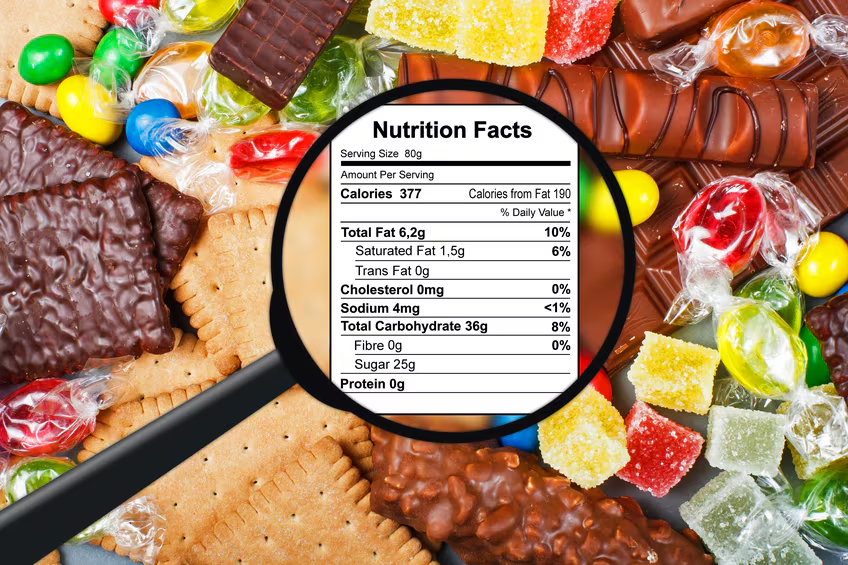
Sri Lanka already uses colour-coded sugar warnings on many packaged foods and drinks. Yet many of us still choose food by taste, habit or brand without checking what the packet is telling us. In a country with a growing diabetes burden, learning to read sugar labels is becoming a basic health skill.
AI Risks 2026: Why the Debate Has Moved Beyond Hallucinations

The AI safety debate has moved quickly from chatbots making factual mistakes to warnings about cyberattacks, autonomous agents and systems becoming difficult to control. A major MIT-linked study of 272 experts helps separate the risks we already understand from the catastrophic possibilities we are still struggling to measure.
Sri Lanka Usable Reserves 2026: How Strong Is the US$6.9bn Buffer?

Sri Lanka’s gross official reserves reached US$6.905 billion at end-August. But gross reserves are not the same as immediately deployable crisis cash. A Ceylon Public Affairs stress test strips out contingent components and known drains before testing the buffer against oil and tourism shocks.
Sri Lanka Solar Grid Integration: Can the Grid Absorb 300 MW More?
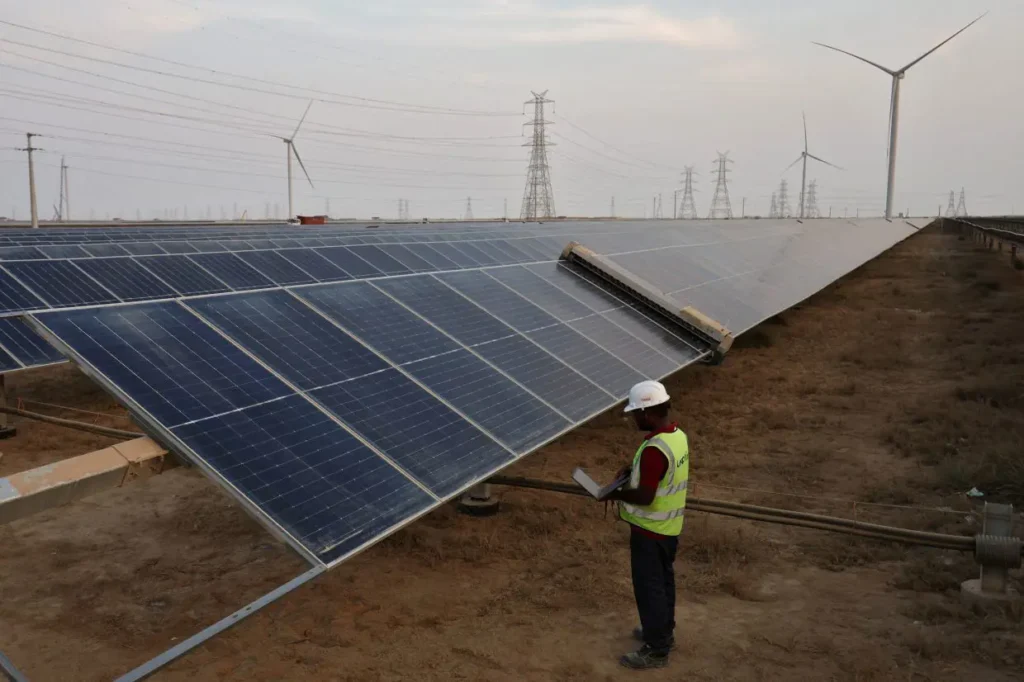
Sri Lanka has connected the first project in a programme targeting 300 MW of ground-mounted solar. The milestone is important, but the harder energy transition is beginning: building a grid capable of absorbing increasingly variable renewable power without excessive curtailment, instability or unnecessary cost.
Rumesh Tharanga Pathirage: Building Sri Lanka’s LA28 Medal Hope

From schoolboy fast bowler to World No.1 javelin thrower, Rumesh Tharanga Pathirage has produced one of the greatest seasons by a Sri Lankan athlete. The talent is already proven. The next challenge is ensuring the right system surrounds him all the way to Los Angeles 2028.
Sri Lanka Health System Reform 2026: Can Prevention Catch Up With Hospitals?
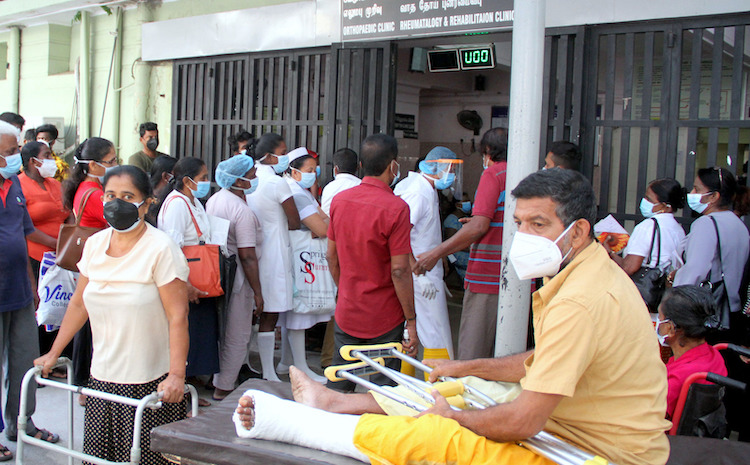
Sri Lanka has approved more than Rs.5 billion in new cardiac-care construction while agreeing to a WHO-backed review of national health-emergency preparedness. Both are necessary, but together they raise a deeper question: is health investment moving quickly enough towards prevention, primary care, digital continuity and resilience?
Sri Lanka IMF Seventh Review 2026: What the September Mission Will Test
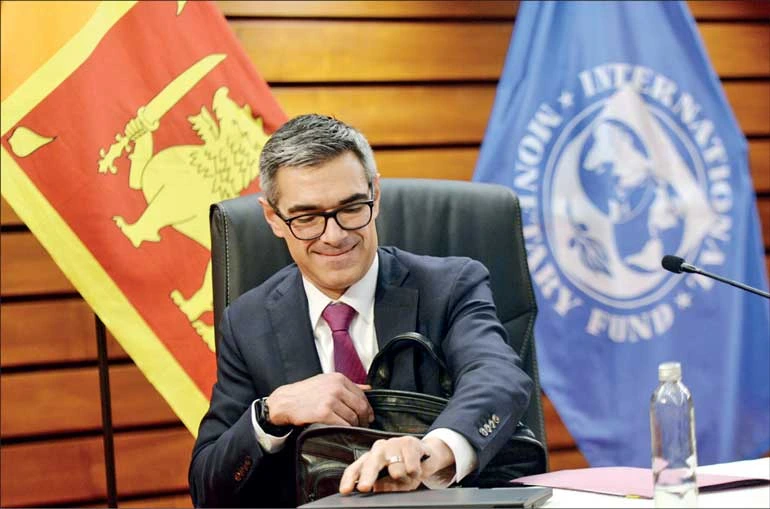
The IMF will visit Sri Lanka from 10–23 September for the Seventh EFF Review and the 2026 Article IV Consultation. The mission arrives as inflation reaches 8%, the current account records four consecutive monthly deficits and fuel-import costs rise sharply, even as remittances and reserves provide important buffers.
National Business Facility Centre Sri Lanka: Can It Cut Investment Delays?
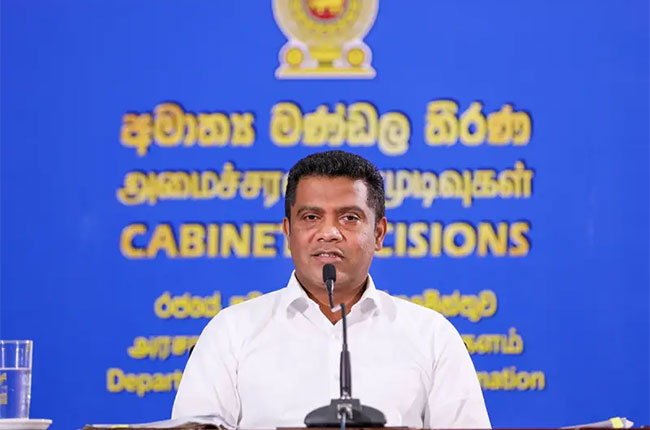
Sri Lanka has approved a National Business Facility Centre under the Presidential Secretariat to address fragmented investment approvals. The opportunity is significant, but success will depend on authority, deadlines, transparency and whether the Centre removes bottlenecks rather than creating another administrative layer.
UGC Approved Diploma Sri Lanka? What That Claim Really Means
“UGC Approved” has become one of the most powerful phrases in Sri Lanka’s private-education market. But a recognised institution, an SLQF-aligned syllabus, a foreign university and a government-approved qualification are not the same thing. Students need to know the difference before paying.
Sri Lanka Food Packaging Standards: Are Consumers Being Told Enough?
A Reuters investigation into packaged foods in India has reopened a wider South Asian question: do consumers receive the same level of nutritional transparency and packaging protection expected in more mature regulatory markets? Sri Lanka already has important rules, but implementation, testing and consumer-friendly information deserve closer attention.