
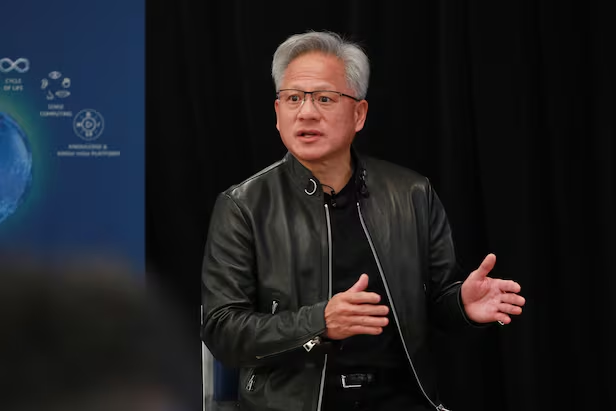
In a thought-provoking talk that has resonated worldwide, Jensen Huang, the visionary CEO and co-founder of NVIDIA, shared unconventional advice with students at Stanford University. He candidly stated, “For all of you Stanford students, I wish upon you ample doses of pain and suffering.” This bold statement, from a leader who has guided NVIDIA to become one of the most valuable companies on the planet, sparks curiosity: Why would a successful billionaire advocate for hardship as a pathway to greatness? Huang’s words highlight a profound truth about human potential resilience and character, not just intelligence, drive lasting success. His message transcends business, offering timeless insights into personal growth, overcoming adversity, and building a resilient mindset for everyday life.
Huang, known for his signature leather jacket and straightforward style, delivered these remarks during an interview at Stanford’s Graduate School of Business. Speaking to an audience of high-achieving young people, he contrasted his own upbringing with their privileged experiences. As an immigrant who faced early challenges, Huang credits setbacks for shaping his strength. Today, as head of NVIDIA a powerhouse in AI, graphics processing, and technology innovation he applies these lessons to leadership and life. His philosophy challenges the idea that smooth paths lead to fulfillment, emphasizing instead that adversity forges the inner strength needed to thrive.
Also in Explained | Will AI Really Take Your Job? NVIDIA CEO Jensen Huang Says It Will Enhance Your Purpose Instead
The Link Between Expectations, Resilience, and Success
Huang’s core argument is simple yet powerful: “People with very high expectations have very low resilience.” He observes that graduates from elite institutions like Stanford often enter the world with sky-high expectations. Surrounded by brilliance, top grades, and opportunities, they naturally anticipate continued success. While this confidence is deserved, Huang warns it can create fragility. When inevitable setbacks occur whether a failed project, personal loss, or unexpected obstacle those unaccustomed to struggle may falter.
In contrast, Huang shares his personal advantage: “I have very low expectations.” Growing up with opportunities for both success and suffering, he learned early to bounce back. Resilience, he argues, matters more than raw intelligence in achieving long-term goals. “Resilience matters in success,” he stresses, noting that life’s challenges test and build this essential quality. For anyone pursuing dreams be it in career, relationships, or self-improvement Huang’s insight rings true: High expectations without resilience can lead to disappointment, while embracing hardship cultivates endurance.
This perspective on resilience building isn’t limited to tech giants or entrepreneurs. In daily life, parents, educators, and individuals face similar dynamics. Overprotecting from failure might preserve short-term comfort but hinders long-term growth. Huang’s words encourage a balanced view: Prepare for challenges, knowing they refine character.
How Adversity Shapes Character and Greatness
At the heart of Huang’s message is a distinction between intelligence and greatness. “Greatness is not intelligence,” he declares. “Greatness comes from character, and character isn’t formed out of smart people. It’s formed out of people who suffered.” He uses the phrase “pain and suffering” with “great glee” in his company, viewing it as a tool to “train” and “refine” teams. Challenges push people beyond comfort zones, revealing strengths and fostering innovation.
Huang admits he doesn’t know how to “teach” resilience artificially, so he hopes “suffering happens to you.” This isn’t a curse but a genuine wish for growth. In his view, controlled doses of adversity like tackling difficult tasks, facing rejection, or navigating uncertainty build the mental toughness needed for extraordinary achievements.
For ordinary people, this translates to real-world applications. Think of athletes enduring rigorous training, artists persisting through criticism, or anyone recovering from personal setbacks like job loss or health issues. These experiences, though painful, often lead to deeper empathy, creativity, and determination. Psychological research supports this: Adversity can foster post-traumatic growth, where individuals emerge stronger, more appreciative, and purposeful.
Huang’s own journey exemplifies this. From humble beginnings to leading NVIDIA through industry upheavals, he has navigated immense pressure. Yet, he frames hardship positively as “happy” pain that hones character. This mindset shift turns obstacles into opportunities, a valuable lesson for global audiences facing economic uncertainties, personal struggles, or career transitions.
Embracing Challenges: A Universal Path to Personal Development
Huang’s advice extends far beyond Silicon Valley. In a world obsessed with quick wins, positivity, and perfection, his call to embrace pain and suffering feels countercultural, but refreshing. It reminds us that true fulfillment often comes from overcoming, not avoiding, difficulties. Whether you’re a student starting out, a professional seeking advancement, or someone navigating life’s ups and downs, building resilience through challenges can unlock potential.
Parents might reflect on allowing children to face natural consequences, fostering independence. Individuals can seek growth by stepping into discomfort learning new skills, volunteering in tough environments, or pursuing ambitious goals despite risks. Communities worldwide, from bustling cities to rural areas, draw strength from shared adversities, emerging more united.
Ultimately, Huang isn’t glorifying unnecessary harm. He advocates for meaningful struggles that build character. As he refines NVIDIA’s culture through deliberate challenges, we can apply the same to our lives: View setbacks as teachers, resilience as a superpower, and character as the foundation of greatness.
Jensen Huang’s provocative words challenge us to rethink success. Pain and suffering, when approached with purpose, aren’t enemies, they’re allies in the quest for a resilient, meaningful life. In an era of uncertainty, this success mindset offers hope: Embrace the grind, and greatness follows.
Also in Explained | Is Migration a Good Solution for Sri Lankans? The Hidden Struggles Behind Overseas Dreams