
Summary of the analysis
- Protecting young women by standardizing age 18, supporting education and well-being.
- Ensuring genuine consent through direct involvement.
- Enhancing Quazi Courts with qualified, Diverse appointees for fairer decisions.
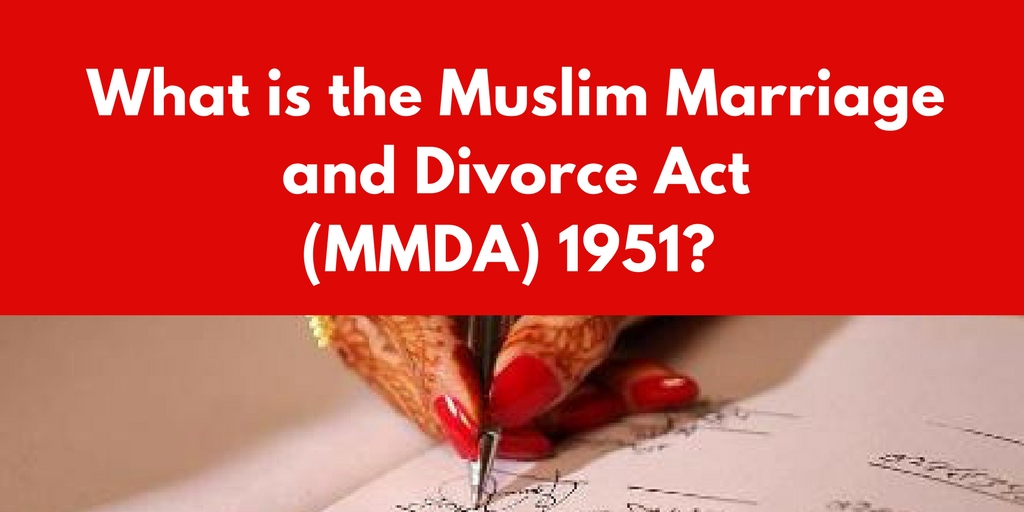
The Muslim Marriage and Divorce Act (MMDA) of 1951 governs marriages, divorces, and related matters for Sri Lanka’s Muslim community. It replaced the previous “Muslim Marriage and Divorce Registration Ordinance” of 1929 and the older “Mohammadan Code” of 1806, officially establishing a codified system for marriage, divorce, and the Quazi court system. MMDA, enacted during the colonial era, it has remained largely unchanged for over seven decades. While it provides a framework rooted in more into cultural principles than religious principles, many Muslim women and med advocate for updates to address evolving societal needs, focusing on equality, consent, and protection.
From a public perspective, Muslim women in Sri Lanka; mothers raising daughters, professionals balancing careers, or community members seeking fairness express a desire for reforms that strengthen rights without compromising faith. Advocacy groups representing diverse Muslim voices highlight specific changes: raising the minimum marriage age to 18, requiring the bride’s explicit consent through signature, allowing women to serve as Quazis, mandating legal qualifications for Quazis, ensuring legal representation in Quazi Courts, and transferring maintenance claims to Magistrate’s Courts.
This article provides a neutral analysis of the MMDA, the reforms sought by many Muslim women, and how similar updates in Malaysia and Indonesia have advanced gender equality while respecting Islamic principles.
Also in Explained | Clean Drinking Water Access in Sri Lanka 2026: Challenges in Distribution and Paths to Improvement
Understanding the Muslim Marriage and Divorce Act – Framework and Current Provisions
The MMDA applies exclusively to Muslims in Sri Lanka, covering registration of marriages, polygamy, divorce procedures, maintenance, and inheritance-related disputes. Quazi Courts handle these matters, presided over by Quazis appointed under the Act.
Key aspects include:
- No statutory minimum marriage age (though puberty is implied in traditional interpretations).
- Bride’s consent often represented by a guardian (wali).
- Quazis are exclusively male, with qualifications based on religious knowledge rather than formal legal training.
- Limited avenues for legal representation in Quazi proceedings.
- Maintenance disputes resolved within the Quazi system.
These provisions have functioned for generations, providing a dedicated mechanism for community matters. However, many Muslim women note that societal changes higher education levels, delayed marriages, and greater awareness of rights call for alignments with principles of justice and equality emphasized in Islam.
Reforms Sought by Muslim Women – Focus on Equality and Protection
Muslim women’s groups, through consultations and submissions over years, consistently advocate for targeted amendments. These include:
- Setting the minimum marriage age at 18 for both parties, without exceptions, to protect against early marriages and support education/health.
- Mandating the bride’s personal signature on the marriage register as proof of consent, ensuring her direct agreement.
- Allowing qualified women to serve as Quazis, promoting gender representation in judicial roles.
- Requiring Quazis to be trained lawyers, enhancing fairness and legal expertise.
- Permitting legal representation in Quazi Courts for better advocacy.
- Transferring maintenance claims to Magistrate’s Courts for streamlined, impartial handling.
These proposals aim to empower women within the existing religious framework, emphasizing consent, qualification, and access to justice. Many women view them as upholding Islamic values of equity while addressing modern realities delayed marriages, professional aspirations, and protection from vulnerabilities.
Public discussions among Muslim communities reflect support for these changes: mothers wanting safeguards for daughters, professionals seeking balanced rights, and elders appreciating updates that maintain cultural integrity.
Lessons from Malaysia and Indonesia – Successful Reforms
Malaysia and Indonesia, with Muslim-majority populations, had family laws influenced by colonial-era frameworks similar to Sri Lanka’s MMDA. Both countries implemented reforms that improved women’s rights while respecting Islamic principles.
In Malaysia, the Islamic Family Law Act has been progressively updated. Key changes include raising the minimum marriage age to 18 (with court approval for 16-18), requiring explicit consent, and enhancing women’s roles in family matters. Women now serve as judges in Syariah Courts, and maintenance/divorce processes offer greater protections. These reforms reduced child marriages and improved gender equity, contributing to higher female education and workforce participation.
Indonesia’s Compilation of Islamic Law, introduced in 1991 and amended over time, sets the minimum marriage age at 19, mandates mutual consent, and allows women judges in religious courts. Reforms strengthened divorce rights, maintenance enforcement, and polygamy regulations. Child marriage rates declined significantly, with better outcomes in health and education for women.
Both nations demonstrate that thoughtful amendments developed through community consultations can align laws with contemporary needs, promoting family stability and women’s empowerment.
Benefits of Balanced Reforms for Sri Lanka
Updates to the MMDA could bring practical advantages:
- Protecting young women by standardizing age 18, supporting education and well-being.
- Ensuring genuine consent through direct involvement.
- Enhancing Quazi Courts with qualified, Diverse appointees for fairer decisions.
- Streamlining processes for efficiency and access to justice.
These align with broader national goals: gender equality, child protection, and legal consistency. Many Muslim women emphasize that reforms strengthen families by fostering mutual respect and security.
A Path Forward Through Dialogue
The MMDA has served Sri Lanka’s Muslim community for decades, providing a dedicated system for personal laws. Calls for reform from women reflect aspirations for greater equity; consent, protection, representation within the faith’s principles.
Experiences in Malaysia and Indonesia show positive outcomes from similar updates: reduced vulnerabilities, empowered women, stable societies.
In Sri Lankan homes discussing daughters’ futures or communities seeking justice, open dialogue ensures changes benefit all. Balanced reforms can honor tradition while embracing progress, building stronger, fairer families.
As Muslim women and men lead these conversations, the focus remains clear: rights that uplift without division.
Also in Explained | Is Migration a Good Solution for Sri Lankans? The Hidden Struggles Behind Overseas Dreams