
Summary of the analysis
- Sri Lanka opened applications for competitive examinations to recruit teachers into the government teaching service.
- Online submissions run until the 19th for this category, with a separate recruitment process for non-state sector graduates starting on the 20th and closing March 5.
- Public excitement grows as young graduates prepare resumes and families encourage applications.
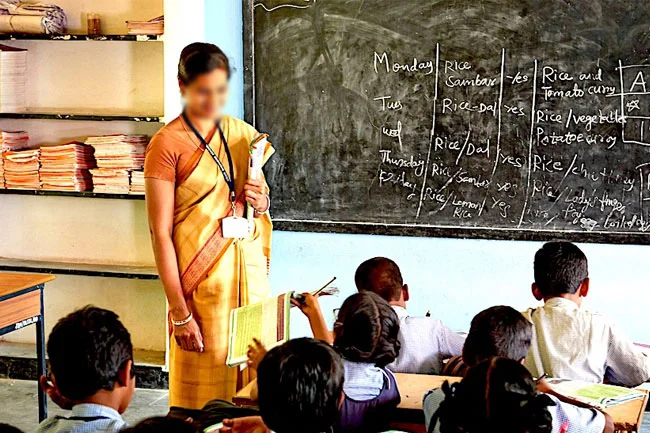
In early 2026, Sri Lanka opened applications for competitive examinations for Teacher Recruitment into the government teaching service, targeting graduates from state-sector institutions for vacancies in Sinhala, Tamil, and English mediums across national and provincial schools. Online submissions run until the 19th for this category, with a separate recruitment process for non-state sector graduates starting on the 20th and closing March 5. This initiative comes at a critical time: approximately 3,126 schools nationwide operate with fewer than 10 teachers, highlighting acute shortages that hinder effective education delivery.
From a public perspective, this recruitment drive offers hope. Parents in rural areas with understaffed schools see potential for better learning environments; graduates view stable careers in teaching; students anticipate qualified instructors for new subjects. Linking directly to ongoing education reforms including updated syllabi and added streams like entrepreneurship and STEM the drive aims to fill gaps, ensuring reforms achieve high impact through adequate staffing.
This article explores the recruitment details, teacher shortage realities, connections to reforms, and how addressing vacancies can elevate education quality for Sri Lankan children.
The Teacher Recruitment Process: Opportunities for Graduates
The Ministry of Education has streamlined applications online, making participation accessible. State-sector graduates apply first, sitting a competitive exam to fill existing vacancies. Non-state graduates follow with their dedicated process, broadening the pool.
Vacancies span mediums and school types, prioritizing equitable distribution. Successful candidates join a profession vital for national development teaching in national, provincial, or remote schools.
Public excitement grows: young graduates prepare resumes, families encourage applications. For many, government teaching offers stability, pensions, and community respect attractive amid job market challenges.
Also in Explained | Should Sri Lanka Reform the Muslim Marriage and Divorce Act (MMDA)?
Teacher Shortages: The Reality in Small Schools
Around 3,126 schools often in rural, estate, or remote areas function with fewer than 10 teachers. These institutions serve small student populations but face compounded issues: multi-grade classes, overburdened staff, and limited subject expertise.
Consequences affect learning: core subjects get priority, electives suffer, extracurriculars diminish. Students miss specialized guidance in languages, sciences, or arts. Parents in these communities note children traveling far for better schools or relying on private tuition.
Shortages stem from retirements, migrations, and uneven distribution urban schools attract more applicants. Estates and dry zones bear the brunt, widening education gaps.
Public calls for solutions resonate: “Our children deserve qualified teachers close to home.”
Connection to Education Reforms: Need for More Teachers
Recent reforms introduce competency-based learning, modular structures, and new subjects like Entrepreneurship and Financial Literacy, STEM streams, and technology integration. Starting with Grades 1 and 6, rollout requires skilled instructors to deliver effectively.
Small schools with few teachers struggle to implement changes lacking specialists for emerging fields or time for activity-based methods. Filling vacancies ensures reforms reach all students: rural children accessing entrepreneurship education, estate youth exploring STEM.
High impact depends on staffing: trained teachers facilitate deeper learning, critical thinking, and practical skills. Without them, reforms risk uneven application, limiting benefits.
Public views align: reforms promise modern education, but success needs teachers on ground.
Benefits of Filling Vacancies: Quality and Equity
Recruiting more teachers brings direct gains:
- Balanced workloads for better instruction.
- Specialized subjects in small schools.
- Reduced multi-grade challenges.
- Inclusive reforms reaching underserved areas.
Students gain: engaged classrooms, skill development, higher achievement. Communities benefit: local jobs, reduced migration, stronger futures.
For graduates, teaching offers purpose shaping minds while securing careers.
Implementation and Public Role
Online applications simplify access; exams ensure merit. Successful recruits receive training for new syllabi.
Public support matters: encouraging qualified youth, community awareness on needs.
Toward a Stronger Education System
Sri Lanka’s 2026 teacher recruitment addresses critical shortages in 3,126 understaffed schools, supporting ambitious reforms for all students.
Parents envision equipped classrooms; graduates see meaningful roles; children anticipate inspiring teachers.
Filling vacancies transforms potential into reality equitable, high-quality education driving national progress.
As applications open and exams approach, this drive unites us: building a brighter future, one teacher at a time.
Also in Explained | Clean Drinking Water Access in Sri Lanka 2026: Challenges in Distribution and Paths to Improvement