
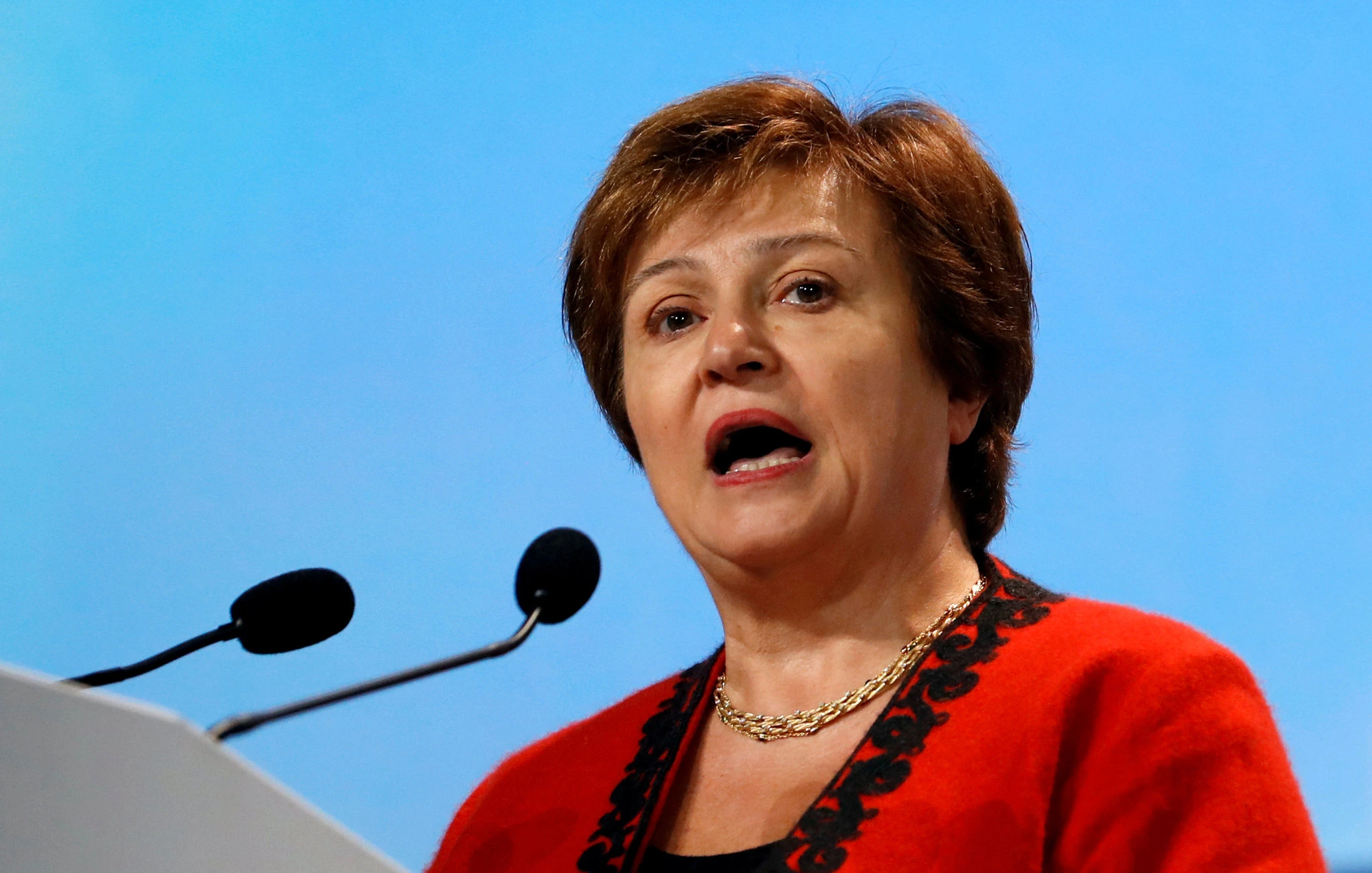
In our previous article, we explored the concept of fiscal space and its role in enabling governments to address priorities during challenging times. High-level international engagements can influence such flexibility, particularly in countries navigating recovery and external shocks. On February 16, 2026, IMF Managing Director Kristalina Georgieva arrived in Sri Lanka for a three-day official visit, marking a significant moment in the ongoing partnership.
For ordinary Sri Lankans, families rebuilding after Cyclone Ditwah’s floods, farmers restoring damaged crops, workers seeking stable livelihoods, or households managing daily expenses this visit by the Fund’s top official underscores continued global attention to the country’s progress and challenges. Her arrival follows recent staff missions and aligns with efforts to balance macroeconomic reforms with disaster response.
This article details the visit based on her public statements and verified reports: purposes, activities, key messages, and implications for recovery and support.
Also in Explained | What Did the IMF Conclude from Its January 2026 Visit to Sri Lanka?
Arrival and Warm Welcome
Georgieva arrived on February 16, 2026, and immediately shared a video message upon landing. Dressed in a red jacket with traditional embroidery, she greeted viewers with “Ayubowan! Vanakkam!” Sinhala and Tamil for welcome while performing the 🙏🏻 gesture, reflecting cultural respect.
She expressed feeling the “warmth and generosity” of the beautiful country known for hospitality. Traditional welcomes included garlands and a lamp-lighting ceremony, symbolising auspicious beginnings.
The visit concludes on February 18, 2026.
Purposes of the Visit
Georgieva outlined clear objectives in her arrival statement:
- Engage with authorities and key stakeholders.
- Witness firsthand the impact of Cyclone Ditwah.
- Discuss how the IMF can support recovery and build a stronger future for all Sri Lankans.
The cyclone, which struck in early January 2026, caused widespread flooding, infrastructure damage, and livelihood losses, particularly in central regions. Her itinerary included a February 17 visit to Gampola to assess destruction directly.
Meetings involve:
- President Anura Kumara Dissanayake.
- Prime Minister Dr. Harini Amarasuriya.
- Other government members.
- Civil society representatives and the business community.
These discussions focus on integrating disaster response into the Extended Fund Facility (EFF) framework while safeguarding reform gains.
Messages of Solidarity and Resilience from Kristalina Georgieva
Georgieva acknowledged arriving when many communities still recover from the cyclone’s “devastating impact.” She reaffirmed: “We have been standing by Sri Lanka and its people since the disaster, and we will continue to do so.”
Highlighting national strength, she referenced a local saying: “Even after the heaviest monsoon, the sun comes shining.” She extended “my heart to the people of Sri Lanka a resilient, strong country and people who can see improvements in their lives every single day.”
This optimism ties to EFF progress: stabilised reserves, low inflation, debt restructuring, and governance reforms providing foundations for inclusive growth.
IMF Support in Context
The visit builds on prior engagements, including a January 2026 staff mission assessing cyclone effects and reaffirming flexibility within the program.
Georgieva’s presence signals commitment to:
- Tailored assistance for reconstruction.
- Protecting social safety nets for vulnerable groups.
- Ensuring fiscal adjustments do not undermine recovery.
The EFF, ongoing since 2023, supports macroeconomic stability alongside protections for the poor. Direct assessment of disaster impacts informs potential adjustments in upcoming reviews.
Implications for Sri Lanka’s Recovery
For citizens, the visit carries practical and symbolic weight:
- Solidarity amid adversity – High-level empathy acknowledges hardships from the cyclone atop post-2022 crisis recovery.
- Potential enhanced support – Discussions may facilitate flexible handling of reconstruction spending, preserving social protections.
- Confidence signal – Reinforces investor and market trust in sustained reforms, aiding currency stability and low inflation.
- Inclusive dialogue – Engagements with civil society and business ensure diverse voices shape policy.
Challenges persist: integrating disaster costs without derailing targets requires careful calibration. Effective implementation of commitments transparent fund use, targeted aid will determine tangible benefits.
A Balanced Perspective
Kristalina Georgieva’s February 2026 visit combines assessment, dialogue, and reassurance. Her messages emphasise partnership: standing by Sri Lanka through shocks while supporting reforms for long-term resilience.
Arrival amid ongoing cyclone recovery highlights the IMF’s adaptive role balancing discipline with empathy. Personal touches, like cultural greetings and the resilience proverb, foster connection.
For everyday people, outcomes matter most: sustained stability enabling job creation, affordable essentials, and protected services. Success depends on mutual ownership, domestic execution paired with international flexibility.
As the visit progresses through February 18, it reinforces cooperative solutions in interconnected challenges. Georgieva’s engagement offers encouragement: after monsoons, brighter prospects can emerge through shared commitment.
Also in Explained | Why Is IMF Managing Director Kristalina Georgieva Planning a Visit to Sri Lanka in February 2026?