
Economy

AI Cyber Risks in Sri Lanka: Why the IMF's Financial Stability Warning Matters

AI Cyber Risks in Sri Lanka: Why the IMF’s Financial Stability Warning Matters

Artificial intelligence is changing cybersecurity for attackers and defenders alike, but the IMF’s latest warning goes beyond stolen passwords and online fraud. A cyberattack on shared digital infrastructure could disrupt several financial institutions simultaneously, turning a technical failure into a broader economic problem. For Sri Lanka, where digital banking and payments are becoming increasingly important, the challenge is no longer simply preventing attacks. It is ensuring that essential financial services can continue, and recover quickly, when prevention fails.
Read More...
Sri Lanka Financial System Stability 2026: Confidence Rises, External Risks Build

Sri Lanka Financial System Stability 2026: Confidence Rises, External Risks Build

Sri Lanka’s financial institutions are more confident about system stability, yet the risk they fear most is increasingly coming from outside the country. CBSL’s latest Systemic Risk Survey shows global macroeconomic risks rising sharply in importance, creating a new question for the recovery: can stronger banks absorb the next external shock without passing excessive pressure to borrowers?

Read More...
Sri Lanka IMF Seventh Review 2026: What the September Mission Really Means

Sri Lanka IMF Seventh Review 2026: What the September Mission Really Means

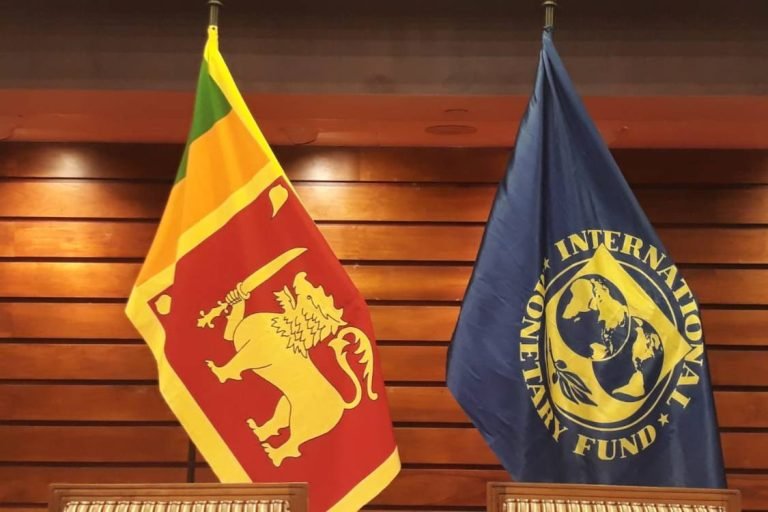
The IMF has finished its 10–23 September mission to Sri Lanka, but the Seventh Review is not yet complete. The Fund praised growth, reserves and fiscal progress while keeping pressure on tax reform, energy pricing, investment execution, inflation, governance and structural reform. Here is what the latest statement actually means for the country.

Read More...
Sri Lanka IMF Commitments August 2026: What Must Be Delivered?

Sri Lanka IMF Commitments August 2026: What Must Be Delivered?

Sri Lanka enters the final days of August with several IMF programme commitments approaching their deadlines. Public-investment rules, electricity tariff reform, procurement transparency and the Meridien debt system now offer a useful test of whether reforms are moving from agreement to implementation.

Read More...
EU India FTA Sri Lanka: How to Protect Its Export Position

EU India FTA Sri Lanka: How to Protect Its Export Position

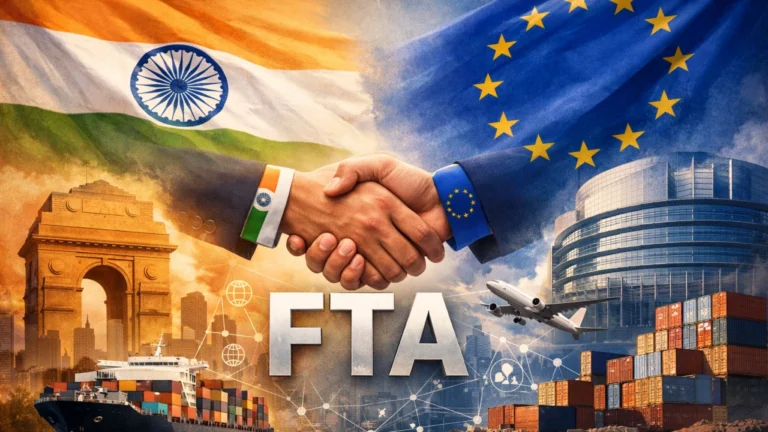
The EU–India Free Trade Agreement is not yet operational, but Sri Lanka has entered a critical preparation period. With the EU accounting for around 24% of merchandise exports, protecting GSP+, resolving rules-of-origin concerns and moving towards higher-value production are now socio-economic priorities.

Read More...