
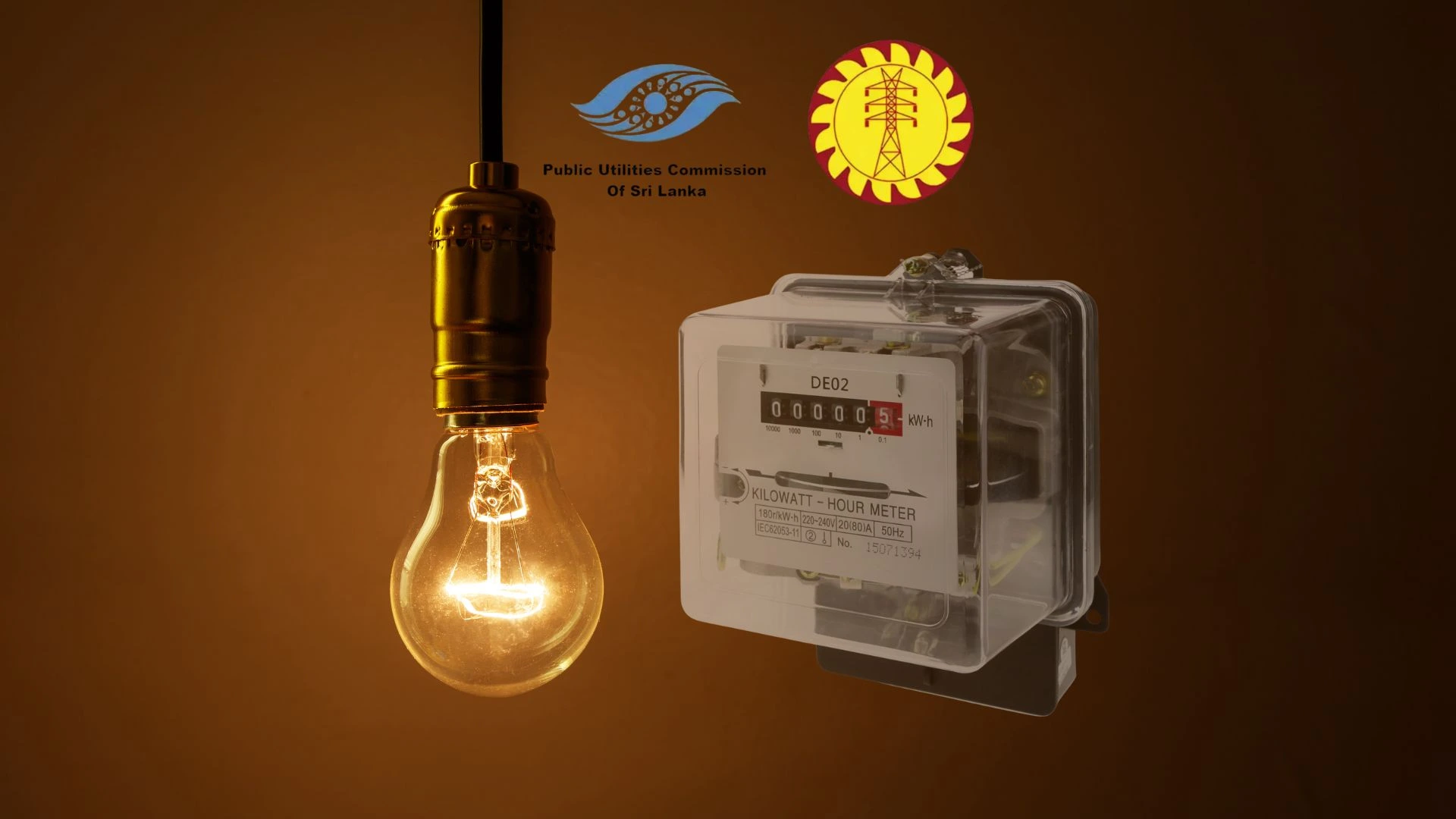
The Ceylon Electricity Board (CEB) has submitted a proposal for a 13.56% increase in electricity tariffs for the second quarter of 2026, covering the period from April 1 to June 30. The submission, dated February 13, 2026, was made to the Public Utilities Commission of Sri Lanka (PUCSL), which is now reviewing the request.
This proposed revision aims to address financial challenges faced by the CEB during the quarter, ensuring operational sustainability while meeting the country’s power demands.
Also in Explained | CEB Restructuring: A Turning Point for Sri Lanka’s Power Sector
Financial Projections Behind the Proposal
According to the CEB’s submission, the total projected cost for supplying electricity from tonnes April to June 2026 stands at Rs. 136.5 billion. At the existing tariff rates, the estimated revenue is Rs. 116.9 billion, resulting in a revenue deficit of approximately Rs. 15.8 billion.
The proposed 13.56% increase is designed to generate the additional revenue needed to bridge this gap. The adjustment reflects factors such as fuel costs, hydropower availability, and operational expenses during the period.
Impact on Consumers: Proposed Unit Rate Changes
If approved, the tariff revision would affect domestic and other consumer categories. Examples of proposed changes for domestic users include:
- 0–30 units: From Rs. 4.50 to Rs. 5.11 per unit
- 31–60 units: From Rs. 8.00 to Rs. 9.08 per unit
- 61–90 units: From Rs. 18.50 to Rs. 21.01 per unit
- 91–120 units: From Rs. 24.00 to Rs. 27.25 per unit
- 121–180 units: From Rs. 41.00 to Rs. 46.56 per unit
- Over 181 units: From Rs. 61.00 to Rs. 69.27 per unit
These adjustments maintain a progressive structure, with lower-usage households facing smaller percentage increases to protect vulnerable consumers.
The Role of PUCSL and Next Steps
The Public Utilities Commission of Sri Lanka (PUCSL) will evaluate the proposal through a transparent process, including public consultations and stakeholder input. The final decision may approve, modify, or reject the CEB’s request, balancing the utility’s financial viability with consumer affordability.
Sri Lanka’s electricity tariff revisions occur periodically to align revenues with costs, influenced by global fuel prices, weather-dependent hydropower generation, and currency fluctuations. Recent reforms have aimed to stabilise the sector while promoting efficiency and renewable energy integration.
This proposal comes as the country continues efforts to strengthen its energy infrastructure and reduce reliance on imported fuels. Consumers are encouraged to monitor official PUCSL announcements for updates on the review process.
The CEB’s submission underscores the ongoing challenges in maintaining affordable and reliable power supply. As deliberations proceed, the outcome will play a key role in shaping electricity costs for millions of households and businesses in the coming months.
Also in Explained | Proposed CEB Tariff Hike: Smart Reform or Unnecessary Shock?