
Summary of the analysis
- Estate sectors face challenges: coverage is lower due to remote locations and historical underinvestment.
- Paths to Improvement: Practical and Sustainable Solutions
- Sri Lanka’s water distribution in 2026 shows progress 60% piped coverage, over 90% improved sources but gaps in rural, estate, and quality persist.
Access to clean, reliable drinking water remains a daily concern for many Sri Lankans in 2026. While the country has made significant progress in providing improved water sources to over 94% of the population, disparities persist particularly in rural areas, estates, and dry zones. Pipe-borne water coverage stands at approximately 60% nationally, with urban areas enjoying over 90% access, while rural coverage hovers around 30-40% and estates even lower. Many households rely on tube wells, protected wells, or surface water, which can be contaminated or inconsistent during dry seasons.
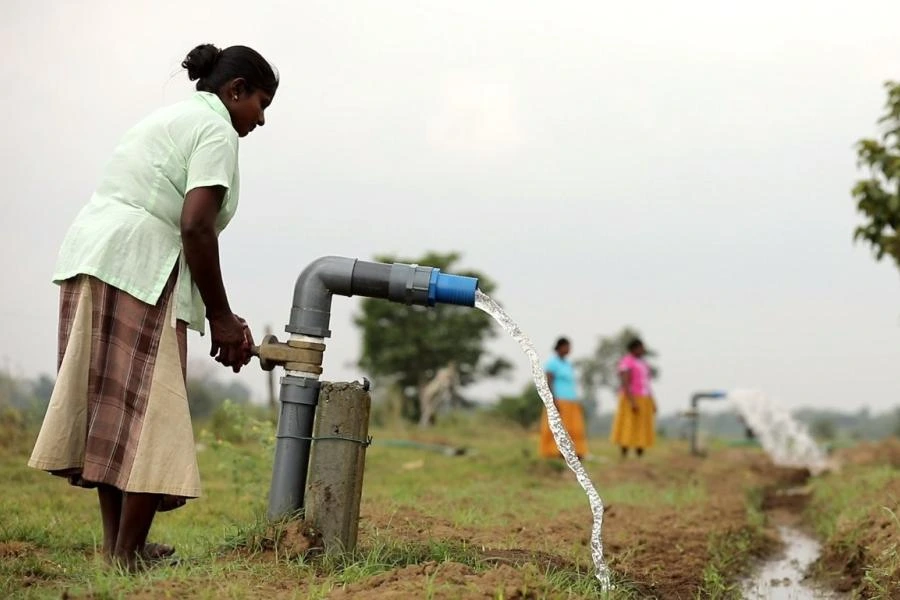
From a public perspective, these gaps affect everyday life profoundly. Families in rural villages spend hours fetching water from distant sources; parents worry about children’s health from untreated supplies; farmers face irrigation shortages impacting crops. In estate communities, limited piped connections mean shared taps or rainwater collection. This article examines verified statistics on water distribution, quality issues, public experiences, and practical ways to improve the system for better living conditions across Sri Lanka.
Also in Explained | Is Migration a Good Solution for Sri Lankans? The Hidden Struggles Behind Overseas Dreams
Current Water Supply Coverage: Progress with Persistent Gaps
The National Water Supply and Drainage Board reports steady improvements in pipe-borne water supply, reaching about 60% of households by recent years. Urban centers benefit most, with reliable connections delivering treated water directly to homes. In contrast, rural areas lag, where only around one-third have piped access many depend on community wells or individual tube wells.
Estate sectors face similar challenges: coverage is lower due to remote locations and historical underinvestment. Overall, over 90% of Sri Lankans use improved drinking water sources (piped, tube wells, protected dug wells), but “safely managed” water on-premises, available when needed, and free from contamination is less widespread in non-urban settings.
Seasonal variations exacerbate issues. Dry zones experience shortages during droughts, while heavy rains contaminate open sources. These realities mean millions manage without the convenience and safety of consistent piped supply.
Water Quality Concerns: Health Impacts on Communities
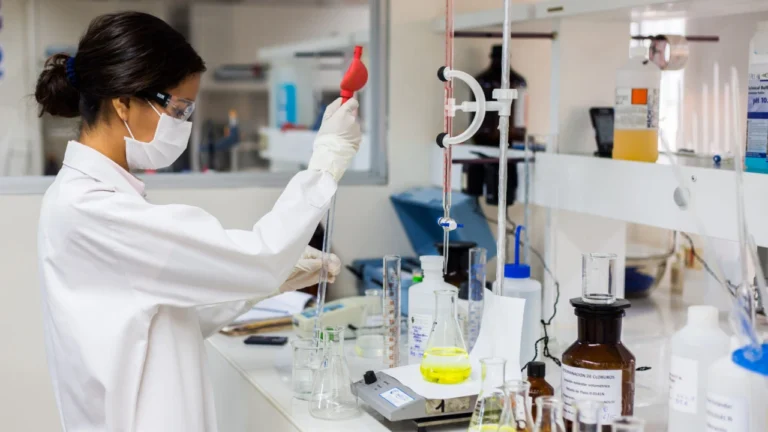
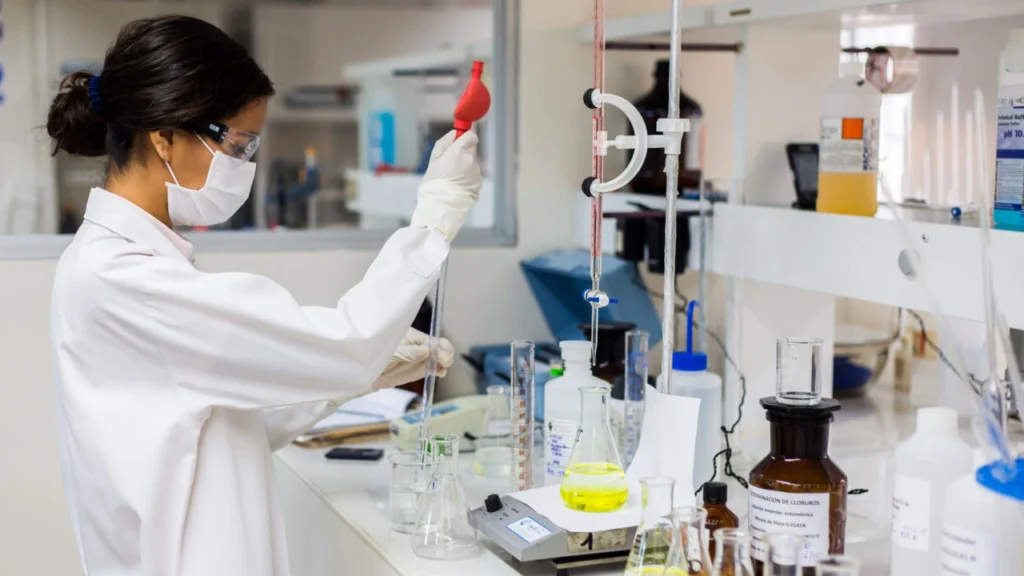
Beyond access, quality poses risks. Groundwater in certain dry zone districts shows elevated hardness, fluoride, or agrochemical residues, linked to health problems. Chronic Kidney Disease of unknown etiology (CKDu) affects thousands in these areas, with studies associating it with poor water quality though multiple factors contribute.
Bacterial contamination from unprotected sources causes diarrheal diseases, particularly among children. In estates and rural villages, shared or distant supplies increase exposure.
Public stories highlight this: mothers boiling water daily for safety; families investing in filters despite costs; communities advocating for testing. Health data shows water-related illnesses remain a burden, underscoring the need for treated, reliable distribution.
Public Perspective: Daily Struggles and Hopes
For many Sri Lankans, water access shapes routines. In rural homes, women and children often walk long distances carrying pots time lost from education or income activities. Estate workers queue at communal taps, managing limited flows for cooking and bathing.
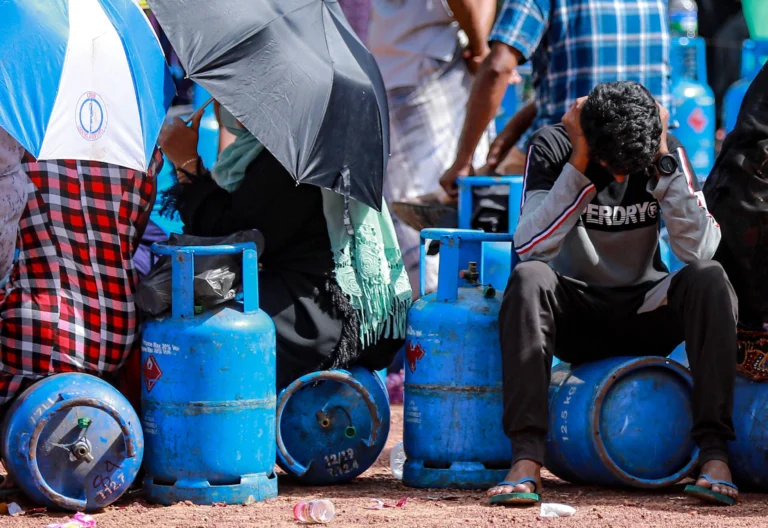
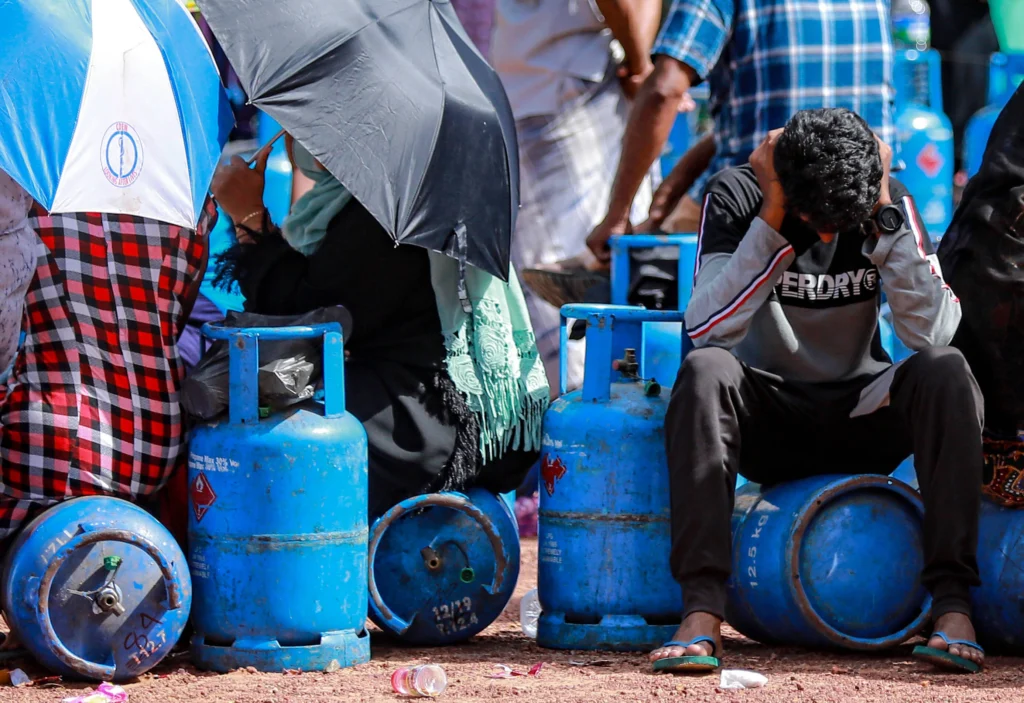
Urban-rural divides feel stark: city residents turn on taps effortlessly, while villagers ration supplies during shortages. Droughts or contamination force reliance on expensive bottled water or tankers.
Yet resilience shines communities dig wells collectively or harvest rainwater. Public calls focus on equity: “Piped water for all villages too,” or “Clean sources without daily worry.” Families prioritize health boiling, filtering to protect children.
These experiences drive demand for systemic improvements, ensuring water supports dignified living.
Paths to Improvement: Practical and Sustainable Solutions
Sri Lanka advances water supply through targeted initiatives. Government plans aim for higher piped coverage, with ongoing large-scale projects adding thousands of connections annually. Rural and estate-focused schemes prioritize underserved areas.
Key strategies include:
- Expanding pipe-borne networks through national and provincial programs.
- Promoting community-managed systems for maintenance and sustainability.
- Rainwater harvesting incentives for households and schools.
- Groundwater protection and treatment plants in CKDu-affected districts.
- Public-private partnerships for efficient distribution and quality monitoring.
Technology helps: solar-powered pumps for remote wells, low-cost filters for homes. Awareness on conservation reduces waste.
Community involvement succeeds: local committees overseeing schemes ensure accountability. Training women in management empowers participation.
For better living conditions, integrated approaches matter combining infrastructure with education on hygiene and conservation.
Toward Universal Clean Water Access
Sri Lanka’s water distribution in 2026 shows progress 60% piped coverage, over 90% improved sources but gaps in rural, estate, and quality persist. Daily efforts to secure clean water affect health, time, and opportunities.
Public commitment drives change: families adopting harvesting, communities advocating projects. Government targets for expanded networks offer promise.
As Sri Lankans manage supplies thoughtfully, collective steps investment, innovation, involvement can deliver reliable, pure drinking water nationwide. This foundation supports healthier, more productive lives for all.
Also in Explained | What is Neuralink’s Telepathy: Thought-Controlled Technology in 2026