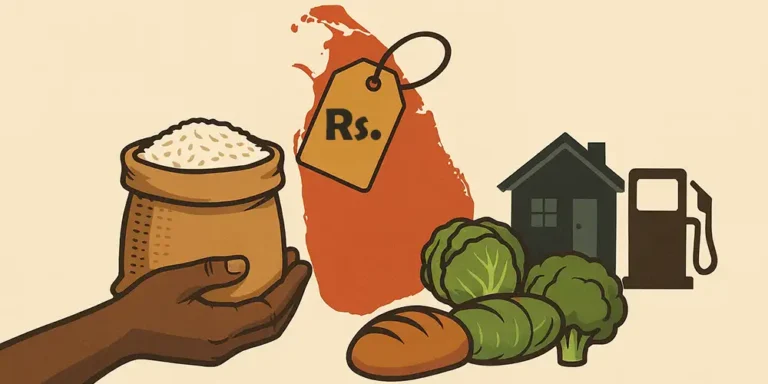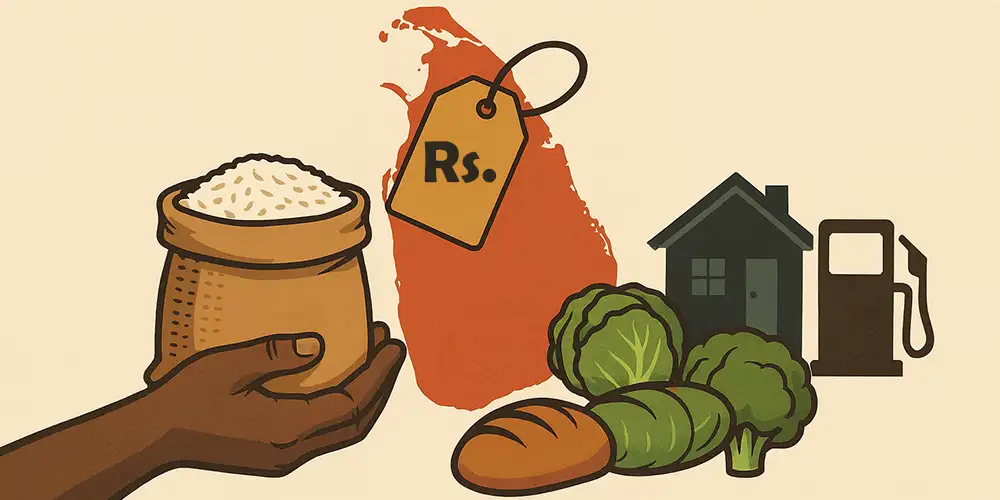

Sri Lanka’s economy ended 2025 on a note of cautious stability, with the Central Bank of Sri Lanka (CBSL) highlighting the conclusion of an eleven-month deflationary period in its Monetary Policy Report for February 2026. Inflation turned positive in August 2025 and has since followed a gradual path, remaining unchanged for three consecutive months from October to December. This shift marks a significant milestone for the public, who endured sharp price volatility during the 2022 crisis. For households, the end of deflation signals a return to more normal price behaviour, but questions remain about whether this stability will hold and what it means for daily costs.
Also in Explained | What Changes Are Planned for Sri Lanka’s Import Tariff Policy in 2026?
The End of Deflation: A Hard-Won Achievement
The report notes that Sri Lanka experienced deflation an actual decline in general price levels for eleven months before inflation became positive in August 2025. Deflation can sound beneficial, as it means falling prices, but it often reflects weak demand, delayed purchases, and potential economic stagnation. For ordinary citizens, prolonged deflation risked trapping the economy in a low-growth cycle, making debts harder to repay and discouraging spending.
The transition to positive inflation was gradual and controlled. From August onward, prices accelerated only modestly, stabilising through the end of the year. This outcome underscores the effectiveness of policy measures taken to rebuild buffers and restore fundamentals. For the public, it has meant a period of relative price calm, allowing real wages to recover and essentials to remain affordable after years of hardship.
Temporary Pressures from Cyclone Ditwah
Despite overall stability, December saw some upward pressure on food prices due to supply chain disruptions caused by Cyclone Ditwah. The cyclone, which struck late in 2025, temporarily affected harvests and distribution, illustrating how weather events can influence costs even in a low-inflation environment.
Yet, the CBSL emphasises that overall inflation remained stable. This resilience highlights progress in managing shocks unlike past crises where such events triggered spirals. For families, it meant that while certain food items may have cost more temporarily, broader price levels did not surge, protecting purchasing power during the festive season.
Gradual Path to the 5% Target
Looking ahead, inflation is projected to accelerate gradually and move towards the 5% target by the second half of 2026. This increasing trajectory is attributed to recovering demand conditions, the expected normalisation of energy and transport inflation, and relatively elevated volatile food inflation.
The 5% target represents a balanced level: low enough to preserve stability but sufficient to support growth. Core inflation excluding volatile items is anticipated to stabilise at a level consistent with the headline target. For citizens, this gradual rise suggests manageable increases in living costs, allowing time for wages, pensions, and social transfers to adjust.
Implications for Households and Public Confidence
The end of deflation and stable inflation path bring relief to households. Low inflation has eased burdens on fixed-income groups and supported poverty reduction efforts. As prices normalise gradually, it signals a healthier economy where spending and investment can flourish without fear of runaway costs.
Public confidence benefits from this predictability. The CBSL‘s transparent reporting and balanced risk assessment noting broadly neutral near- and medium-term risks reassure citizens that lessons from the past are being applied. For vulnerable communities, continued stability means essentials remain within reach, fostering hope for sustained recovery.
In summary, Sri Lanka has indeed moved past its deflationary phase through careful policy management. The gradual return to the 5% target reflects resilience, offering the public a stable foundation as the economy rebuilds.
Also in Explained | Despite Debt Assurances and Low Inflation, Why Do Many Sri Lankans Still Struggle with High Living Costs?