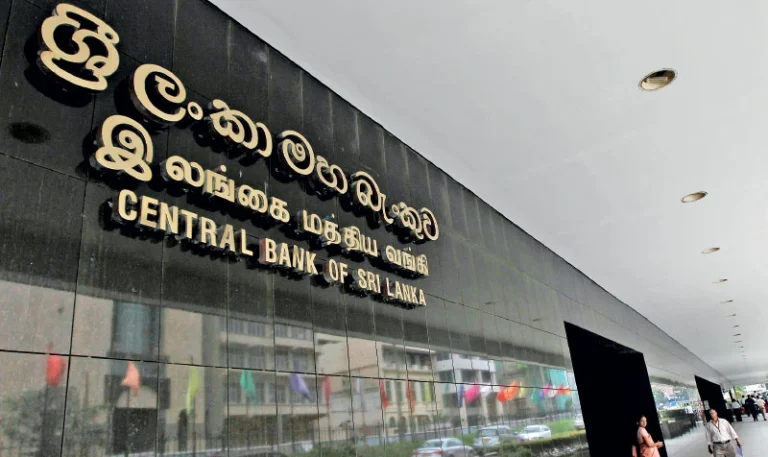

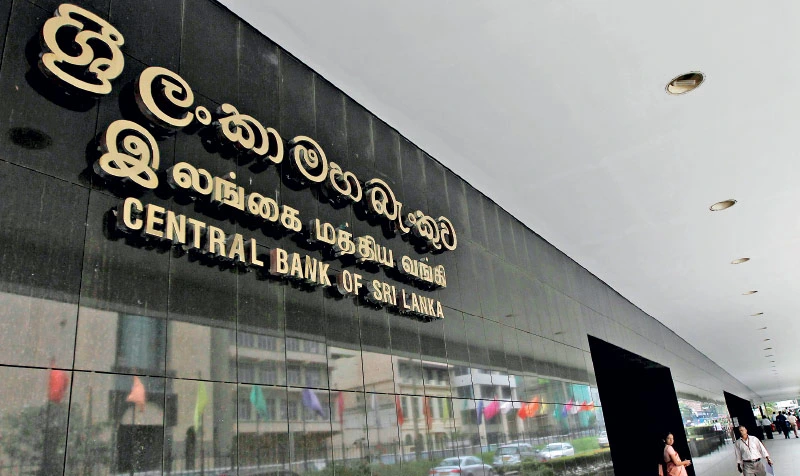
Sri Lanka’s economy demonstrated notable resilience in 2025, recording robust expansion during the first nine months despite severe shocks, according to the Central Bank of Sri Lanka’s (CBSL) Monetary Policy Report for February 2026. A slowdown followed Cyclone Ditwah’s late-2025 impact, but timely interventions and leading indicators point to a faster recovery ahead. For the public, this raises hope: is the growth momentum strong enough to deliver lasting benefits like jobs and improved living standards?
Also in Explained | Has Sri Lanka Truly Emerged from Its Deflationary Phase?
Robust Expansion in the First Nine Months
The report highlights a strong performance in the initial three quarters of 2025, driven by recovering demand and policy support. This period saw meaningful progress in structural reforms and buffer-building, contributing to macroeconomic stability.
For citizens, early-year growth translated into increased activity across sectors, supporting employment and income opportunities. Private sector credit expansion continued, reflecting improving confidence and access to finance key for small businesses and households.
Impact of Cyclone Ditwah in Sri Lanka and Recovery Expectations
Cyclone Ditwah caused a temporary slowdown, disrupting livelihoods and infrastructure. The government responded with relief measures, including a supplementary budget for 2026 to restore affected areas.
The CBSL expects timely policy interventions to generate positive spillovers, reinforcing momentum. Leading indicators suggest continued resilience, with stronger credit expansion and accommodative monetary conditions providing further support. For communities hit by the cyclone, this signals hope for quicker rebuilding and economic rebound.
Role of Accommodative Monetary Policy
The Central Bank maintained an accommodative stance throughout 2025, supported by subdued inflationary conditions. Market interest rates adjusted downwards, with improved liquidity distribution among banks.
In a low-interest environment, private sector credit flows expanded, fuelled by economic activity and vehicle imports. This easing helped sustain growth without overheating, benefiting borrowers from homebuyers to entrepreneurs while preserving saver returns.
External and Fiscal Contributions to Growth
The external sector improved, with a current account surplus for the third year. Gross official reserves rose by end-2025, aided by Central Bank purchases and multilateral inflows.
Fiscal consolidation remained revenue-based, strengthening public finances. These foundations support broader growth, reducing vulnerabilities and creating space for inclusive development.
For the public, sustainable momentum means potential for better services, wages, and opportunities. As leading indicators point to resilience, 2026 could see spillover benefits across sectors, reinforcing recovery for all citizens.
In conclusion, yes.. Sri Lanka’s growth is gaining sustainable momentum, built on resilience and supportive policies. With careful management, this can translate into tangible public gains.
Also in Explained | What Changes Are Planned for Sri Lanka’s Import Tariff Policy in 2026?