
Sri Lanka took a decisive step against single-use plastics in November 2025 by banning the free distribution of plastic shopping bags in retail outlets to encourage sustainable alternatives. Shoppers now pay for low-density polyethylene bags, a move that has already shown promising results. According to the Centre for Environmental Justice (CEJ), plastic bag usage has declined by 60-70% since the charge was introduced. This success builds on earlier bans and demonstrates that simple economic incentives can shift consumer behaviour effectively.
Yet plastic pollution remains a deeper challenge. While bags grab headlines, everyday items from toothbrushes and plates to furniture, continue to fuel the crisis. Sri Lanka generates approximately 1.6 million metric tonnes of plastic waste annually, with around 70% linked to single-use or short-lived products. Daily, the country produces about 940 metric tonnes of plastic waste, but only around 50 metric tonnes are recycled. Roughly 69% of annual plastic waste over 171,000 tonnes remains unmanaged, ending up in landfills, rivers, or the ocean. Extending the momentum from the bag charge to these broader categories could transform Sri Lanka’s environmental landscape.
Also in Explained | Can AI Accelerate Sri Lanka’s Digital Transformation?
The Hidden Plastic Burden: From Toothbrushes to Furniture
Plastic bags are visible culprits, but they represent only part of the problem. Items like plastic toothbrushes, cutlery, plates, containers, tables, and chairs dominate households and contribute significantly to long-term waste. Many of these products are designed for short use but persist in the environment for centuries.
Sri Lanka’s plastic waste crisis is compounded by limited recycling infrastructure and high import reliance for raw materials. With 70% of plastic waste tied to single-use or disposable items, everyday objects exacerbate the issue. Reducing bags is a strong start, but replacing these persistent plastics with sustainable, local alternatives could yield even greater impact, supporting both the environment and traditional craftsmanship.
Reviving Sri Lanka’s Rich Tradition of Natural Crafts
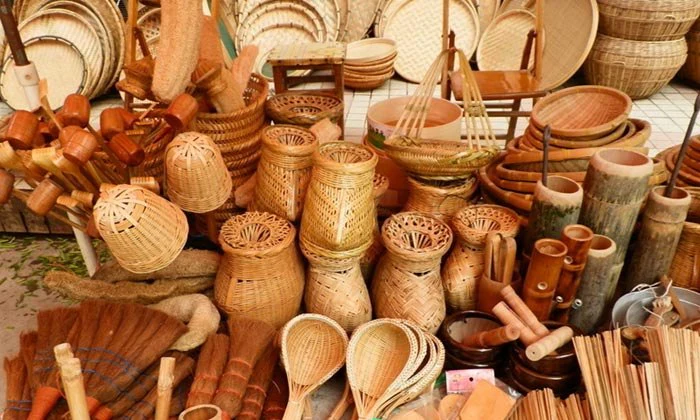
Sri Lanka has a deep heritage of crafting with abundant, renewable materials like coconut and palm leaves, bamboo, and wood. These resources have sustained communities for generations and offer ready alternatives to plastic.
Coconut palms, often called the “tree of life,” provide leaves ideal for weaving mats, baskets, trays, and roofing. Coir from husks creates durable ropes, brushes, and even furniture components. Palm leaves and bamboo support sturdy chairs, tables, and household items that are biodegradable and aesthetically unique. Artisans already produce eco-friendly brooms, decorative pieces, and utility items from these materials, blending tradition with practicality.
Promoting these handmade products would reduce plastic dependency while empowering rural artisans. Government incentives, such as subsidies for craft cooperatives, market access through eco-labels, or school and public procurement preferences could scale production. Imagine hotels, restaurants, and homes favouring bamboo furniture or coconut-leaf baskets over plastic equivalents. This shift would cut waste and preserve cultural heritage.
Ceramic Revival: A Durable Alternative to Plastic Tableware
Plastic plates, cups, and containers could easily be replaced by Sri Lanka’s traditional pottery. The island has a vibrant ceramic and terracotta industry, producing durable, heat-resistant clayware for centuries. Initiatives like the “More Clay, Less Plastic” movement and stores promoting clay products highlight pottery’s potential as a non-toxic, biodegradable option.
Local potters craft plates, bowls, pots, and storage jars that outperform plastic in longevity and safety. Unlike plastic, which can leach chemicals, ceramic is inert and reusable for generations. Expanding this sector through training, modern designs, and tourism marketing could create jobs while directly substituting plastic tableware in homes, eateries, and events.
A Path Forward: Policy, Awareness, and Community Action
The 2025 plastic bag charge proves that targeted policies work. Extending similar measures levies on other single-use plastics, bans on items like plastic cutlery, or tax breaks for sustainable alternatives could accelerate change. Pairing this with awareness campaigns showcasing natural crafts would encourage consumers to choose handmade over mass-produced plastic.
Communities, schools, and businesses can lead by example: adopting ceramic lunch sets, bamboo stationery, or coconut-leaf decor. Supporting artisan fairs and online platforms for these products would boost visibility and demand.
Sri Lanka’s natural abundance and skilled craftsmanship provide a unique advantage. By building on the bag charge success and embracing alternatives from coconut leaves to ceramics, the country can move toward a truly circular, low-plastic economy. This approach not only tackles pollution but also celebrates local ingenuity, turning everyday necessities into opportunities for sustainability and pride.
The journey beyond bags has begun. With continued commitment, Sri Lanka can lead by example, proving that tradition and innovation together offer the best defence against plastic overload.
Also in Explained | Sri Lanka’s Improved Ranking in the 2025 Corruption Perceptions Index: A Step Forward in Global Standing