

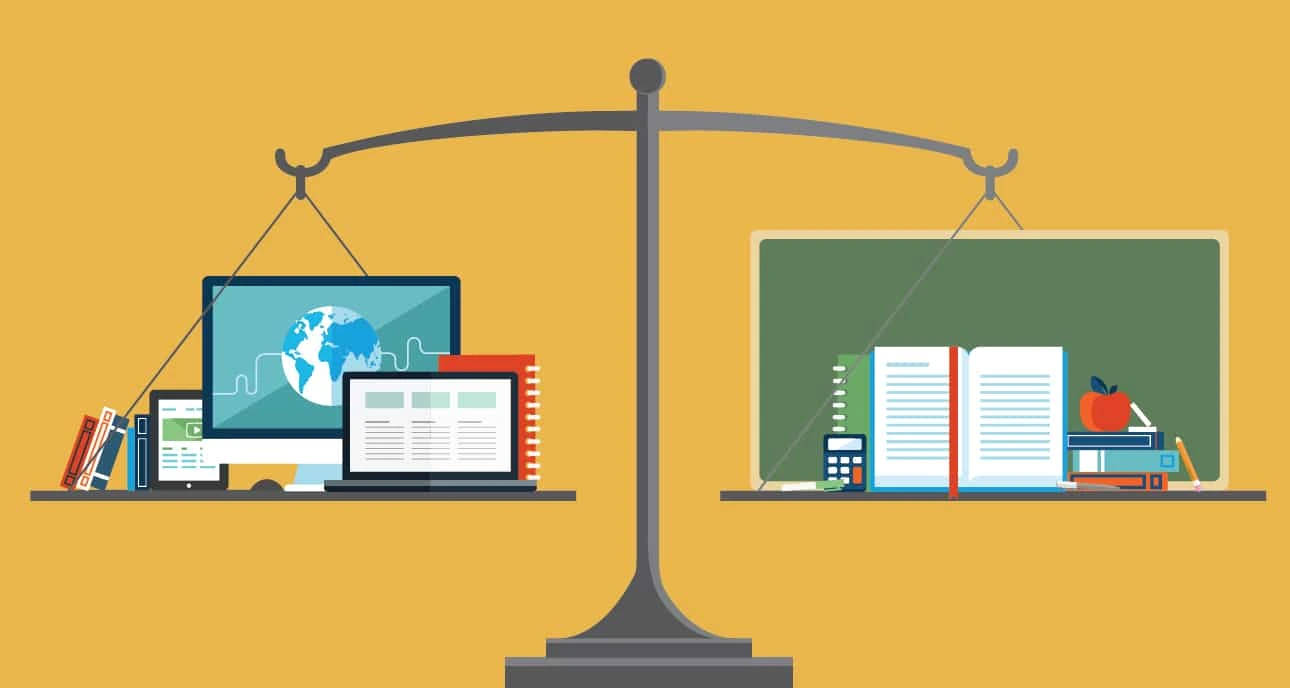
Sweden, long celebrated for its progressive education system, has undertaken a significant policy shift in recent years. Facing evidence of declining student performance linked to heavy digital device use, the country is reducing classroom screen time, prioritising physical textbooks, encouraging handwriting, and introducing stricter mobile phone restrictions. This balanced approach offers valuable insights for nations worldwide, including Sri Lanka, which is actively expanding digital education initiatives in 2026.
Also in Explained | Has Sri Lanka Truly Emerged from Its Deflationary Phase?
Sweden’s Policy Shift: Key Measures and Rationale
Since 2023, Sweden’s Ministry of Education has moved away from its earlier digital-first strategy. The government has invested substantially in physical textbooks, with allocations including 685 million SEK (approximately 60 million EUR) in 2023 and further funding in subsequent years to ensure every student has access to printed materials for core subjects.
Digital devices remain available as supplementary tools, but they are no longer the primary medium for instruction, particularly in early grades. National guidelines emphasise that reading comprehension is stronger with physical books, as screens can increase cognitive load and distractions.
Handwriting has been reinstated as a key skill, supported by research showing it enhances memory retention and fine motor development more effectively than typing. Starting in 2026, compulsory schools (up to grade nine, for students aged 15-16) will require pupils to hand in mobile phones at the beginning of the school day, retrieving them only at the end.
These changes stem from concerns over prolonged screen exposure. Studies cited by Swedish authorities, including insights from the OECD’s Programme for International Student Assessment (PISA), highlight links between excessive digital use and shorter attention spans, weaker reading comprehension, and reduced critical thinking. Sweden’s PISA scores declined markedly from the early 2000s to a low in 2012, with ongoing worries about literacy and focus prompting this evidence-based recalibration.
Proven Benefits of a Balanced Approach
The Swedish model underscores that technology is most effective when used thoughtfully. Physical books promote deeper, linear reading without the interruptions common on screens. Handwriting engages the brain differently, aiding better information processing and recall.
Limiting phones reduces distractions and supports mental wellbeing. These measures aim to rebuild foundational skills in an era where digital overload is a global concern.
Countries observing Sweden’s experience recognise that unchecked digital adoption can undermine learning outcomes, especially for younger students.
What Sri Lanka Can Learn – Balancing Digital Ambitions with Evidence
Sri Lanka is pursuing an ambitious digital transformation in education. In January 2026, the government officially launched the Education Digitalization Programme, supported by international grants, to integrate technology into classrooms. A dedicated Digital Task Force is finalising a policy framework for Cabinet approval by March 2026, emphasising safe and regulated digital tools to enhance learning.
The Prime Minister has pledged a “carefully regulated” system that maximises technology’s benefits while protecting children. This includes considerations for restricting social media access for minors amid rising concerns about online content.
However, local research highlights potential risks of excessive screen time. Studies in Sri Lanka show that over 75% of young children exceed recommended screen thresholds, with associations found between high screen use and impacts on academic performance, behaviour, sleep, and developmental outcomes.
Smartphone addiction among Advanced Level students has been linked to reduced educational results in some surveys.
Sweden’s experience serves as a timely reminder for Sri Lanka. While digital tools can expand access and modernise teaching particularly in a resource-constrained context over-reliance without safeguards may hinder core skills like reading, writing, and concentration.
A hybrid model could prove ideal: leveraging devices for interactive lessons or remote areas while prioritising physical books, handwriting practice, and phone-free classroom time. Incorporating screen time guidelines, teacher training in balanced pedagogy, and regular monitoring of learning outcomes would align with Sweden’s evidence-driven adjustments.
Sri Lanka’s ongoing policy development presents an opportunity to build these safeguards from the start, ensuring technology serves students rather than overshadowing proven traditional methods.
Sweden’s thoughtful pivot demonstrates that educational progress is not about embracing the latest tools uncritically but about choosing what best supports deep, lasting learning. As nations like Sri Lanka advance their digital agendas, adopting a balanced, evidence-informed approach combining the strengths of books, handwriting, and mindful technology use can foster stronger literacy, focus, and skills for future generations.
This Swedish lesson is clear: the most effective classrooms equip students with both digital fluency and the timeless benefits of analogue engagement.
Also in Explained | What Changes Are Planned for Sri Lanka’s Import Tariff Policy in 2026?