Sri Lanka Inflation Slows to 1.6% in February 2026: Mixed Impact on Households

Sri Lanka recorded a further slowdown in headline inflation in February 2026. The Colombo Consumer Price Index (CCPI, base 2021=100) stood at 195.3, reflecting a year-on-year increase of 1.6%, down from 2.3% in January. This is the lowest headline inflation rate observed in recent months and remains well below the Central Bank’s 5% target under […]
Oil Prices Surge After Gulf Conflicts and Strait of Hormuz Tensions: Impact on Sri Lanka’s Fuel Costs in March 2026
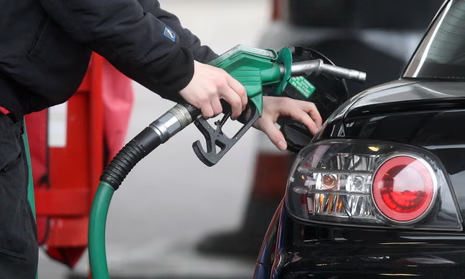
Global oil prices have risen sharply following recent military actions in the Gulf region and warnings from Iran restricting navigation through the Strait of Hormuz. The waterway, which handles about 20% of the world’s oil supply, saw tanker traffic halt or divert after radio warnings from Iran’s Revolutionary Guards instructing ships not to pass. This […]
Maternity Benefits in Sri Lanka: Legal Framework, Sectoral Differences, and Support Systems in 2026

Sri Lanka operates a dual-track maternity protection system that distinguishes between formal private-sector employment categories while providing universal health and nutritional support to all mothers. As of February 2026, the statutory framework has remained stable since the significant reforms introduced in 2018. No new amendments to core maternity leave entitlements have been enacted. The two […]
Denmark Proposes Copyright Law to Fight Against the Deepfakes

Denmark is pioneering a groundbreaking legal approach to combat AI-generated deepfakes by amending its Copyright Act to grant individuals stronger control over realistic digital imitations of their own appearance, voice, and physical characteristics. Announced in June 2025 by the Danish Ministry of Culture, the proposed amendments backed by broad cross-party support, introduce new protections under […]
Why Has IMF Managing Director Kristalina Georgieva Visited Sri Lanka in February 2026?
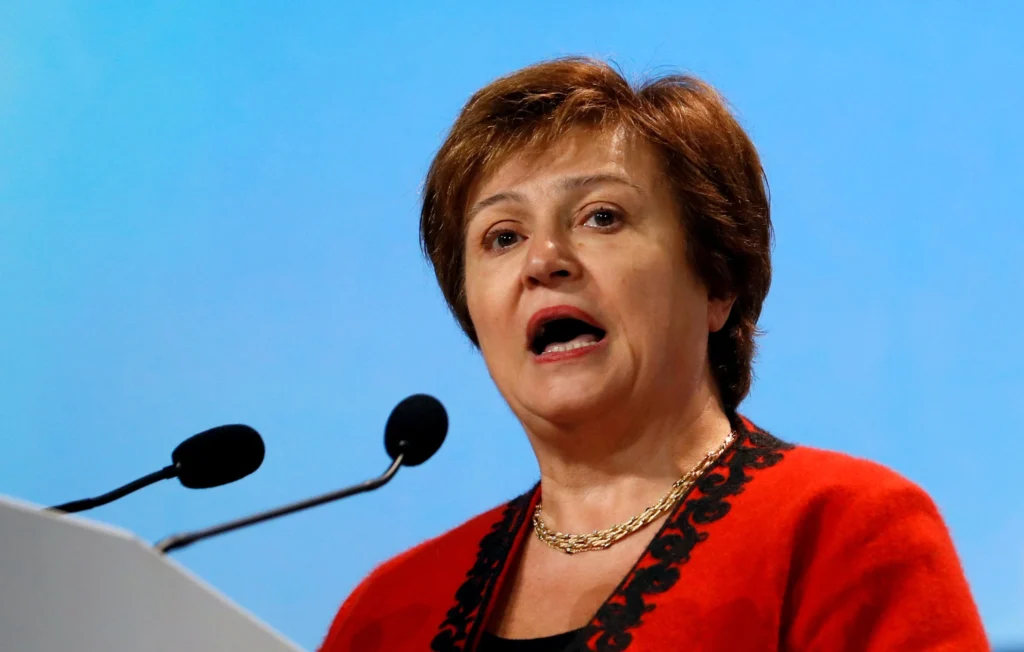
In our previous article, we explored the concept of fiscal space and its role in enabling governments to address priorities during challenging times. High-level international engagements can influence such flexibility, particularly in countries navigating recovery and external shocks. On February 16, 2026, IMF Managing Director Kristalina Georgieva arrived in Sri Lanka for a three-day official […]
What Risks Could Challenge Sri Lanka’s Economic Stability Ahead?

While Sri Lanka’s macroeconomic stability strengthened in 2025, the Central Bank of Sri Lanka (CBSL) Monetary Policy Report for February 2026 notes that both upside and downside risks to the inflation outlook remain, with the overall balance assessed as broadly neutral over the near and medium term. External headwinds from rising global trade frictions and […]
Is Sri Lanka’s Economic Growth Gaining Sustainable Momentum?
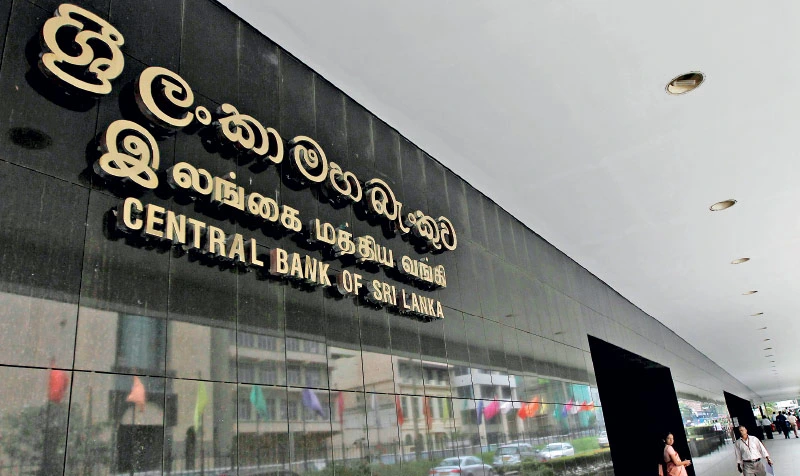
Sri Lanka’s economy demonstrated notable resilience in 2025, recording robust expansion during the first nine months despite severe shocks, according to the Central Bank of Sri Lanka’s (CBSL) Monetary Policy Report for February 2026. A slowdown followed Cyclone Ditwah’s late-2025 impact, but timely interventions and leading indicators point to a faster recovery ahead. For the […]
Has Sri Lanka Truly Emerged from Its Deflationary Phase?
Sri Lanka’s economy ended 2025 on a note of cautious stability, with the Central Bank of Sri Lanka (CBSL) highlighting the conclusion of an eleven-month deflationary period in its Monetary Policy Report for February 2026. Inflation turned positive in August 2025 and has since followed a gradual path, remaining unchanged for three consecutive months from […]
What is Fiscal Space?

In our previous article, we explained what debt is and how it is measured, highlighting its role in funding public needs while emphasising sustainability. A related concept often discussed in economic policy is fiscal space, the room a government has to manoeuvre its budget without triggering instability. For ordinary citizens; a teacher hoping for better […]
What is Debt and How is It Measured?
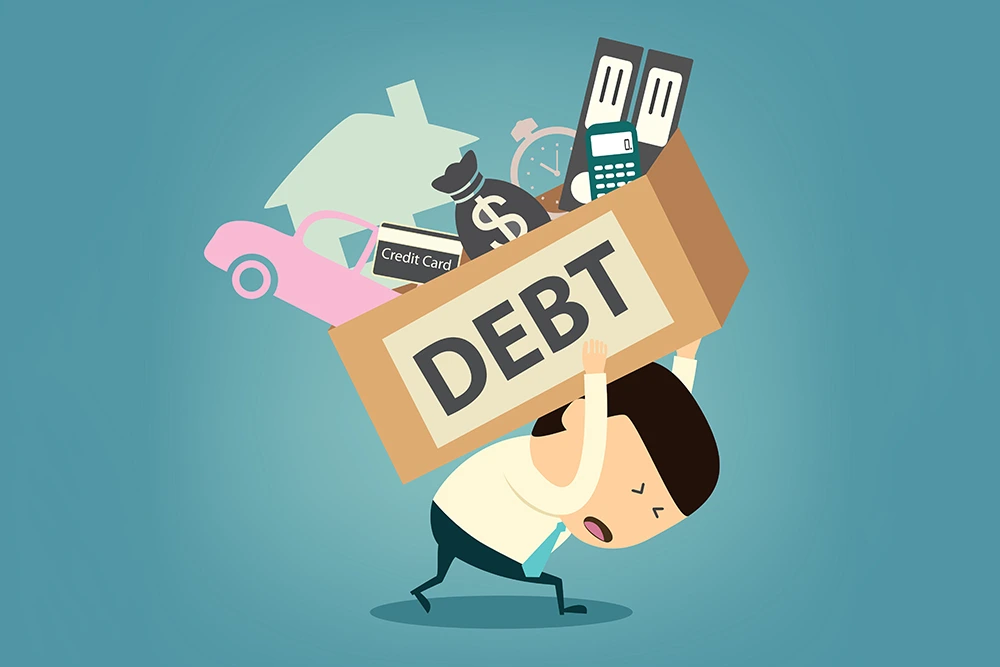
In our previous article, we examined Sri Lanka’s planned import tariff reforms for 2026, aimed at boosting competitiveness and global integration. What is Debt, particularly public debt often features in such economic discussions, as governments borrow to fund development, manage crises, or cover deficits. Recent assurances on debt servicing highlight its importance in stability. For […]