
Sri Lanka’s PMI December 2025: Strong Expansion Signals Economic Resilience Amid Seasonal Boosts and Weather Challenges

The Central Bank of Sri Lanka (CBSL) released its Purchasing Managers’ Index (PMI) for December 2025 on 16 January 2026, painting an encouraging picture of private sector activity as the country closed a year of gradual macroeconomic stabilisation. Both the Manufacturing and Services sectors recorded significant expansions, with the Services PMI surging to 67.9 and […]
Sri Lanka’s Agriculture in 2026: Navigating Export Strengths Amid Climate Challenges and Building Resilience

Sri Lanka’s agriculture sector remains a cornerstone of the national economy and cultural identity in 2026. From vast tea estates in the hills to coconut groves along the coast and paddy fields in rural heartlands, farming sustains millions while driving significant exports. Tea, rubber, and coconut products continue to earn valuable foreign exchange, supporting livelihoods […]
Public-Private Partnerships: Catalyzing Sri Lanka’s National Growth and Export Industries in 2026
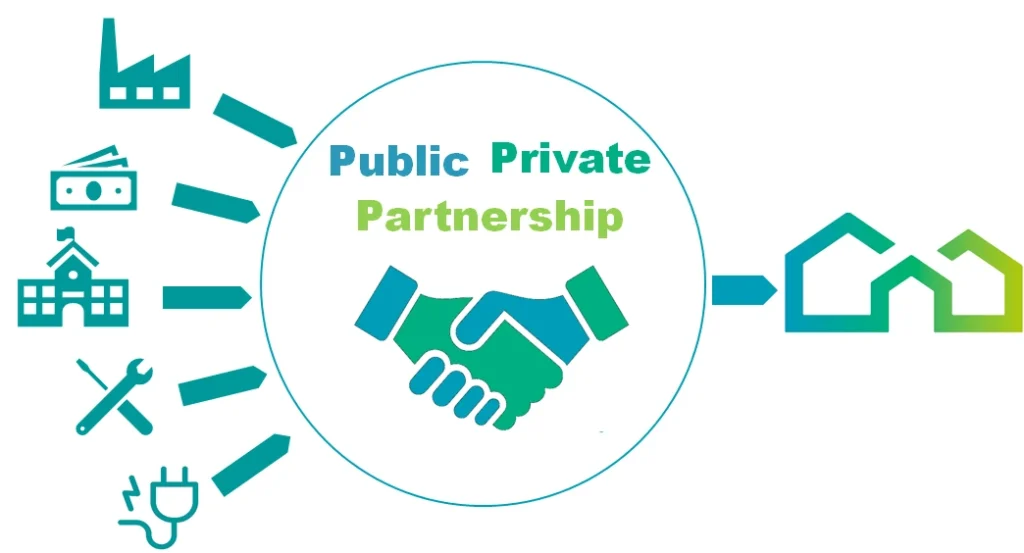
As Sri Lanka advances its economic goals in 2026, public-private partnerships (PPPs) offer a collaborative approach to enhance industries, boost exports, and create widespread opportunities. For ordinary citizens, small exporters navigating global markets, workers seeking stable roles, or families benefiting from economic activity PPPs represent a practical way to combine state oversight with private innovation. […]
Silver Prices Soar to Record Highs in Early 2026: Implications for Daily Life and Economy in Sri Lanka

In January 2026, silver prices have made global headlines by surging above $87 per ounce for the first time ever, marking a remarkable +210% increase over the past 13 months. This rapid rise, highlighted in financial commentary and AI analyses, reflects strong underlying drivers in the global market. For ordinary Sri Lankans families planning weddings, […]
Sri Lanka’s 2026 Education Reforms: Enhancing Competitiveness Through Targeted Updates and Entrepreneurial Skills

As Sri Lanka moves into 2026, proposed education reforms aim to build on the country’s strong foundational system while introducing targeted enhancements for modern needs. From an ordinary citizen’s perspective a parent preparing children for school, a teacher guiding young minds, or a young professional reflecting on their own education these changes offer opportunities to […]
Electricity Tariff Revision Proposal for Q1 2026: Potential Effects on Household Finances and Energy Use in Sri Lanka
Sri Lanka’s electricity sector enters 2026 with a proposed tariff adjustment from the Ceylon Electricity Board (CEB), submitted to the Public Utilities Commission of Sri Lanka (PUCSL) on December 24, 2025. The proposal outlines an overall 11.57% increase to address a projected revenue deficit of Rs. 13,094 million for January to March 2026. Based on […]
Gold Prices in Sri Lanka on December 23, 2025: Latest Rates Amid Global Record Rally

As of December 23, 2025, gold prices in Sri Lanka remain elevated, reflecting the ongoing global surge that has pushed the precious metal to unprecedented highs. According to reliable local sources like IdeaBeam, today’s gold rates show significant levels for both investment and jewelry purposes. This comes as international spot gold trades around $4,400+ per […]
World Bank’s $120 Million Emergency Support: What It Means for Sri Lanka’s Recovery and Public Confidence

A Timely Lifeline for a Country in Crisis On December 15, 2025, the World Bank confirmed up to USD $120 million in emergency support to Sri Lanka, repurposed from ongoing projects. This announcement comes in direct response to the Government’s request following Cyclone Ditwah, the worst natural disaster to hit the country in two decades. […]
Sri Lanka’s Lifeline Abroad: Rethinking Migration and Remittance Policy
For decades the outflow of Sri Lankan workers and the inflow of their remittances have been crucial to the country’s external stability. Today this reality merits a deeper policy overhaul: the flows are large, evolving, and carry both economic benefits and social costs. The Economic Importance Workers’ remittances into Sri Lanka remain a major source […]
Proposed CEB Tariff Hike: Smart Reform or Unnecessary Shock?

Sri Lanka’s electricity pricing debate heats up again. Here’s what the 6.8% proposal means for households, the grid, and the economy. In October 2025, the Ceylon Electricity Board (CEB) proposed a 6.8% increase in electricity tariffs for the final quarter of the year, citing rising operational costs, debt burdens, and the need for cost-reflective pricing. […]