Clean Drinking Water Access in Sri Lanka 2026: Challenges in Distribution and Paths to Improvement
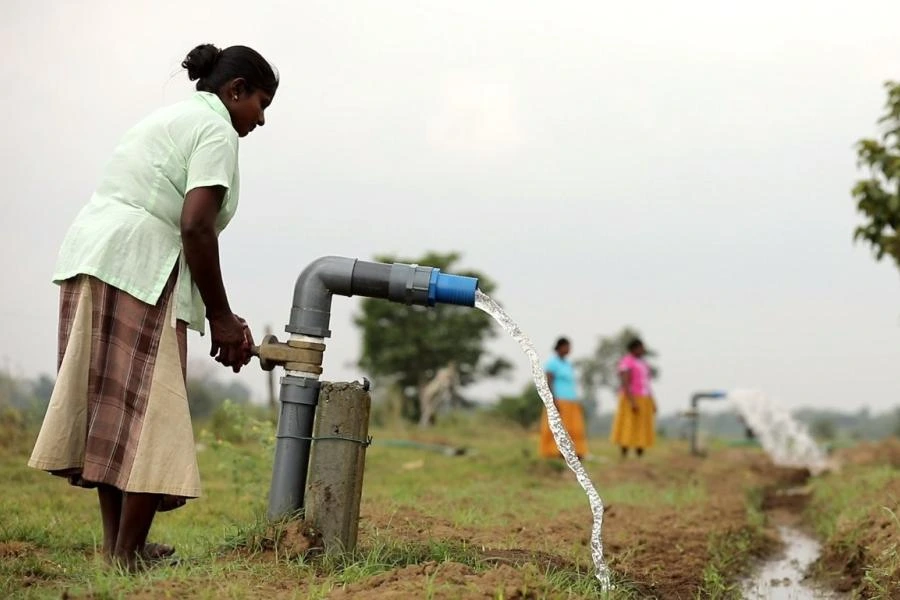
Summary of the analysis Access to clean, reliable drinking water remains a daily concern for many Sri Lankans in 2026. While the country has made significant progress in providing improved water sources to over 94% of the population, disparities persist particularly in rural areas, estates, and dry zones. Pipe-borne water coverage stands at approximately 60% […]
Is Migration a Good Solution for Sri Lankans? The Hidden Struggles Behind Overseas Dreams
Summary of the analysis Migration has long been seen as a pathway to better opportunities for many Sri Lankans. With economic challenges at home, thousands depart annually for jobs abroad, sending back vital remittances. In 2025, over 311,207 Sri Lankans left for foreign employment, contributing around $8.076 billion in remittances. Yet, recent discussions highlight a […]
Do IMF-Supported Programs Impose Austerity on Countries in Financial Crisis?
In our previous article, we examined the announced visit of IMF Managing Director Kristalina Georgieva to Sri Lanka in February 2026, highlighting its focus on program progress and solidarity amid recent natural disasters. A recurring question in public debates about IMF engagement is whether its supported programs impose austerity measures on countries facing financial difficulties. […]
China’s Solar Power Dominance in 2026: Key Lessons for Sri Lanka’s Renewable Energy Goals
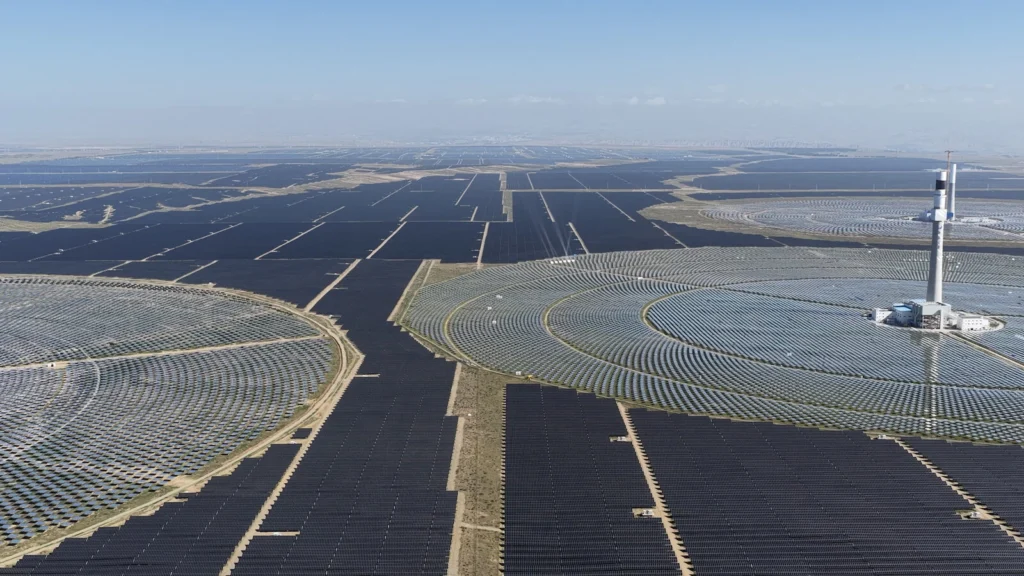
Summary of the analysis China continues to lead the world in solar energy as of 2026. In 2025, the country installed a record 315 GW of new solar capacity, bringing its total photovoltaic (PV) installed base to approximately 1.2 terawatts (TW). When combined with wind power, China’s renewable energy capacity surpassed 1.8 TW, representing over […]
Why Is IMF Managing Director Kristalina Georgieva Planning a Visit to Sri Lanka in February 2026?
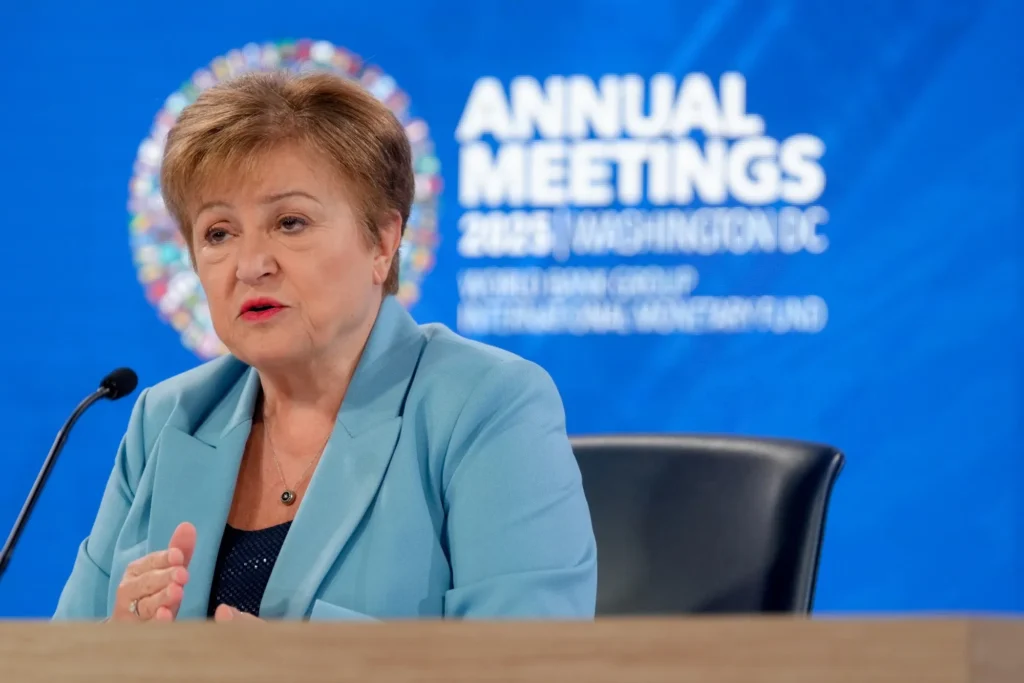
In our previous article, we detailed the IMF staff mission’s January 2026 visit to assess the economic and social impacts of Cyclone Ditwah and related flooding. That mission highlighted the authorities’ commitments to safeguarding program gains while addressing disaster needs. Building on those discussions, a higher-level engagement has been announced: IMF Managing Director Kristalina Georgieva […]
What is Neuralink’s Telepathy: Thought-Controlled Technology in 2026

Summary of the analysis In January 2026, Elon Musk highlighted a major milestone for Neuralink: 21 participants worldwide now use the company’s Telepathy brain-computer interface (BCI) implant. This device allows people with severe paralysis to control computers, communicate, and interact digitally simply by thinking. Musk congratulated the team for “helping many people who have lost […]
What Did the IMF Conclude from Its January 2026 Visit to Sri Lanka?
In our previous article, we examined Argentina’s extensive history with the IMF as an example of long-term engagements. Now, we turn to a timely development in Sri Lanka’s ongoing relationship with the Fund: the IMF staff mission that concluded on January 28, 2026, following discussions on the impact of Cyclone Ditwah. For ordinary Sri Lankans […]
Will Sri Lanka’s Inflation Reach the 5% Target by Mid-2026?

Summary of the analysis The Central Bank of Sri Lanka (CBSL) has maintained its key policy rates unchanged in the first Monetary Policy Review of 2026, announced on 28 January 2026. The Standing Deposit Facility Rate (SDFR) and Standing Lending Facility Rate (SLFR) remain at 8.25% and 9.25%, respectively. More importantly for the public, the […]
Why Has Argentina Had the Most IMF Programs in History?
In our previous article, we examined IMF conditionality the policy commitments governments make in exchange for financial support. These conditions are central to how the IMF engages with countries facing economic difficulties. Argentina provides a prominent example of repeated engagement with the IMF, having entered into more arrangements than any other member country. For ordinary […]
How Do the IMF and the World Bank Collaborate?
In our previous articles, we examined the International Monetary Fund (IMF) its origins, core functions, lending practices, and the role of conditionality in its programs. Building on that foundation, we now explore the IMF’s close partnership with its sister institution, the World Bank. Born from the same 1944 Bretton Woods Conference, these two organisations often […]