Why Is IMF Managing Director Kristalina Georgieva Planning a Visit to Sri Lanka in February 2026?
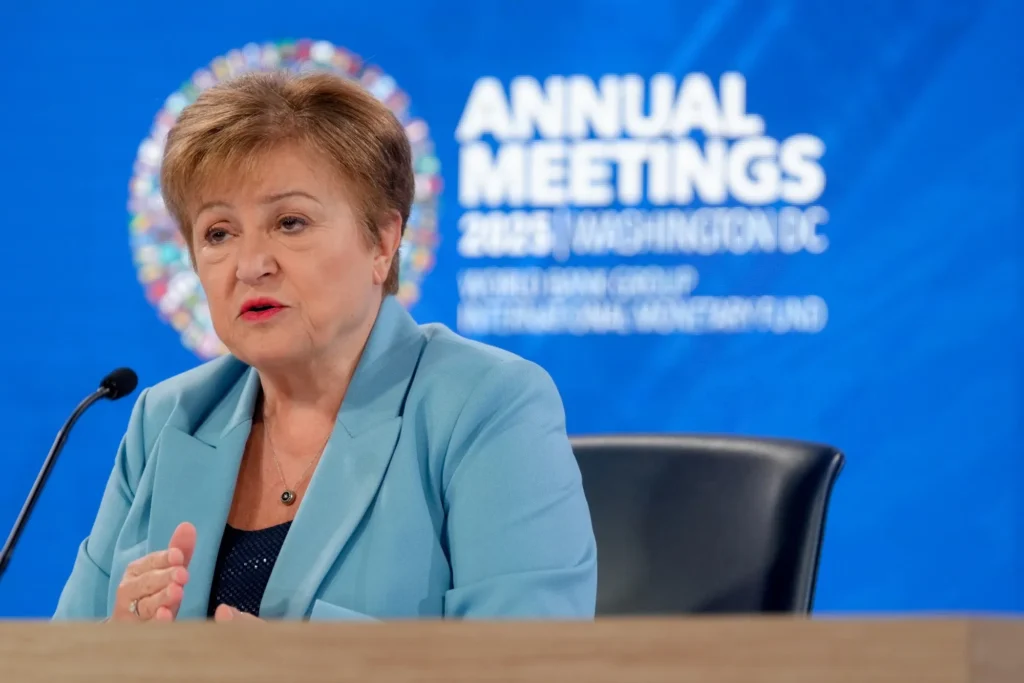
In our previous article, we detailed the IMF staff mission’s January 2026 visit to assess the economic and social impacts of Cyclone Ditwah and related flooding. That mission highlighted the authorities’ commitments to safeguarding program gains while addressing disaster needs. Building on those discussions, a higher-level engagement has been announced: IMF Managing Director Kristalina Georgieva […]
Will Sri Lanka’s Inflation Reach the 5% Target by Mid-2026?

Summary of the analysis The Central Bank of Sri Lanka (CBSL) has maintained its key policy rates unchanged in the first Monetary Policy Review of 2026, announced on 28 January 2026. The Standing Deposit Facility Rate (SDFR) and Standing Lending Facility Rate (SLFR) remain at 8.25% and 9.25%, respectively. More importantly for the public, the […]
Why Has Argentina Had the Most IMF Programs in History?
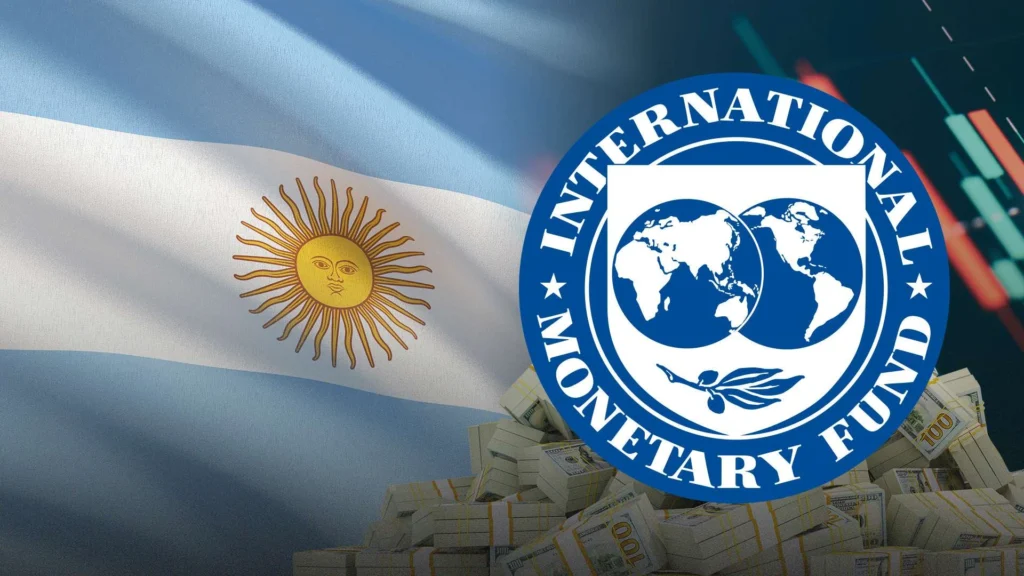
In our previous article, we examined IMF conditionality the policy commitments governments make in exchange for financial support. These conditions are central to how the IMF engages with countries facing economic difficulties. Argentina provides a prominent example of repeated engagement with the IMF, having entered into more arrangements than any other member country. For ordinary […]
What is the International Monetary Fund (IMF)?
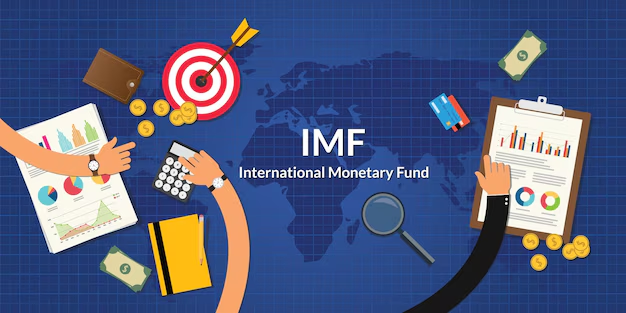
The International Monetary Fund (IMF) is a global organization that works to promote economic stability and growth worldwide. Established in 1944 at the Bretton Woods Conference, it now has 191 member countries. Headquartered in Washington, D.C., the IMF is governed by its members through a Board of Governors and an Executive Board, with a Managing […]
Pension Rights Clarification for Public Officers Appointed After 2016: Ensuring Retirement Security in Sri Lanka

For thousands of public officers recruited into government service after January 1, 2016, retirement planning has carried a layer of uncertainty. Appointment letters included the note that positions were pensionable but subject to future policy decisions on the applicable scheme. This stemmed from the 2016 Budget proposal to introduce a contributory retirement system, aimed at […]
Sri Lanka’s Minimum Wage Revision Effective January 2026: A Welcome Boost for Workers and Key Compliance Notes
As Sri Lankans navigate daily life in 2026, the recent revision to the national minimum wage brings a sense of relief to many households. For workers in shops, factories, estates, and offices often earning just enough to cover basics the increase means a little more breathing room for essentials like food, transport, and children’s education. […]
Cosmetic Products in Sri Lanka: Navigating Authenticity, Health Risks, and Responsible Choices in 2026

As a regular shopper in Colombo’s bustling markets or online stores, I’ve often reached for that affordable lipstick or face cream with a familiar brand name, thinking it’s a steal. But a nagging doubt creeps in: is this the real deal, or a clever fake? In Sri Lanka, where beauty routines blend tradition with modern […]
Sri Lanka’s Vehicle Import Tax Revenue Hits Rs. 904 Billion in 2025: High Taxes and Their Real Impact on Car Buyers
In 2025, Sri Lanka’s vehicle import tax revenue shattered expectations, reaching Rs. 904 billion against a projected Rs. 441 billion, as announced by Deputy Minister of Economic Development Nishantha Jayawardena in Parliament. For the average Sri Lankan considering a car purchase whether a young family eyeing a compact hatchback, a professional upgrading for comfort, or […]
Black Smoke on Sri Lanka’s Roads: The Daily Reality of Transportation Emissions and Air Pollution in 2026

Every morning, as I step out for the commute to the office, the familiar haze hits daily. It’s not just the tropical humidity, it’s the thick black fumes billowing from buses, lorries, and even three-wheelers. Just the other day, the tuk-tuk was stopped at a traffic light right behind a public bus. When the bus […]
Central Bank Independence: Why Lowering Rates for Fiscal Relief Risks Long-Term Economic Stability
The debate on the role of central banks in addressing fiscal pressures has resurfaced globally, particularly in economies grappling with high public debt. A common suggestion during periods of rising debt and interest burdens is for central banks to cut policy rates primarily to reduce government borrowing costs. This approach may appear pragmatic in the […]