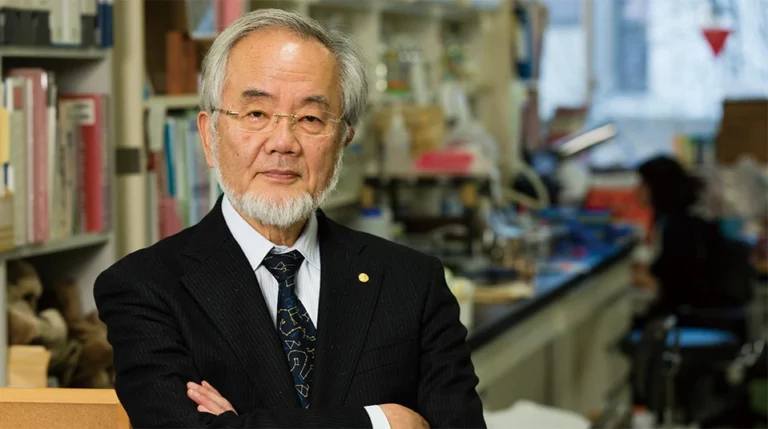

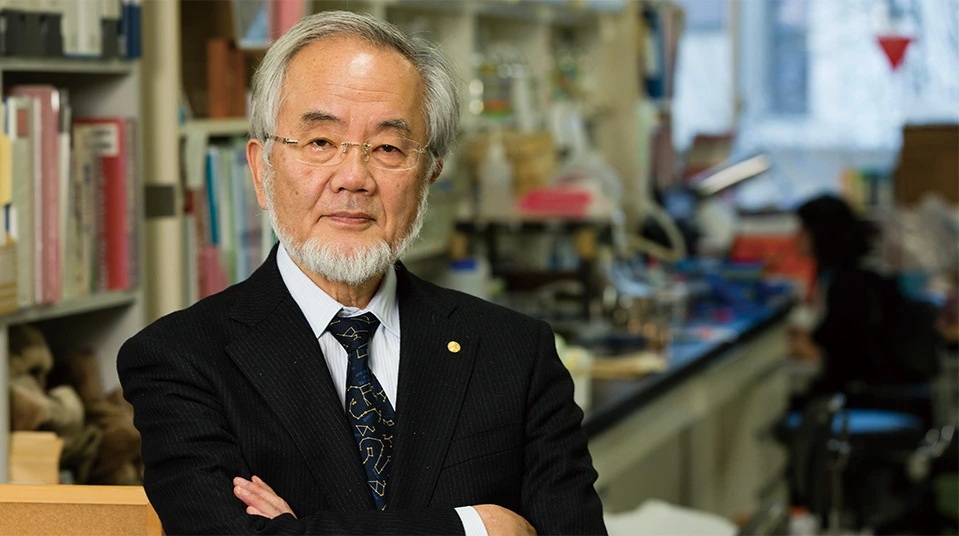
In 2016, Japanese cell biologist Yoshinori Ohsumi was awarded the Nobel Prize in Physiology or Medicine for his pioneering work on autophagy, a fundamental cellular process that allows cells to break down and recycle their own damaged or unnecessary components. Derived from the Greek words for “self-eating,” autophagy serves as the body’s internal cleanup and renewal mechanism, particularly activated during periods of nutrient deprivation, such as fasting.
Ohsumi’s groundbreaking research, conducted primarily in the 1990s using baker’s yeast (Saccharomyces cerevisiae), identified the key genes and proteins responsible for autophagy. His discoveries revealed how cells maintain health by degrading dysfunctional organelles, misfolded proteins, and invaders, then reusing the breakdown products for energy and new building blocks.
How Autophagy Works: A Step-by-Step Cellular Cleanup
Autophagy is a highly regulated process essential for cellular homeostasis. When nutrients are scarce such as during fasting or caloric restriction sensors in the cell detect low energy levels. This triggers a cascade:
- Initiation: Proteins form a double-membrane structure called an autophagosome around targeted cellular waste, including damaged mitochondria, aggregated proteins, or pathogens.
- Engulfment and Fusion: The autophagosome engulfs the material and fuses with a lysosome, a vesicle containing digestive enzymes.
- Degradation and Recycling: The contents are broken down into basic components amino acids, sugars, and fatty acids which the cell reuses for energy production or to build new structures.
Ohsumi identified over 15 essential genes (known as ATG genes) in yeast that orchestrate this process. These genes have counterparts in humans, underscoring autophagy’s evolutionary conservation across species.
Without functional autophagy, cells accumulate toxic waste, leading to impaired function and disease.
The Role of Fasting and Stress in Triggering Autophagy
One of autophagy’s most remarkable features is its activation during metabolic stress. When the body lacks external food sources, it shifts from growth mode to survival mode. Nutrient-sensing pathways, such as mTOR (inhibited during low nutrients) and AMPK (activated by energy depletion), signal the cell to initiate autophagy.
This explains why practices like intermittent fasting or prolonged fasting can enhance cellular cleanup. By providing recycled materials, autophagy helps sustain energy levels during starvation, preventing cellular collapse. Ohsumi’s work illuminated why short-term “hunger” is not merely deprivation but a powerful signal for internal repair and optimization.
Health Implications – From Disease Prevention to Longevity
Autophagy plays a critical protective role in human health:
- Neurodegenerative Diseases: Impaired autophagy contributes to the buildup of protein aggregates in conditions like Alzheimer’s, Parkinson’s, and Huntington’s diseases. Enhancing it may help clear these toxic deposits.
- Cancer: Autophagy has a dual role, suppressing tumor formation early by removing damaged cells, but potentially aiding cancer cell survival in advanced stages.
- Infections and Immunity: It eliminates intracellular pathogens, such as bacteria and viruses.
- Aging and Longevity: Efficient autophagy declines with age, contributing to cellular senescence. Strategies that boost it, through diet, exercise, or certain compounds are linked to extended healthspan in animal studies.
Ohsumi’s discoveries have fueled research into autophagy-modulating therapies, including drugs that mimic fasting’s effects for treating diseases without actual starvation.
A Timeless Insight for Modern Health from Yoshinori Ohsumi
Yoshinori Ohsumi’s Nobel recognition highlighted a process that has operated in our cells for billions of years. His humble, meticulous work in yeast models unlocked profound insights into human biology, showing that the body possesses an innate ability to heal and renew itself.
In an era of abundant food and sedentary lifestyles, autophagy reminds us of the value in periodic metabolic stress. Practices rooted in ancient traditions, such as fasting are now backed by modern science as triggers for this cellular rejuvenation.
Ohsumi’s legacy extends beyond the lab: it encourages a balanced approach to nutrition, where timing and restraint can activate the body’s natural detoxification and repair systems. As research continues, autophagy stands as one of biology’s most elegant mechanisms proof that sometimes, the best medicine comes from within.
Also in Explained | Negative Self-Talk Can Make You Sick – The Science Behind Self-Talk and Health