
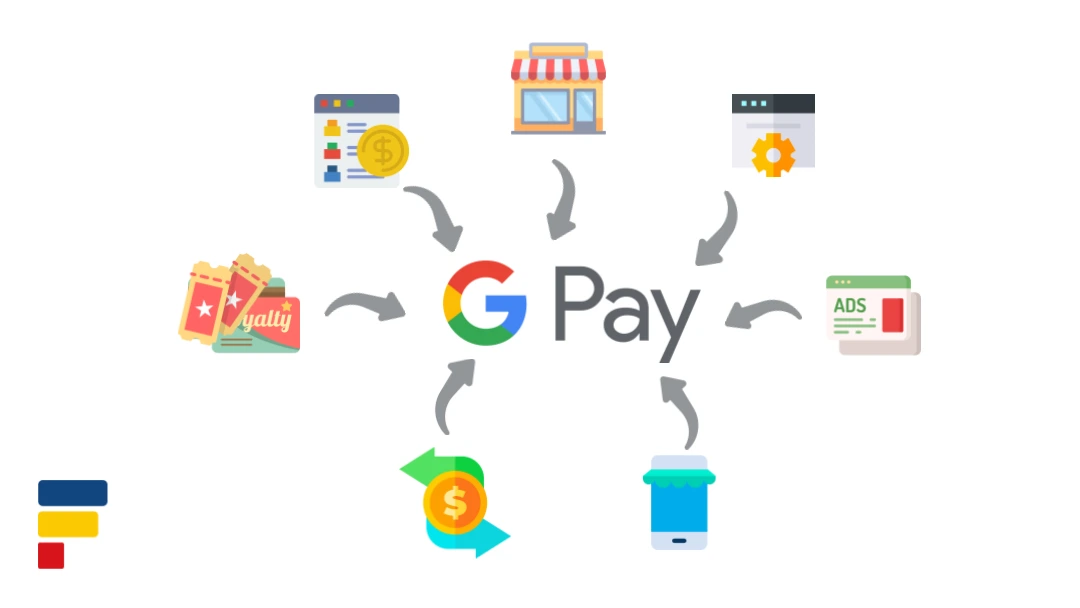
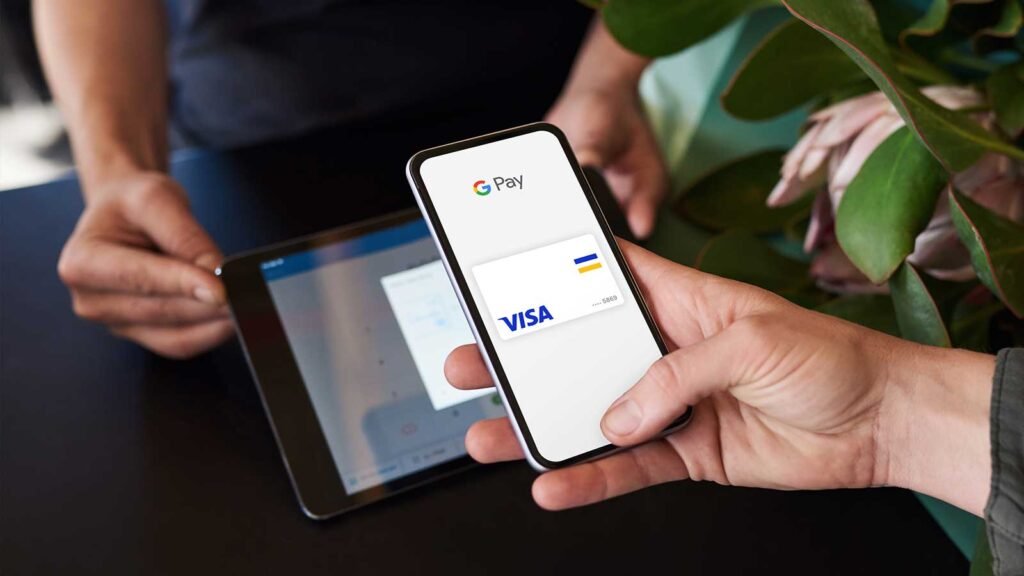
Sri Lanka’s financial landscape has taken a historic step forward. Commercial Bank of Ceylon, in partnership with Visa, has introduced Google Pay for its Visa debit and credit cardholders. For the first time, Sri Lankans can add their cards to Google Wallet and make secure, tokenised payments across contactless NFC terminals, mobile apps, and online checkouts.
While headlines frame this as a banking innovation, the deeper story is about how this changes daily life for ordinary Sri Lankans. In a country where cash has long dominated, Google Pay offers convenience, safety, and access to a new digital economy.
Everyday Convenience: From Supermarkets to Street Vendors
For the average Sri Lankan, the most immediate benefit is faster, safer transactions. Imagine standing in line at Keells or Cargills, instead of fumbling for notes or waiting for card swipes, a quick tap of your phone completes the purchase.
- Supermarkets & FMCG: Reduced queues, fewer reconciliation errors, and instant digital receipts.
- Street Vendors & Small Shops: As NFC readers become cheaper, even kade owners can accept payments without handling cash.
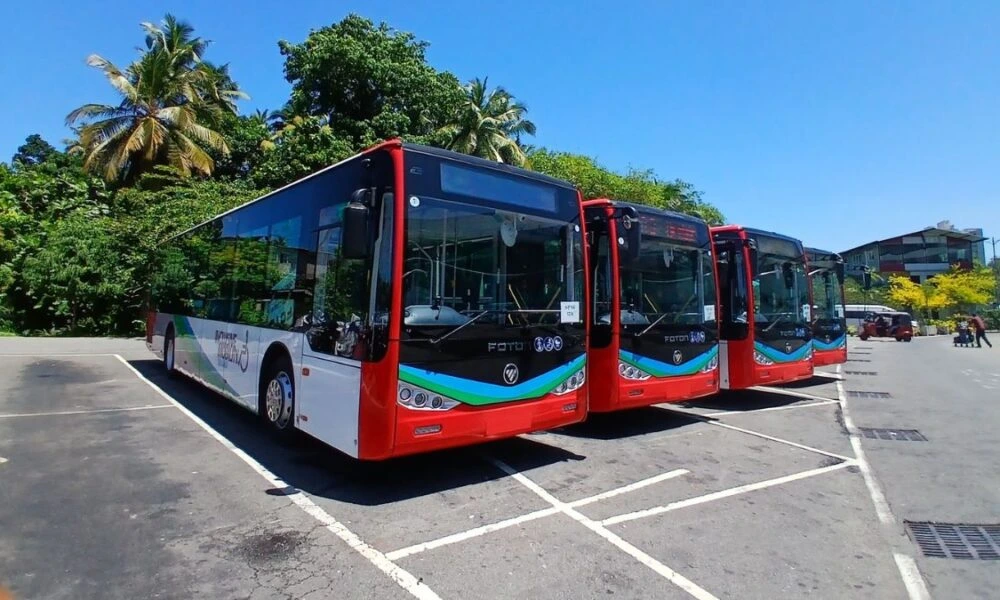
- Transport: Bus conductors and train ticket counters could eventually integrate mobile wallet acceptance, reducing the hassle of carrying coins.
This shift is not just about speed, it’s about normalising digital payments in everyday spaces, from urban malls to rural markets.
Family Life: Tuition, Utilities, and Healthcare
Sri Lankan households spend heavily on tuition fees, utility bills, and healthcare costs. Google Pay simplifies these transactions:
- Parents can pay tuition centres instantly, with digital records that reduce disputes.
- Utility bills (electricity, water, telecom) can be settled via mobile wallets, saving hours otherwise spent queuing.
- Hospitals and pharmacies can integrate Google Pay for faster billing, critical in emergencies.
For families juggling multiple expenses, the ability to manage payments through a single app reduces stress and improves financial transparency.
Financial Inclusion: A Path for the Unbanked
Sri Lanka still has a significant population outside formal banking. While Google Pay requires a Visa card, its long‑term potential lies in linking wallets to microfinance, cooperative banks, and prepaid cards.
- SMEs and daily wage earners can build transaction histories, improving access to credit.
- Women in rural areas, often excluded from formal finance, can use mobile wallets to manage remittances securely.
- Youth and students gain early exposure to digital finance, preparing them for a cashless future.
This is where the digital economy becomes inclusive rather than elitist, if policymakers and banks expand access beyond traditional cardholders.
Trust and Security: Reassuring Consumers
Sri Lankans are cautious about digital finance, especially after past scams and weak cyber protections. Google Pay’s tokenisation technology where card details are replaced with secure digital tokens, reduces fraud risk.
For the average user, this means:
- No need to share card numbers with merchants.
- Reduced risk of skimming or cloning.
- Confidence in using mobile wallets for both small and large transactions.
Trust is critical. By partnering with Visa and Commercial Bank, Google Pay enters Sri Lanka with global credibility and local assurance.
The Digital Economy Ripple Effect
Beyond convenience, Google Pay signals a structural shift in Sri Lanka’s economy:
- Cashless Momentum: Every tap reduces reliance on cash, cutting costs for banks and businesses.
- E‑Commerce Growth: One‑tap checkouts reduce cart abandonment, boosting online retail.
- Youth Adoption: Gen Z and millennials, already comfortable with mobile apps, will drive usage.
- Diaspora Linkages: Remittances could eventually integrate with wallets, simplifying transfers for families.
This ripple effect strengthens Sri Lanka’s digital ecosystem, from fintech startups to POS providers, creating jobs and innovation opportunities.
Challenges Ahead: Bridging the Digital Divide
Yet, the benefits are not automatic. Sri Lanka must address:
- Device Access: Not all citizens own NFC‑enabled smartphones. Affordable devices and shared access points are essential.
- Connectivity: Rural areas still face patchy internet. Without reliable data, mobile wallets stall.
- Awareness: Many Sri Lankans remain unfamiliar with digital wallets. Public campaigns are needed to build confidence.
- Inclusivity: Policies must ensure that Google Pay adoption does not remain limited to urban elites.
Without these safeguards, the digital economy risks widening inequalities rather than closing them.
A Human‑Centric Call to Action
For Sri Lankans, Google Pay is more than a shiny app. It’s a chance to reimagine daily life:
- Parents paying tuition without queues.
- Farmers selling produce without cash delays.
- Youth buying bus tickets with a tap.
- Families managing healthcare bills securely.
The government, banks, and civil society must ensure this technology reaches every household, every community, every province.
Sunshine in the Digital Economy
Sri Lanka’s Google Pay launch is a landmark in everyday finance. It promises faster transactions, safer payments, and a pathway to inclusion. For the average citizen, it means less time queuing, more control over household finances, and entry into a global digital economy.
The challenge now is to ensure equitable access. If Sri Lanka can bridge the digital divide, Google Pay will not just be a tool for the affluent, it will be a lifeline for families, workers, and communities across the island.


The sun has risen on Sri Lanka’s digital economy. The question is, will we let everyone bask in its light?