
A Critical Analysis of Antimicrobial Resistance and Antibiotic Misuse in Sri Lanka
Sri Lanka faces a silent but accelerating health emergency that threatens to undermine decades of medical progress. Health authorities have raised urgent alarms about the widespread and indiscriminate use of antibiotics across the island nation, warning that current practices are fueling antimicrobial resistance (AMR) at alarming rates. This isn’t a distant threat, it’s happening now, and it affects every Sri Lankan’s ability to fight common infections.
Understanding the Antibiotic Crisis in Sri Lanka
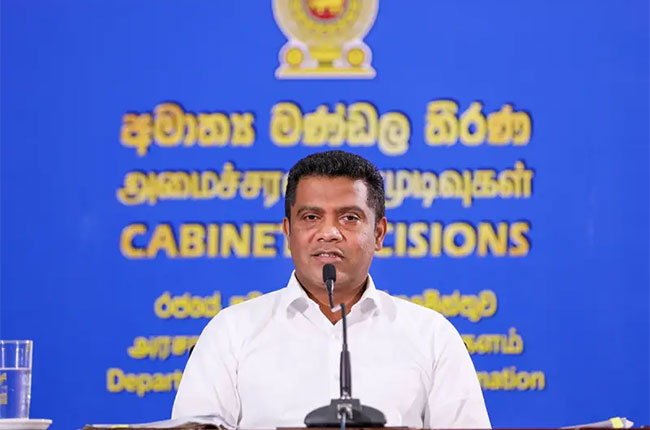
Dr. Priyantha Atapattu of the National Centre for Antimicrobial Resistance recently addressed the severity of this crisis during a media briefing in November 2025. His message was clear, “years of antibiotic misuse and overuse have created a dangerous situation where the medicines we rely on are becoming increasingly ineffective”.
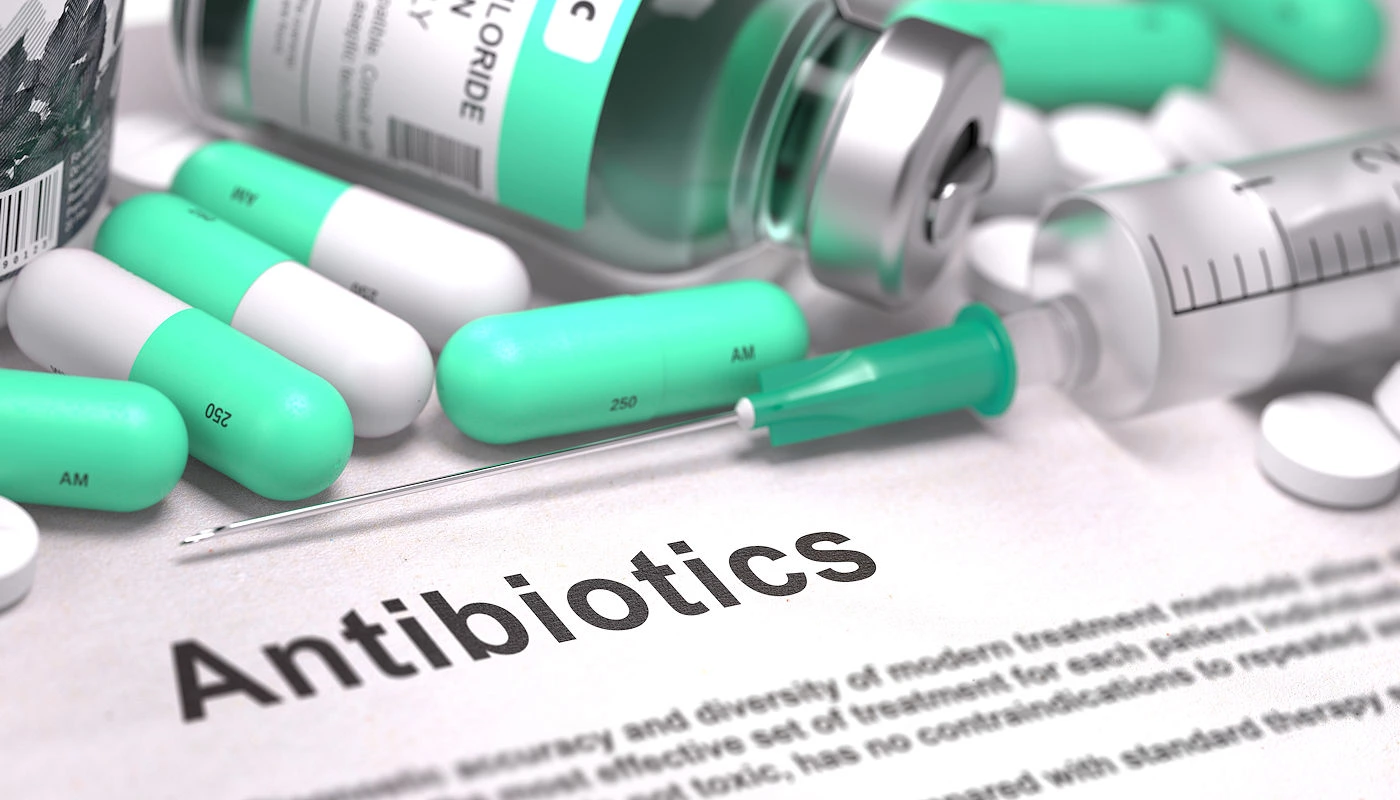
Antibiotics are specifically designed to treat infections caused by bacteria, viruses, fungi, and parasites in humans, animals, and plants. These medications include antiviral, antibacterial, antifungal, and antiparasitic drugs. However, the critical issue in Sri Lanka is that these powerful medicines are being used incorrectly, often without proper medical supervision or understanding of their appropriate applications.
The Self-Medication Culture: A National Health Threat
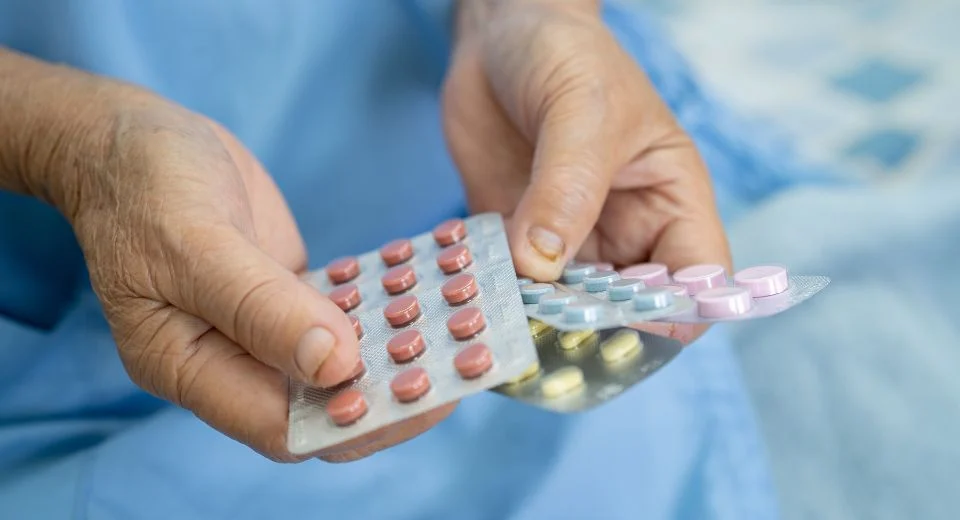
One of the most dangerous practices contributing to antimicrobial resistance in Sri Lanka is self-medication. Many Sri Lankans continue to self-medicate by taking leftover antibiotics, using insufficient doses, or consuming antibiotics for illnesses that don’t require them. This behavior stems from various factors including limited access to healthcare in rural areas, the cost of medical consultations, and a cultural tendency to share medications within families and communities.
When you take antibiotics without proper medical supervision, several problems occur. First, you may be treating the wrong condition entirely, antibiotics are useless against viral infections like the common cold or flu, yet many people take them for these illnesses. Second, incomplete courses or incorrect dosages allow bacteria to survive and adapt, teaching them how to resist the medication. Third, unnecessary antibiotic use kills beneficial bacteria in your body while creating an environment where resistant strains can flourish.
How Antimicrobial Resistance Develops and Spreads
The mechanism behind antimicrobial resistance is straightforward but devastating. When antibiotics are misused, pathogens (disease-causing organisms) evolve and develop the ability to withstand these medicines. This evolutionary process accelerates with each instance of improper use. As resistance rises, standard antibiotic doses lose their effectiveness, making common infections increasingly difficult and sometimes impossible to treat.
Research published in PLOS ONE examining antibiotic usage patterns in Sri Lanka reveals concerning trends in how these medications are prescribed and consumed across the country. The study highlights significant gaps between proper antibiotic stewardship and actual practice in Sri Lankan healthcare settings and households.
This resistance doesn’t stay confined to individual patients. Resistant bacteria spread through communities via person-to-person contact, contaminated food and water, and even through the environment. What starts as one person’s misuse can eventually affect entire populations, creating strains of “superbugs” that resist multiple antibiotics.
The Real-World Impact on Sri Lankan Families
Consider what antimicrobial resistance means for your family’s health. Infections that were once easily treated with a simple course of antibiotics now require stronger, more expensive medications with more severe side effects. In worst-case scenarios, previously treatable infections become life-threatening because no available antibiotic works effectively.
Surgical procedures become riskier when antibiotics can’t prevent or treat post-operative infections. Childbirth complications increase. Cancer treatments and organ transplants, which rely on effective antibiotics to prevent infections in immunocompromised patients, become more dangerous. The entire foundation of modern medicine depends on antibiotics working when we need them.
Why Proper Diagnosis Matters Before Taking Antibiotics
Dr. Atapattu emphasized that identifying the type of disease and its precise cause is essential before selecting the appropriate antibiotic. This requires professional medical evaluation, something that cannot be replicated through self-diagnosis or advice from pharmacists, friends, or family members.
Different bacteria respond to different antibiotics. Using the wrong antibiotic not only fails to treat your infection but also contributes to resistance. Similarly, viral infections, fungal infections, and parasitic diseases each require specific treatments. Taking antibacterial antibiotics for a viral infection does absolutely nothing except harm your body’s microbiome and contribute to resistance.
Medical professionals use various diagnostic tools to determine the exact cause of your infection, including clinical examination, laboratory tests, and sometimes bacterial cultures that identify which specific antibiotic will be most effective. This precision is impossible to achieve through self-medication.
Antibiotic Stewardship: What Every Sri Lankan Should Know
Responsible antibiotic use means taking these medications only under proper medical supervision. This includes several critical practices that every Sri Lankan should follow:
Always consult a qualified healthcare provider before taking antibiotics. Never use leftover antibiotics from previous illnesses or medications prescribed to someone else. Complete the entire prescribed course even if you feel better before finishing, stopping early leaves surviving bacteria that have begun developing resistance. Take antibiotics exactly as prescribed, at the correct times and in the correct doses. Never save antibiotics for future use or share them with others.
Additionally, understand that your doctor refusing to prescribe antibiotics isn’t being unhelpful, they’re protecting you and the broader community from contributing to resistance. Many common illnesses resolve on their own without antibiotics, and using these medications unnecessarily only causes harm.
The Broader Context of Antibiotic Use in Sri Lanka
Sri Lanka’s antibiotic consumption patterns reflect both healthcare system challenges and cultural factors. Easy availability of antibiotics without strict prescription requirements in some pharmacies facilitates misuse. Economic pressures lead some people to purchase incomplete courses of antibiotics, taking only enough to feel better rather than completely eliminating the infection. Limited health literacy about antibiotics and resistance contributes to inappropriate usage patterns.
The agricultural sector also plays a role, as antibiotics used in animal farming can contribute to environmental contamination and resistance development that affects human health. This interconnected nature of antimicrobial resistance requires awareness and action across multiple sectors of Sri Lankan society.
Taking Action: Individual Responsibility for Collective Health
Every Sri Lankan has a role to play in combating antimicrobial resistance. Your individual choices about antibiotic use directly impact your family’s health and the effectiveness of these medicines for future generations. The urgency of this situation cannot be overstated the time to change behavior is now, before common infections become untreatable.
Educate yourself and your family about proper antibiotic use. Resist the temptation to self-medicate or pressure doctors into prescribing antibiotics when they’re not needed. Dispose of unused antibiotics properly rather than saving them. Support community education initiatives about antimicrobial resistance and antibiotic stewardship.
The antibiotic crisis in Sri Lanka is serious, but it’s not insurmountable. Through informed decision-making, responsible medication use, and proper medical consultation, Sri Lankans can help preserve the effectiveness of these life-saving medicines.


The health of our nation depends on understanding that antibiotics are precious resources that must be protected through careful, appropriate use. Your choices today determine whether these medicines will work when your children and grandchildren need them tomorrow. Check ceylonpublicaffairs.com for more analysis that prioritizes ordinary citizens’ perspectives.