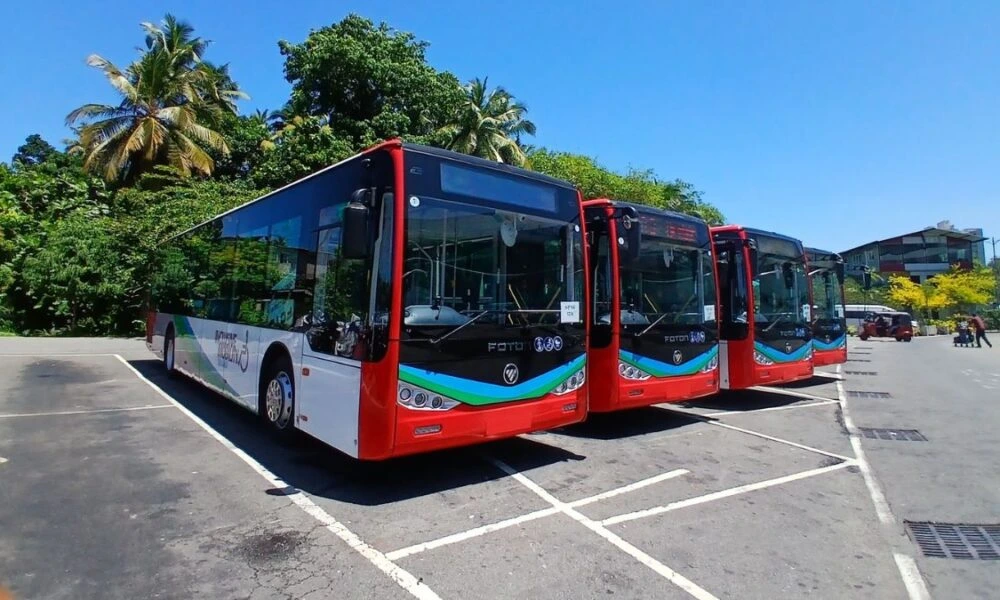

Sri Lanka officially launched its pilot project to enable bus fare payments via bank cards today, November 24, 2025. This marks a major step toward building a cashless public transport system and integrating everyday travel into the country’s growing digital economy. The initiative, led by the Ministry of Transport and Highways, the Ministry of Technology, and the Central Bank, kicked off at the Makumbura Multimodal Transport Center, with selected routes including Colombo, Galle, Matara, and Badulla.
But while the move is promising, it raises important questions: Will this system truly help the average Sri Lankan commuter? Can bank cards replace travel cards in crowded buses? And what challenges must be solved before this becomes a nationwide success?
Let’s break it down.
What’s Changing: Bank Cards on Buses
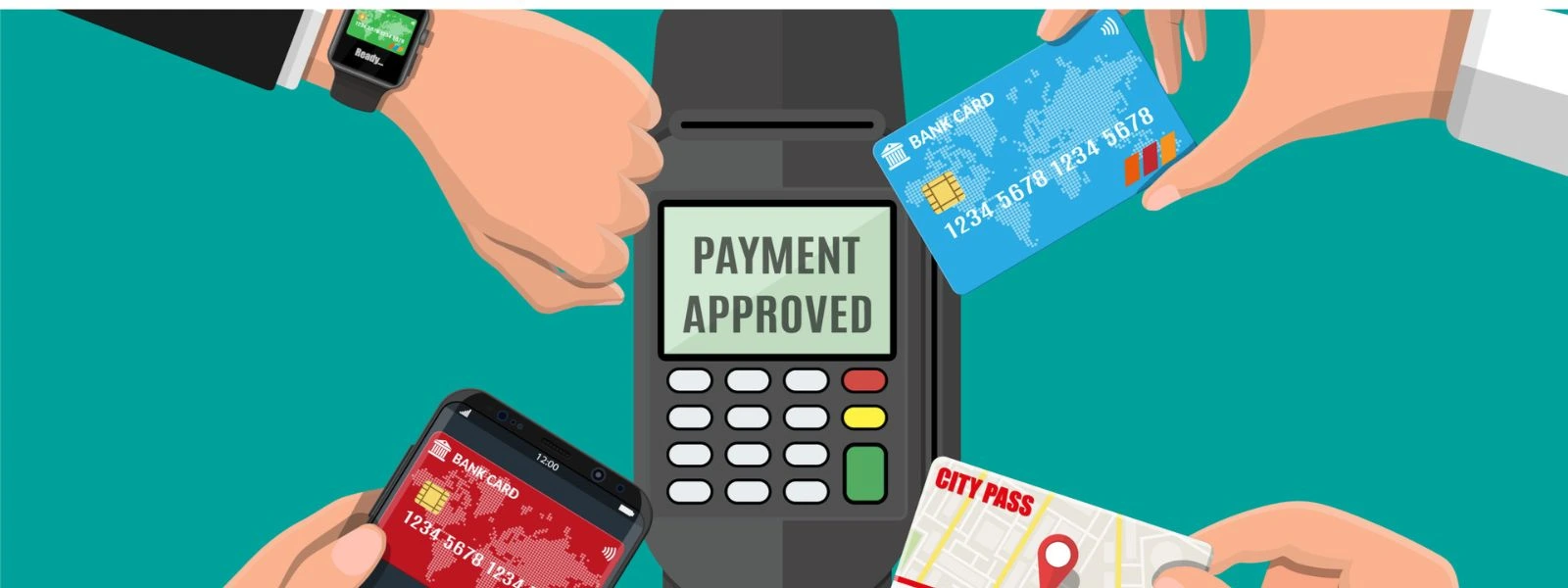
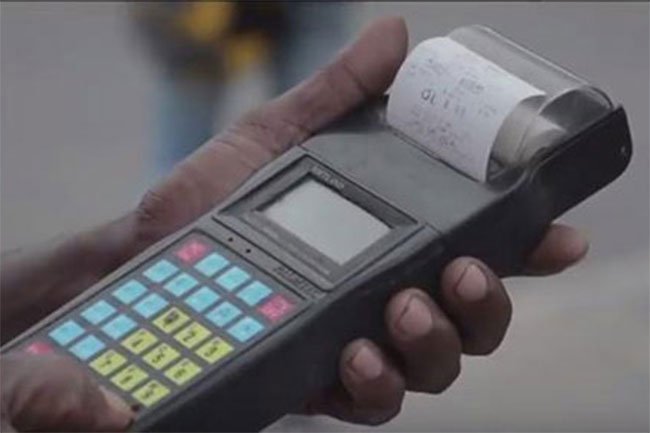
Starting today, passengers on selected inter-provincial routes can pay their bus fares using Visa or Mastercard debit and credit cards. The system uses contactless card readers installed inside buses, allowing passengers to tap and pay without cash. This is part of a broader push to modernise transport payments and reduce reliance on physical currency.
Officials say the system will improve revenue tracking for operators, reduce fare fraud, and make travel more convenient for passengers. Leading state and private banks have expressed support, and the government plans to expand the system nationwide in phases.
Why This Matters for Sri Lanka’s Digital Economy
This pilot is more than a transport upgrade, it’s a signal that Sri Lanka is ready to digitise everyday life. By linking public transport to formal banking systems, the country moves closer to:
- Reducing cash dependency
- Improving financial transparency
- Encouraging digital wallet and card usage
- Creating data trails for better planning and subsidies
For commuters, it means faster boarding, less need to carry change, and potential integration with other services like train tickets, mobile top-ups, or loyalty programs.
The Big Challenges: What Needs Fixing First
Despite the excitement, several real-world problems could slow down adoption, especially for average Sri Lankans who rely on buses daily.
- Safety and Privacy in Crowded Buses
Sri Lankan buses are often packed, especially during peak hours. Pulling out a bank card in such tight spaces can be risky. There’s a higher chance of theft, card damage, or accidental exposure of card numbers. Unlike travel cards, bank cards carry sensitive financial information.
Solution: Introduce dedicated travel wallets or prepaid cards that link to bank accounts but don’t expose full card details. These can be tapped safely and replaced easily if lost.
- Foreign Transaction Fees
Most bank cards in Sri Lanka operate on international networks like Visa and Mastercard. This means every tap sends a small fee overseas. Over time, this adds up especially for frequent commuters.
Solution: Develop a local payment rail (like LankaPay) for transport transactions, keeping fees within the country and reducing foreign exchange leakage.
- Infrastructure Load on Banks
If thousands of commuters start using bank cards daily, banks will need to scale up their systems to handle the volume. This includes fraud detection, transaction processing, and customer support.
Solution: Phase the rollout carefully and ensure banks upgrade their backend systems before expanding to high-density routes.
- No Room for Subsidies or Season Tickets
Travel cards like Sahasara allow student discounts, elderly concessions, and monthly passes. Bank cards don’t support these features directly. Without a way to apply subsidies, vulnerable groups may end up paying more.
Solution: Build a transport wallet layer that can apply discounts based on eligibility, even if the payment is made via bank card.
What Commuters Can Expect Today
If you’re travelling on a pilot route today, here’s what to expect:
- Card readers installed near the driver or entrance
- Tap your Visa/Mastercard debit or credit card to pay
- No need for cash or coins
- Receipts may be digital or printed depending on the bus operator
Officials say the system will be monitored closely, and feedback from passengers will help shape future phases.
Final Thoughts: A Step Forward, But Not Yet a Leap
Sri Lanka’s move to enable bank card payments on buses is a bold and welcome step toward a cashless future. It aligns with global trends and opens doors to better planning, cleaner accounting, and faster travel.
But for this to truly benefit the average Sri Lankan, the system must be safe, inclusive, and subsidy-friendly. Travel is not just a transaction, it’s a daily necessity. And digital upgrades must reflect the realities of crowded buses, diverse passengers, and local needs.
The pilot project is a start. Now it’s time to listen to commuters, fix the gaps, and build a transport payment system that works for everyone from students in Matara to office workers in Colombo.

Follow Ceylon Public Affairs for grounded analysis on transport, technology, and public service reform in Sri Lanka.