
Sri Lanka’s festive season, spanning Christmas, New Year, and year‑end gatherings is a time when families and communities come together to celebrate. It is a season of joy, generosity, and cultural unity. Yet in 2025, the rising cost of living has reshaped how average households approach these celebrations. For many, the season is no longer just about tradition and festivity; it is about balancing budgets, making trade‑offs, and finding creative ways to preserve joy amid economic strain.
This analysis explores the public perspective on how rising prices are affecting seasonal celebrations, the coping strategies families are adopting, and the broader implications for Sri Lanka’s economy
The Economic Backdrop: Rising Prices in 2025
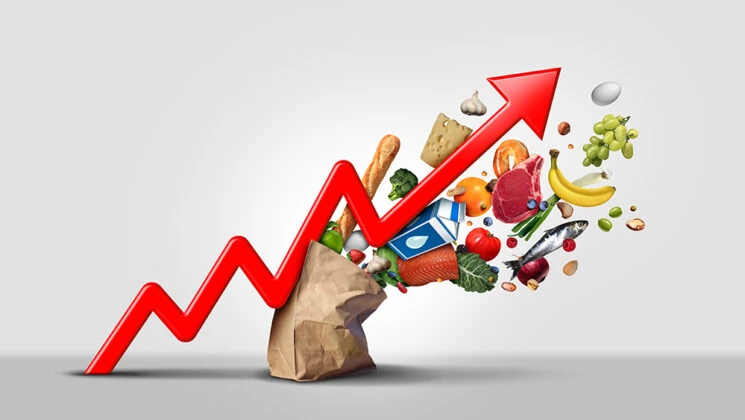
Sri Lanka’s economy has shown signs of stabilization after years of crisis, but consumer prices remain high. Inflation has slowed compared to 2022–23, yet absolute price levels have not returned to pre‑crisis norms. For households, this means the cost of celebrating the season is significantly higher than in previous years.
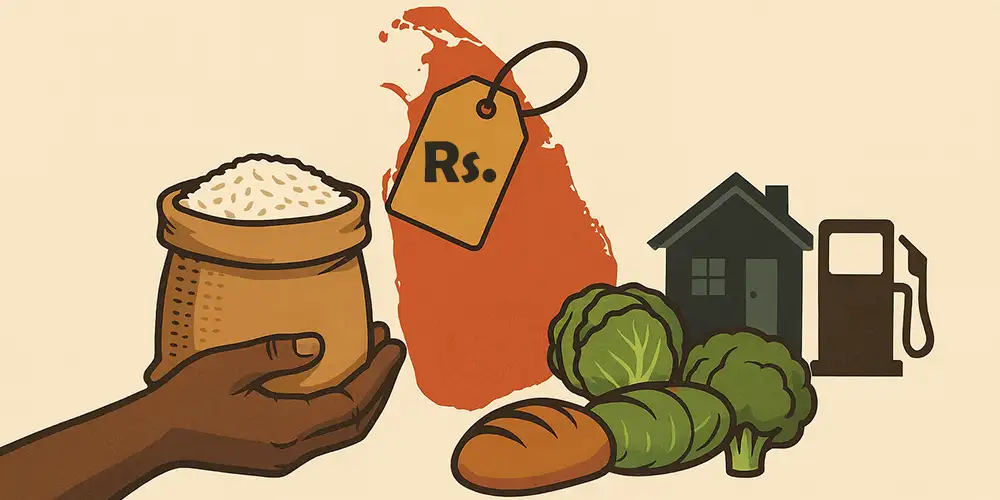
- Food staples: Chicken averages Rs. 1,500–1,700 per kilogram, while milk powder remains above Rs. 1,100 for a 400g pack.
- Festive ingredients: Flour, butter, and dried fruits for cakes and sweets cost Rs. 3,000–5,000 per batch, limiting traditional baking.
- Imported goods: Chocolates, toys, and electronics carry premiums due to currency depreciation and import restrictions.
- Utilities and fuel: Elevated electricity and transport costs reduce disposable income available for seasonal spending.
For a family of four, even a modest celebration involving food, gifts, and decorations can exceed Rs. 30,000-40,000. This figure is manageable for upper‑income households but represents a significant burden for wage earners, pensioners, and rural families.
Public Perspective: Everyday Choices
From the viewpoint of average Sri Lankans, rising prices translate into difficult trade‑offs. Families must decide whether to prioritize food, gifts, or travel, often sacrificing one to afford the other.
- Urban households: Middle‑income families in Colombo report cutting back on imported goods, focusing instead on essentials and local substitutes.
- Rural households: Farmers and daily wage earners face sharper constraints, often relying on community events rather than individual celebrations.
- Youth and students: Younger demographics are turning to second‑hand markets and digital gifting, reflecting both creativity and necessity.
The public sentiment is clear: while the desire to celebrate remains strong, the economic reality forces restraint.
Coping Strategies: Adaptation in Practice
Sri Lankans are responding with resilience, adopting strategies that reflect both economic necessity and cultural ingenuity.
- Budgeting and Prioritization: Families set strict spending limits, focusing on food and children’s needs while cutting luxury purchases.
- Local Alternatives: Domestic producers benefit as consumers shift to Sri Lankan‑made toys, sweets, and decorations.
- Second‑Hand and DIY: Online marketplaces and community exchanges provide affordable options, while homemade décor and gifts reduce costs.
- Community Sharing: Neighborhoods pool resources for shared meals and events, spreading costs across households.
- Diaspora Support: Remittances and digital vouchers from abroad play a critical role in sustaining festive spending.
Retail and Market Response
Retailers are adjusting to consumer caution with targeted strategies:
- Discount bundles on essentials.
- Installment plans for electronics and clothing.
- Promotions emphasizing affordability and local branding.
Yet overall spending remains subdued. Foot traffic in malls is lower than pre‑crisis years, while e‑commerce platforms see stronger engagement, particularly among younger consumers who value convenience and price comparison.
Broader Economic Signals
The rise in prices during the festive season offers important insights into Sri Lanka’s economic trajectory:
- Consumer Confidence: Households are celebrating cautiously, reflecting fragile confidence that could dampen Q4 retail performance.
- Inequality: Wealthier families continue to spend freely, while lower‑income households rely on charity and community support, widening the festive divide.
- Local Industry Opportunity: The shift toward domestic goods presents growth potential for SMEs, provided they receive access to credit and marketing support.
Policy Considerations
To ease the burden on average households, policymakers should consider:
- Expanding seasonal subsidies for essential food items.
- Supporting community‑based events through municipal grants.
- Encouraging banks to offer low‑interest festive loans.
- Promoting local manufacturing through tax incentives and branding campaigns.
Such measures would not only reduce seasonal strain but also stimulate domestic demand and strengthen social cohesion.
Celebration Amid Constraint
Sri Lanka’s festive season in 2025 is marked by resilience rather than abundance. Families across the country are finding ways to celebrate despite rising prices, relying on budgeting, local alternatives, and community solidarity. The economic challenges are real, but so is the determination to preserve joy and connection.
For policymakers, retailers, and civil society, the lesson is clear: support the public’s resilience with inclusive strategies and affordable options. Because in Sri Lanka, even in hard times, the spirit of the season endures.


Sources: Department of Census and Statistics, Central Bank of Sri Lanka, Retail Association of Sri Lanka, Field interviews November 2025
Follow Ceylon Public Affairs for grounded insights on economy, society, and public life in Sri Lanka.