

Sri Lanka’s economic recovery in 2025 is marked by cautious optimism. After years of volatility, the country is seeing signs of growth, supported by exports, tourism, and remittances. Yet one area drawing public attention is the rising demand for vehicle imports and the associated Letters of Credit (LCs), which have implications for exchange rate stability, credit growth, and household affordability.
This analysis explores how the public perceives the impact of vehicle import LCs on the broader economy, the Central Bank’s position on exchange rate movements, and what this means for average Sri Lankan consumers navigating a recovering but still fragile economic landscape.
Understanding Letters of Credit and Import Demand
Letters of Credit (LCs) are financial instruments used to facilitate international trade. In the context of vehicle imports, LCs allow Sri Lankan buyers whether individuals or businesses to purchase vehicles from abroad with payment guarantees provided by local banks.
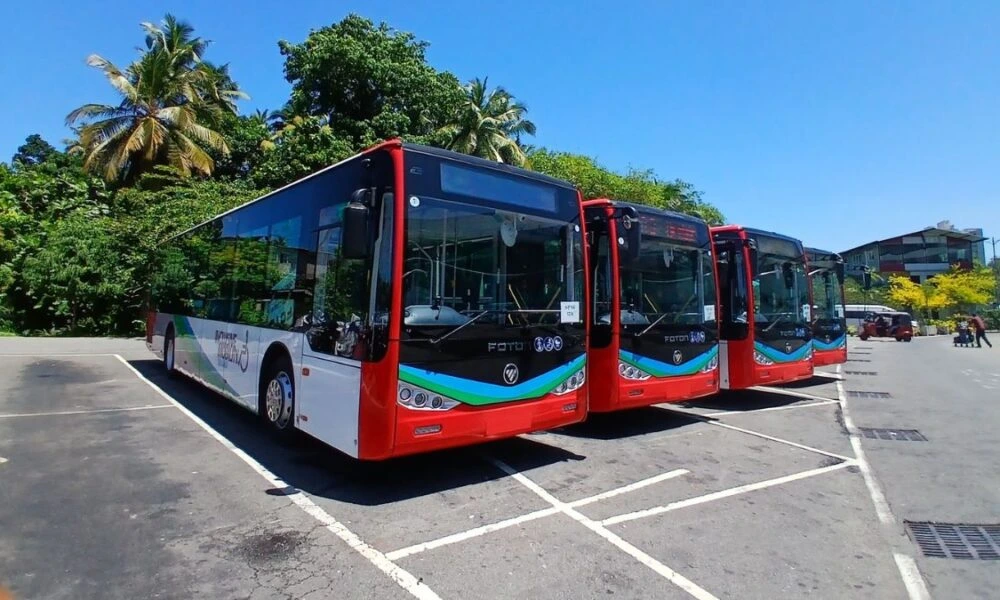
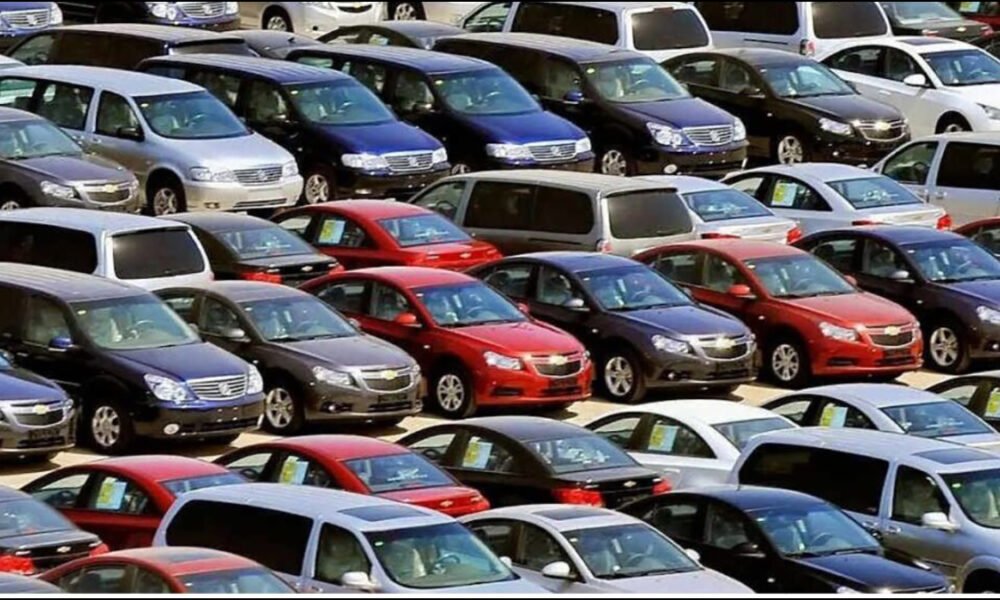
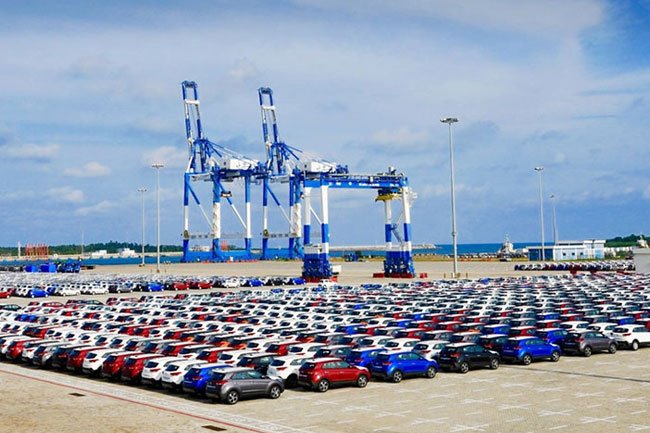
In recent months, LC volumes for vehicle imports have exceeded initial forecasts, reportedly reaching between USD 1.2 billion and USD 1.5 billion. This surge reflects increased consumer demand, improved access to credit, and a broader sense of economic recovery. However, it also raises questions about the pressure such imports place on foreign reserves and the exchange rate.
Exchange Rate Dynamics: Stability Amid Demand
The Central Bank of Sri Lanka has emphasized that the exchange rate is determined by market forces specifically, the balance between demand and supply of foreign currency. While short-term volatility may arise due to import activity, the Bank maintains that remittances, tourism earnings, and export performance are helping to stabilize the rupee.
As of November 2025, the exchange rate has moved within a range of Rs. 290 to Rs. 320 per US dollar. This is considered stable by monetary authorities, with a gradual depreciation of approximately 5% over the year. The Central Bank has intervened only to ensure orderly adjustments, avoiding aggressive market interference.
From a public perspective, this stability is reassuring. For households and businesses that rely on imported goods including vehicles, electronics, and fuel a predictable exchange rate helps with budgeting and financial planning.
Public Sentiment: Recovery vs. Affordability
While rising vehicle imports may signal economic recovery, they also highlight a divide in affordability. For many Sri Lankans, purchasing a vehicle remains out of reach due to high upfront costs, import duties, and financing constraints. The surge in LCs reflects demand from higher-income segments and commercial buyers, not necessarily the average household.
Middle-income families express concern that increased import activity could eventually lead to higher consumer prices, especially if foreign reserves are strained. There is also apprehension about whether credit growth is sustainable, or if it risks creating future debt burdens.
At the same time, the public recognizes that vehicle imports support key sectors; transport, logistics, and construction and contribute to economic momentum. The challenge lies in ensuring that growth is inclusive and does not disproportionately benefit a narrow segment of the population.
Credit Growth and Economic Signals
The Central Bank has linked rising import demand to broader credit growth, which is seen as a positive indicator of recovery. Sectors such as motor vehicles, telecommunications, and construction are driving this expansion, supported by improved lending conditions and consumer confidence.
For the public, access to credit is a double-edged sword. On one hand, it enables investment and consumption. On the other, it raises concerns about interest rates, repayment capacity, and long-term financial stability. Many households remain cautious, choosing to delay large purchases until income levels and savings improve.
Policy Outlook and Future Expectations
Authorities expect import demand to moderate in the coming months, with LC volumes already showing signs of decline. This is attributed to seasonal adjustments, tighter credit controls, and a more balanced trade environment.
From a policy standpoint, the focus remains on maintaining exchange rate stability, supporting export growth, and managing inflation. The Central Bank has reiterated its commitment to market-driven currency movements, while ensuring that volatility does not disrupt economic activity.
For the public, these signals are important. Stability in the exchange rate and import volumes helps maintain price predictability, especially for essential goods. It also reinforces trust in the financial system, which is critical for sustained recovery.
Conclusion: Balancing Growth and Affordability
Sri Lanka’s economic recovery in 2025 is shaped by complex forces, rising import demand, stable exchange rates, and expanding credit. While vehicle import LCs reflect renewed consumer and business confidence, they also raise questions about affordability, sustainability, and inclusivity.
From a public perspective, the key concern is balance. Growth must be matched with policies that protect household budgets, ensure access to essential goods, and maintain financial stability. As the country moves forward, transparent communication and responsive policymaking will be essential to ensure that recovery benefits all segments of society.

Follow Ceylon Public Affairs for grounded insights on Sri Lanka’s economy, trade, and public policy.