
Economic implications, recovery priorities, and fiscal outlook
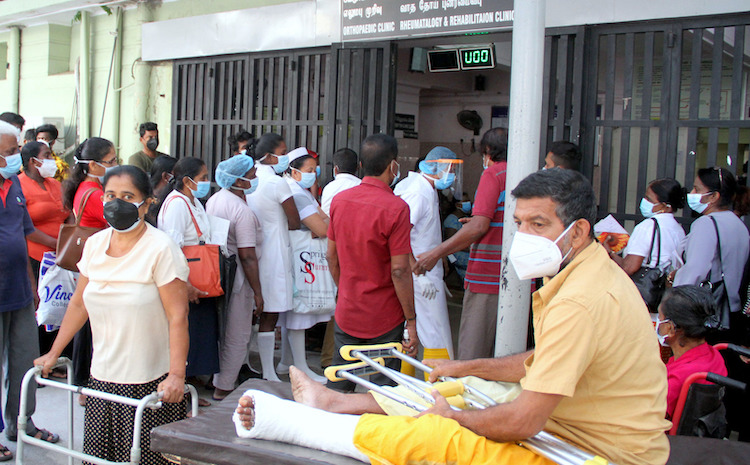
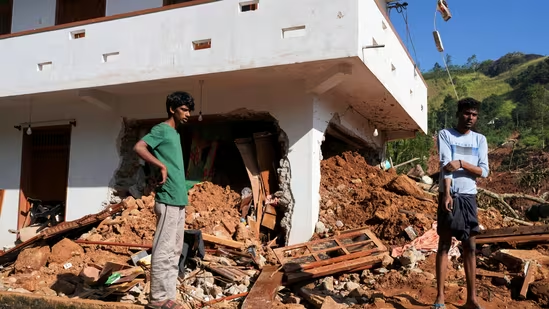
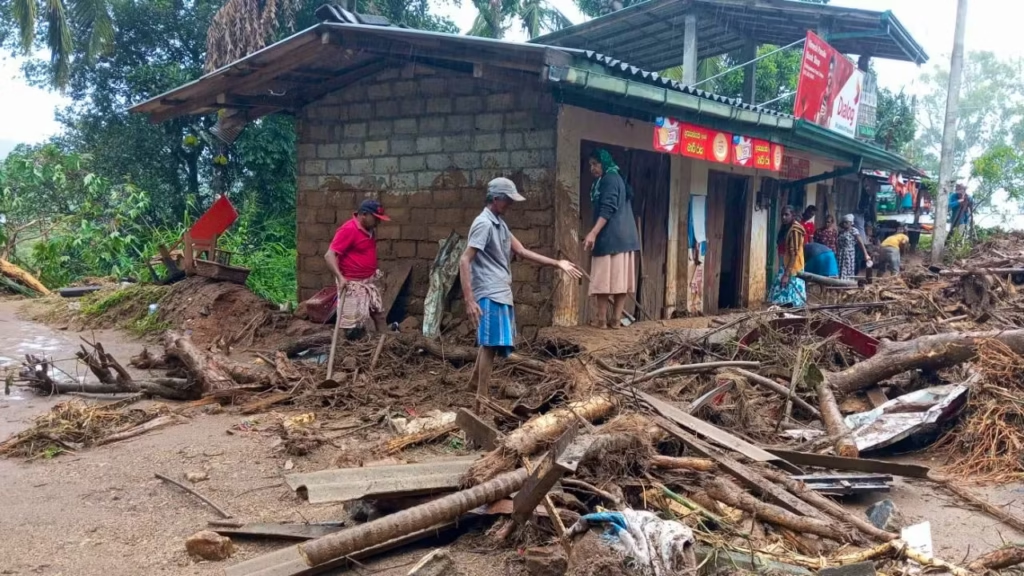
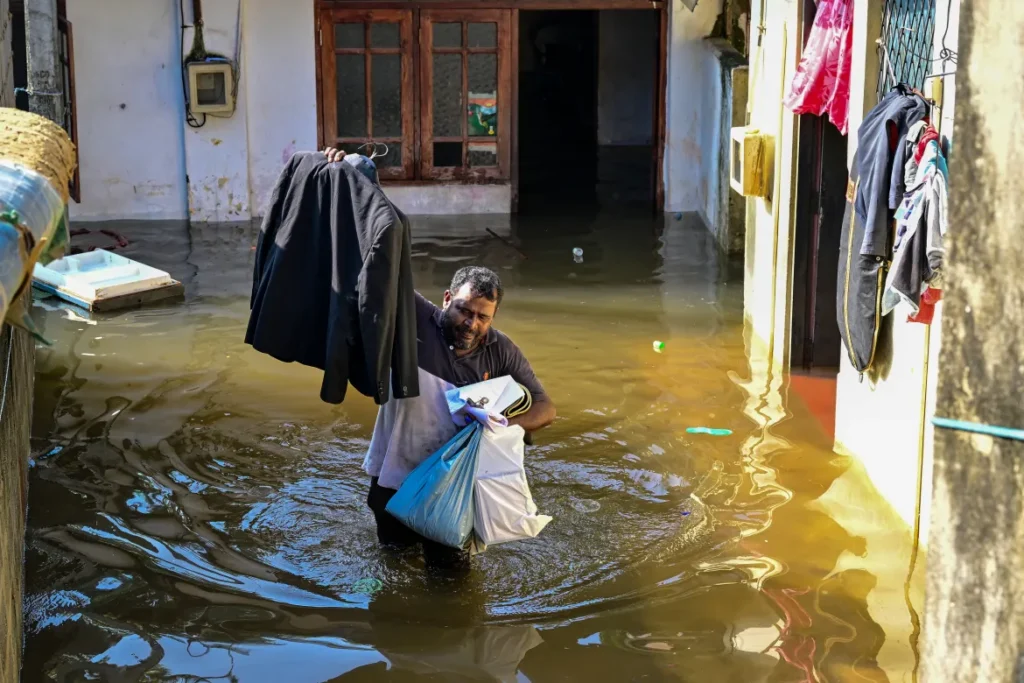
Sri Lanka is once again confronting economic turbulence this time not from external debt markets or inflationary pressures, but from nature itself. The recent cyclone and severe flooding have disrupted daily life, forced mass displacement, damaged infrastructure, and halted business activity across several provinces. Early estimates from disaster-management agencies indicate losses running into hundreds of billions of rupees, while livelihoods, food systems, transportation networks, and trade flows remain affected.
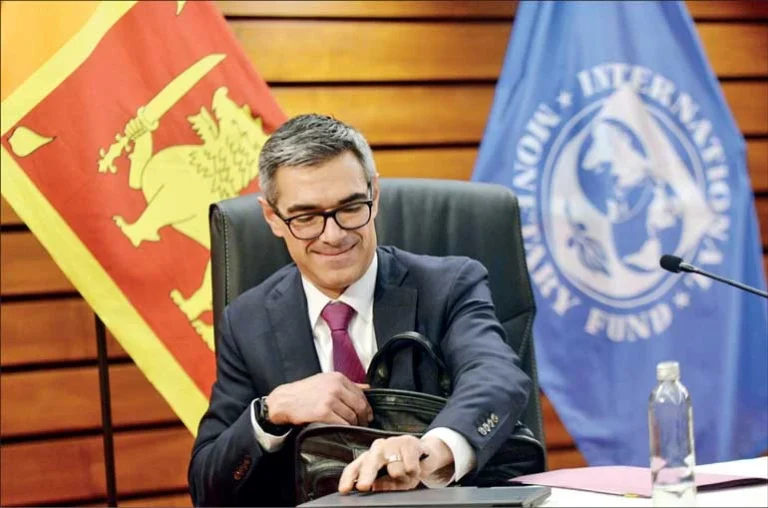
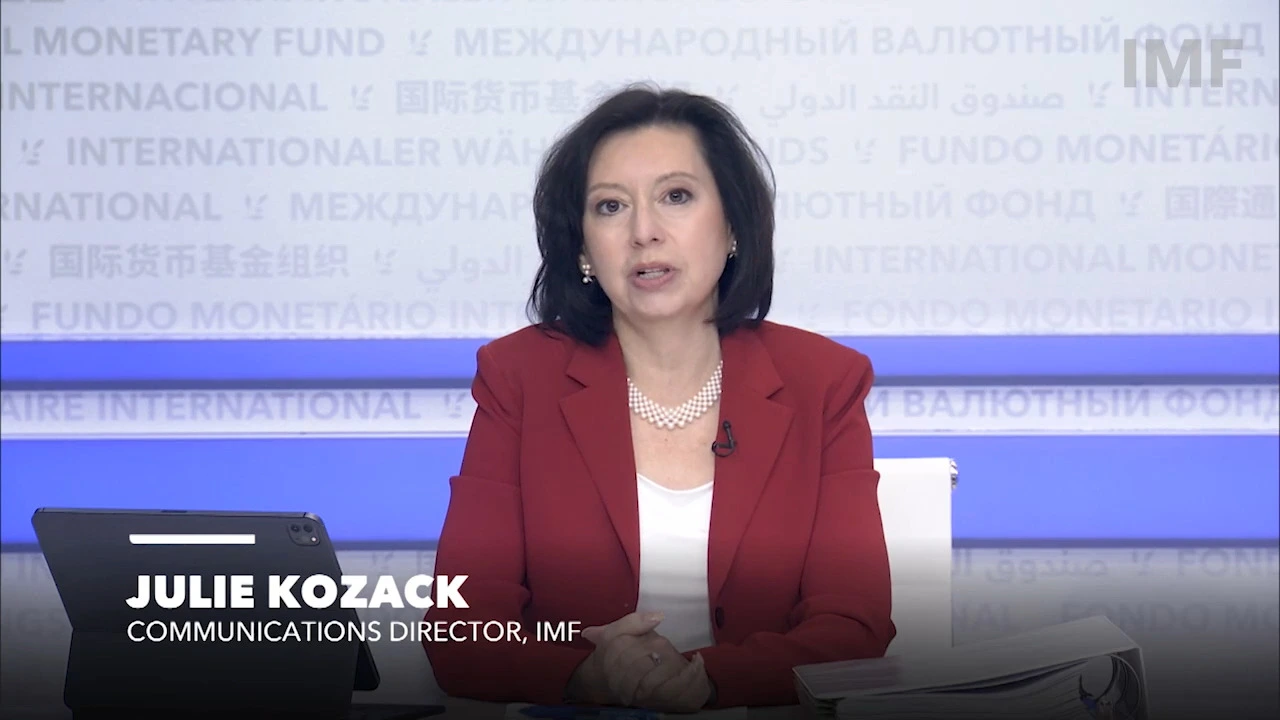
Against this backdrop, the International Monetary Fund (IMF) has stated unequivocally that the extreme weather will have a “clear economic impact” and that its support to Sri Lanka will evolve accordingly. IMF Communications Director Julie Kozack, during a press briefing yesterday, expressed condolences to Sri Lanka and other Asian economies hit by severe storms namely Indonesia, Malaysia, Thailand, and Vietnam but also highlighted that the IMF continues to remain engaged, vigilant, and prepared to assist beyond currently scheduled disbursements.
This moment is economically significant not simply because of the immediate damage, but because it intersects with Sri Lanka’s ongoing reform programme under the Extended Fund Facility (EFF). The cyclone has introduced a humanitarian and macroeconomic variable that could reshape fiscal projections, balance-of-payments targets, and the broader trajectory of recovery.
Also in Explained | Sri Lanka’s Cyclone Ditwah Response: Infrastructure, Aswesuma & Mahapola Welfare
Economic Impact: Short-Term Shock with Medium-Term Structural Effects
The IMF confirmed that “large parts of Sri Lanka have been affected” and that the disruption will weaken economic activity in the short term. In macroeconomic terms, this impact is likely to reveal itself across four channels:
1. Reduced Output in Key Sectors
Flooding has already disrupted:
- Manufacturing clusters due to factory closures
- Tourism flows (particularly ahead of peak December–January arrivals)
- Agriculture, especially paddy fields, vegetable supply zones, and livestock
Agricultural output losses could translate to higher food inflation early next year. At a time when inflation had been easing, any upward price shock risks tightening real incomes and domestic consumption.
2. Public Finance Strain
Even prior to the disaster, Sri Lanka had limited fiscal space. Flood-related rehabilitation creates fresh obligations:
- Infrastructure repair (roads, bridges, irrigation channels)
- Social assistance for displaced families
- Emergency healthcare and sanitation
- School and housing reconstruction
While most spending will occur through reallocated budget lines or foreign support, domestic financing gaps could widen.
3. Foreign Exchange Pressures
Although the IMF’s $350 million tranche provides relief, Sri Lanka will simultaneously face:
- Higher imports: construction materials, fuel, fertiliser
- Delays in export production
- Possible slowdown in tourism revenue
If external inflows and disaster-related grants do not materialise in time, reserve pressure could re-emerge.
4. Labour Market Disruption
Informal workers agricultural labourers, daily-wage construction workers, transport-sector workers—are among the worst impacted.
Temporary labour displacement triggers reduced daily income, debt vulnerabilities, and higher reliance on concessional financing.
IMF’s Immediate Position: Commitment Remains Intact
Despite the cyclone, Kozack reiterated that the IMF’s commitment remains unchanged. This matters because Sri Lanka is midway through a carefully sequenced macroeconomic stabilisation programme where continued support is tied to achieving structural reforms.
She confirmed that:
- The IMF Board is still scheduled to meet on 15 December
- Sri Lanka is likely to receive approximately USD 350 million, the sixth tranche
- A Staff-Level Agreement was reached in October, before the disaster
This continuity offers policy predictability, critical for private investors, rating agencies, and debt-restructuring counterparties.
Also in Explained | The Hidden Cost of Mental Health After Sri Lanka’s Cyclone and Floods
Rapid Damage Assessment Will Determine Scale of Additional Support
The Government is working on a Rapid Post-Disaster Damage Assessment alongside international partners. This assessment will estimate losses across:
- Agriculture and food systems
- Property and built infrastructure
- Public institutions
- Health, water, and utilities
For context, such assessments previously reshaped financing flows after major shocks in countries like Pakistan (2022 floods) and Mozambique (Cyclone Idai).
Kozack indicated that once numbers are finalised, IMF staff will evaluate “options to further support Sri Lanka”.
What could this mean in practice?
Possible avenues include:
1. Augmented programme disbursement
Increasing tranche amounts or advancing a tranche.
2. Accessing emergency financing windows
IMF has dedicated disaster-related instruments, applicable once economic losses are officially documented.
3. Programme re-calibration
Adjusting certain fiscal targets, especially if revenue mobilisation temporarily weakens.
4. Resilience-building components
Focused funding for climate adaptation, infrastructure strength, and contingency planning.
Climate-Driven Economic Shocks Are No Longer Isolated Events
Sri Lanka has experienced:
- Floods (2016, 2017, 2021)
- Landslides
- Extended drought cycles
- Coastal erosion
- Cyclone-linked displacements
Climate shocks now carry fiscal consequences.
Every disaster triggers:
- Balance-of-payments strain
- Increased public expenditure
- Lower monsoon-season productivity losses
- Stress on already-weak provincial infrastructure
With the IMF now emphasising resilience within its lending frameworks, Sri Lanka may pivot toward climate-aligned borrowing particularly concessional windows tied to sustainability.
Reform Progress: Still Critical Despite Disaster
Even as disaster response unfolds, Sri Lanka is expected to sustain ongoing reforms in:
Tax administration and compliance
Revenue collection must consolidate to maintain fiscal credibility.
State-Owned Enterprise restructuring
Energy-sector SOEs remain cost centres.
Social protection targeting
The need-based model now matters more, because more households have fallen into temporary vulnerability.
Debt restructuring milestones
Completion of external restructuring defines medium-term solvency.
The IMF signalled no dilution in these expectations.
The Road Ahead: Balancing Relief, Reform, and Growth
Sri Lanka enters a decisive phase heading into 2025. The cyclone has added complexity, but not paralysis. Existing programme goals remain, but new variables must be factored into forecasting models.
Economists will closely track:
• Real GDP recovery against high-base effects of post-crisis stabilisation
• Inflation trends driven by supply disruptions
• External account stability during reconstruction import cycles
• Fiscal deficits incorporating emergency expenditure
For households, immediate concerns are livelihood continuity, food access, rebuilding homes, and securing income streams. For small businesses, the concern is cash flow survival while demand remains depressed.
Conclusion: Economic Resilience Is Now the Central Policy Priority
The IMF stance conveys stability, empathy, and readiness. It recognises that Sri Lanka’s disaster recovery must complement not derail economic reform gains already achieved.
The coming weeks will reveal the full picture through the Rapid Damage Assessment. Once completed, Sri Lanka could unlock not only the next IMF tranche but also broader support from multilateral partners who typically align behind IMF-verified assessments.
In essence, Sri Lanka faces a dual challenge:
Recover from disaster losses while safeguarding macroeconomic reform momentum.
If Sri Lanka can address both fronts strategically, accelerated financing, concessional lending, and stronger resilience-building measures may follow, offering a more robust foundation for long-term economic stability.
Also in Explained | Sri Lanka Tourism After the Floods: Recovery, Safety, and Southern Province