
A Critical Juncture for Sri Lanka’s Energy Future
Sri Lanka stands at a decisive moment in its development journey. The country’s reliance on imported fossil fuels has left its economy vulnerable to global price shocks, foreign exchange shortages, and environmental degradation. At the same time, climate change is intensifying floods, droughts, and cyclones, placing immense pressure on communities and infrastructure.
Against this backdrop, sustainable energy particularly solar and wind offers Sri Lanka both an economic lifeline and a development opportunity. But the path forward must be carefully planned. Investments must deliver benefits without creating social tensions, environmental damage, or governance failures.
Also in Explained | Why Sri Lanka Mannar Wind Power Project Was Cancelled – And What Must Happen Next?
Why Sustainable Energy Is Essential for Sri Lanka
- Reducing Import Dependence
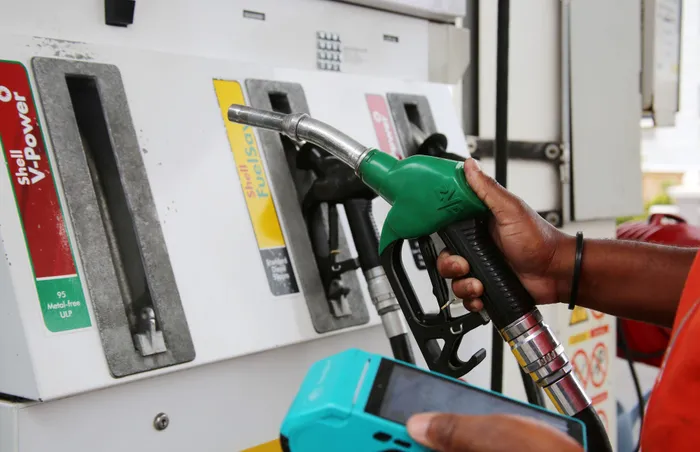
Sri Lanka spends billions annually on fossil fuel imports. Transitioning to renewable energy reduces this burden, stabilizes the balance of payments, and strengthens energy security. - Economic Competitiveness
Affordable, clean energy lowers production costs for industries, making Sri Lankan exports more competitive in global markets. - Climate Commitments
As a signatory to international climate agreements, Sri Lanka must reduce emissions. Renewable energy is central to meeting these obligations. - Job Creation and Rural Development
Solar and wind projects can generate thousands of jobs, particularly in rural areas. Community‑based energy programs also empower local households to become producers, not just consumers.
Current Landscape of Renewable Energy in Sri Lanka
Sri Lanka has already launched initiatives such as the Soorya Bala Sangramaya (Battle for Solar Energy) program, which aims to add 1,000 MW of solar electricity to the grid by 2025 and 1,500 MW by 2030 energy.gov.lk. The World Bank has also approved a $150 million program to accelerate clean energy adoption, focusing on solar and wind.
Yet progress has been uneven. Projects in the North and East have faced resistance due to community concerns, land disputes, and lack of transparent engagement. Bureaucratic delays, inconsistent policies, and grid inefficiencies have further slowed momentum.
Risks and Challenges in Sustainable Energy Development
While renewable energy is promising, Sri Lanka must address several risks:
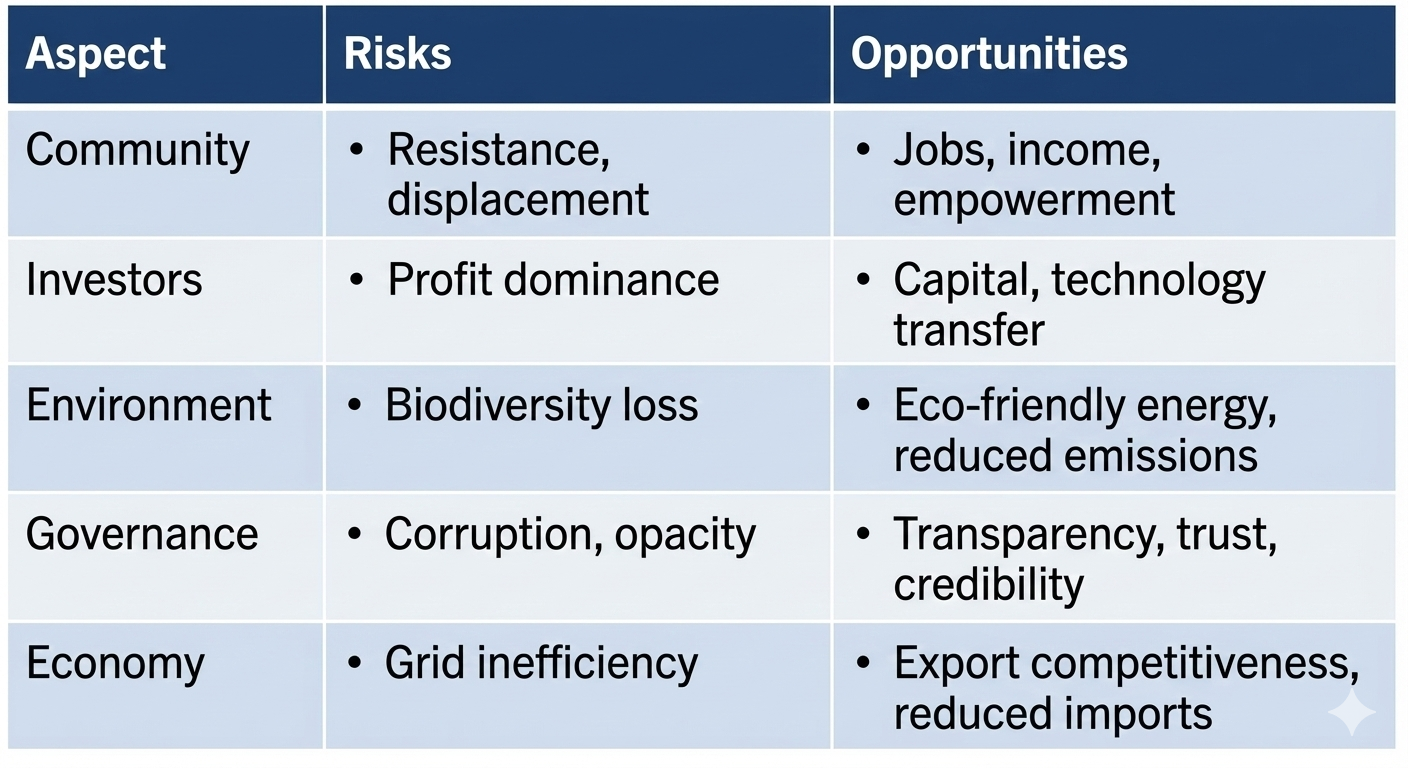
- Community Resistance: Large‑scale projects often require land acquisition. Without transparent consultation, communities may resist, as seen in stalled solar and wind projects in the North.
- Investor Dominance: Foreign investors may prioritize profits over local benefits, sidelining Sri Lankan workers and businesses.
- Environmental Concerns: Sri Lanka is home to rare species and fragile ecosystems. Poorly planned projects could harm biodiversity.
- Governance Issues: Corruption, fraud, and opaque contracts undermine public trust and investor confidence.
- Grid Limitations: Without modern infrastructure, renewable energy cannot be integrated efficiently, leading to curtailments and wasted capacity.
How Sri Lanka Can Attract Responsible Investment
- Transparent Engagement with Communities
Investors must consult openly with local communities before acquiring land or relocating households. Clear compensation, livelihood alternatives, and participatory planning are essential to avoid conflict.
- Strong Policy Frameworks
Predictable tariffs, consistent regulations, and long‑term energy strategies reassure investors. Sudden policy reversals or arbitrary decisions discourage investment.
- Local Participation
Projects should mandate local employment quotas, training programs, and SME involvement. This ensures Sri Lankans benefit directly from renewable energy investments.
- Environmental Safeguards
Comprehensive environmental impact assessments must be enforced. Projects should avoid ecologically sensitive zones and integrate biodiversity protection into their design.
- Public‑Private Partnerships (PPPs)
Given fiscal constraints, PPPs can mobilize capital while sharing risks. However, contracts must be transparent, competitive, and monitored to prevent misuse.
Opportunities for Sri Lanka
Solar Power
Sri Lanka’s tropical climate offers abundant sunshine. Rooftop solar programs can empower households, schools, and businesses to generate electricity, reducing grid demand and democratizing energy.
Wind Energy
Coastal and highland regions have strong wind potential. Properly planned wind farms can supply large volumes of clean power, provided community concerns are addressed.
Biomass and Mini‑Hydro
Sustainable biomass and small hydro projects can complement solar and wind, especially in rural areas. These diversify the energy mix and reduce reliance on imports.
Ensuring Transparency and Accountability
Transparency is the cornerstone of successful renewable energy investment. Sri Lanka must:
- Publish project details, contracts, and environmental assessments.
- Establish independent monitoring bodies.
- Use digital platforms to track progress and expenditures.
- Enforce anti‑corruption measures to protect both citizens and investors.
Balancing Development with Conservation
Sri Lanka’s biodiversity is globally significant. Renewable energy projects must avoid harming rare species or fragile ecosystems. Integrating conservation into energy planning ensures that sustainability is not just about carbon reduction but also about protecting natural heritage.
Comparison: Risks vs. Opportunities
Conclusion: A Path Forward Without Drama
Sri Lanka’s transition to sustainable energy is not optional, it is an economic and environmental necessity. But success depends on responsible planning, transparent governance, and inclusive investment models.
If projects are designed with community participation, environmental safeguards, and clear benefits for Sri Lankans, renewable energy can transform the economy without causing social or political drama.
The challenge is not whether Sri Lanka should pursue solar and wind, it is how to do so in a way that builds trust, attracts responsible investors, and protects the country’s unique natural heritage.
By embracing transparency, accountability, and inclusivity, Sri Lanka can position itself as a regional leader in sustainable energy, turning risks into opportunities and ensuring that the benefits of clean power reach every citizen.
Also in Explained | Sri Lanka Cannot Grow by Looking Inwards: Why an Export-Driven, Green Investment Brand Is No Longer Optional