

As 2026 begins, the Sri Lankan Rupee (LKR) has maintained relative stability against the US Dollar (USD), trading in a narrow range around 309.5-309.7 LKR per USD in the first three days of January. Data aligned with Central Bank of Sri Lanka (CBSL) indicative rates show the spot rate hovering near 309.6 on January 1, edging to 309.72 on January 2, and settling around 309.71 on January 3. Telegraphic transfer rates from commercial banks reflect buying at approximately 305.81 and selling at 313.40.
While this early-year calm avoids sudden shocks, the rate remains notably higher than levels seen at the start of 2025, following a 5.6% depreciation over the previous year. For ordinary Sri Lankans families, daily wage earners, and small households this means continued pressure on the cost of living. Imported essentials and food items stay expensive, stretching budgets that have already adjusted to elevated prices. From a public perspective, many express concern that the higher baseline rate keeps daily expenses burdensome, even without fresh volatility.
This analysis draws on trusted market indicators and public sentiment to explore how the USD LKR exchange rate in early January 2026 affects people’s lives, with a focus on the challenges for food prices, goods, and household finances.
Also in Explained | Sri Lanka’s Brain Drain Crisis: The Cost of Losing Our Brightest Minds
Exchange Rate Snapshot: Stability in the First Three Days of January 2026
January 1, 2026, a public holiday, carried forward indicative rates from late 2025 at around 309.60 LKR per USD. As markets reopened:
- January 2 saw the rate at approximately 309.72, with minor movements reflecting low trading volumes post-holidays.
- By January 3, it held steady near 309.71-309.75, showing negligible change.
Commercial bank quotes aligned closely, with buying rates dipping slightly to 305.81 and selling to 313.40. This tight range less than 0.1% variation provides predictability in the short term. However, compared to early 2025 rates around 292-297 LKR per USD, the current level represents a sustained depreciation that locks in higher costs for import-dependent items.
For the public, this stability is a small relief no overnight jumps but the elevated rate reminds many of the ongoing squeeze on wallets. Market conversations reveal a common view: “It’s not getting worse right now, but it’s still harder than last year.”
Strain on Imported Goods and Essential Commodities
Sri Lanka imports a large share of everyday necessities, from fuel and medicines to raw materials and consumer products. At 309-310 LKR per USD, these items cost significantly more in local currency than a year ago, directly impacting households.
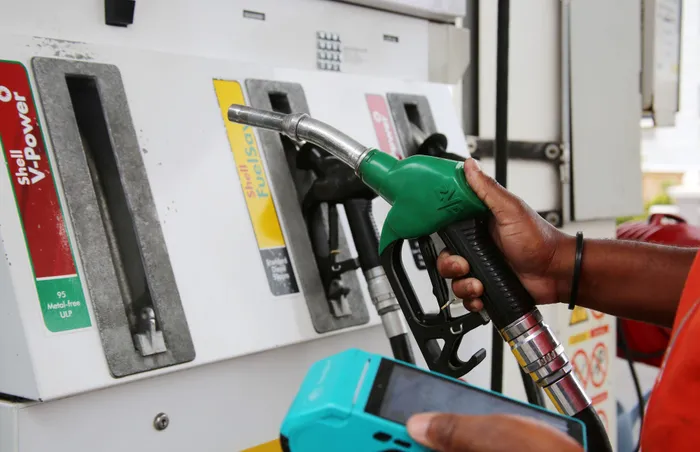
Fuel remains a prime example. Although no immediate revisions occurred in early January, the higher rate contributes to elevated baseline prices at the pump. Commuters, three-wheeler operators, and families relying on public transport feel this in daily travel costs. Many report cutting back on non-essential trips to manage expenses.
Medicines and healthcare products, often imported, carry sustained higher prices. Patients with chronic conditions note that monthly prescriptions eat deeper into limited incomes. Similarly, construction materials and household durables like electronics remain pricier, delaying home repairs or upgrades for many middle- and lower-income families.
Retailers and wholesalers confirm that import bills reflect the depreciated rate, limiting their ability to absorb costs. Small shops in local markets pass on these expenses, leading to cautious buying among customers. Public feedback highlights frustration: ordinary people bear the brunt, with little room to negotiate lower prices.
Food Prices: A Heavy Burden on Household Budgets
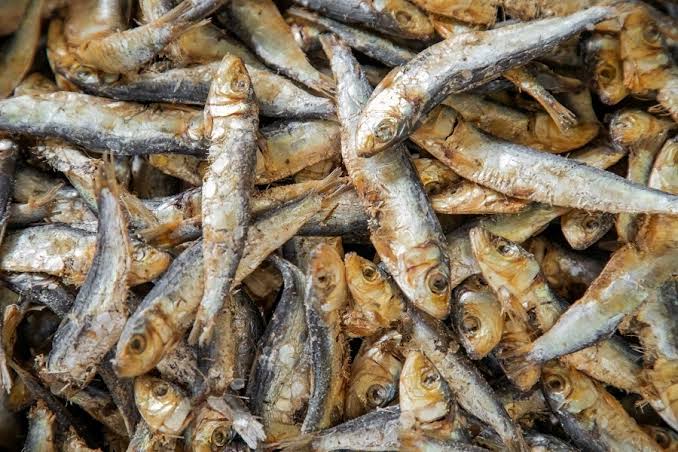
Food affordability touches every Sri Lankan home, and the exchange rate’s role is unmistakable. Key staples wheat flour, sugar, lentils, milk powder, and cooking oil are heavily imported, making their prices sensitive to the stronger dollar.
In early 2026 markets, these items held at levels adjusted for the 2025 depreciation, with no major drops despite rate stability. A packet of milk powder or a kilogram of lentils costs noticeably more than in early 2025, forcing families to reduce portions or switch to cheaper alternatives. Locally produced rice and vegetables offer some buffer, but indirect costs from imported fertilizers and fuel keep pressures alive.
Lower-income households, spending over half their earnings on food, feel the pinch most acutely. Mothers in urban and rural areas share stories of smaller grocery hauls or skipping nutritious items to stay within budget. Street vendors and small eateries maintain prices but see slower sales, as customers opt for basic meals.
While low overall inflation provides some containment, the depreciated rupee’s legacy means food baskets remain stretched. Public sentiment in pola and supermarkets reflects quiet worry: many hope for relief but see little immediate change at current rates.
Broader Cost of Living Pressures for Ordinary Citizens
Beyond specific goods, the higher USD LKR rate ripples through daily life. Education expenses imported books, devices, or fees tied to dollar costs add strain for parents preparing for the new school term. Utility bills, influenced by imported energy components, contribute to tighter monthly planning.
Daily wage earners and fixed-income retirees express particular concern. Without corresponding income growth, the depreciated rupee erodes purchasing power, making ends meet harder. Conversations in buses and workplaces often turn to these challenges, with people noting that essentials consume more of their earnings than before.
Young adults and small entrepreneurs face hurdles in accessing imported tools or materials, limiting opportunities. Overall, the public view leans toward caution: stability is appreciated, but the higher rate sustains a sense of economic tightness.
The Brighter Side: Gains for Remittances, Tourism, and Exports
Amid the challenges, some segments benefit from the current rate levels. Remittance recipients families supported by overseas workers enjoy greater rupee value from dollar earnings. At around 309-310 LKR per USD, these inflows stretch further for bills, education, or savings, providing vital support to many households.
Tourism sees advantages too, with Sri Lanka appearing more affordable to international visitors. Early 2026 arrivals contribute spending to local businesses, guides, and hospitality workers.
Exports like tea, apparel, and gems gain competitiveness, helping maintain orders and jobs in those sectors. These broader benefits support national inflows, indirectly aiding economic stability.
Ongoing Challenges Dominate Public Concerns
For most ordinary Sri Lankans, the USD LKR exchange rate in early January 2026 stable but depreciated translates primarily to persistent difficulties. Higher costs for food, fuel, medicines, and goods weigh heavily on daily life, particularly for those with limited incomes.
While positives exist for certain groups, the public narrative centers on the need for affordable essentials. Families prioritize stretching budgets over optimism, hoping future trends ease the load on household expenses.
The opening days of 2026 highlight how exchange rate levels, even when steady, shape real struggles and resilience in everyday Sri Lankan life. As the year unfolds, affordability of food and basics remains a key watchpoint for millions.
Also in Explained | Air Quality Concerns in Sri Lanka: Causes, Impacts, and Pathways to Improvement