

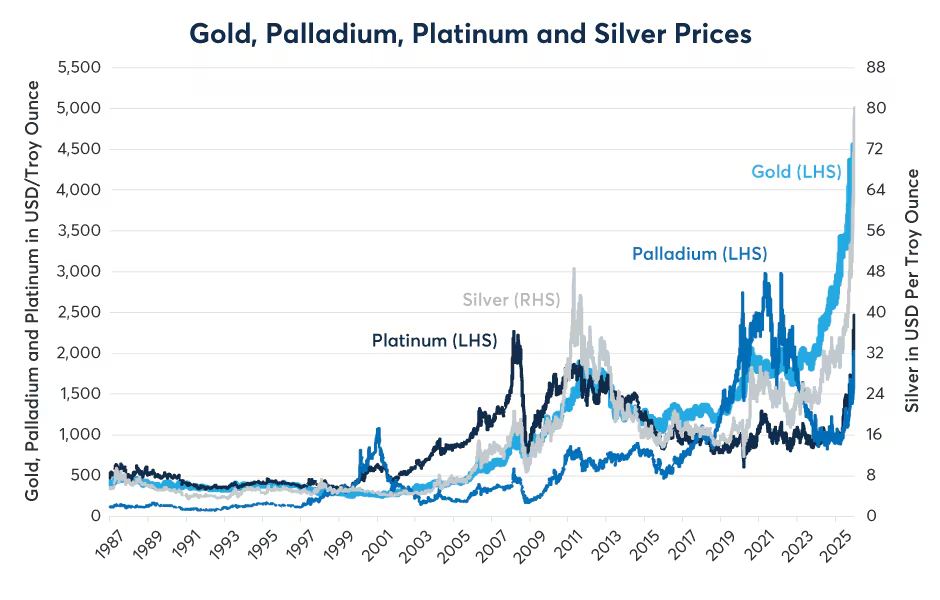
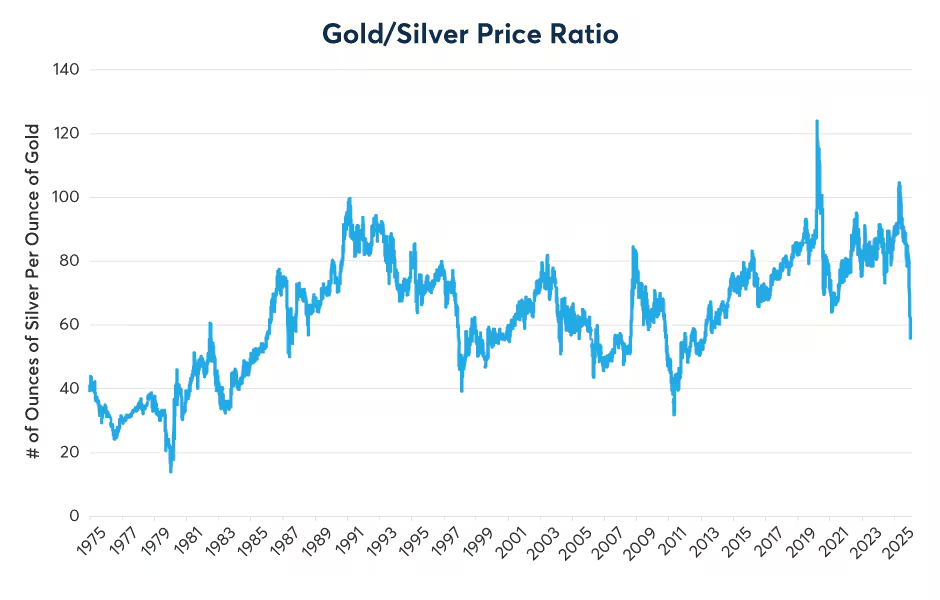
In January 2026, silver prices have made global headlines by surging above $87 per ounce for the first time ever, marking a remarkable +210% increase over the past 13 months. This rapid rise, highlighted in financial commentary and AI analyses, reflects strong underlying drivers in the global market. For ordinary Sri Lankans families planning weddings, jewelers crafting traditional pieces, or households considering investments, these developments bring a mix of challenges and opportunities.
From a public perspective, silver holds deep cultural significance beyond its monetary value. It adorns brides on wedding days, features in religious offerings, and serves as a trusted store of wealth across generations. As prices climb to unprecedented levels, many wonder how this affects everyday affordability and long-term planning. This analysis explores the key factors behind the surge, drawing on reliable market insights, and examines its real-world effects on people, jewelry, investments, and related sectors in Sri Lanka.
Also in Explained | Sri Lanka Central Bank’s 2026 Policy Agenda: Boosting Business Confidence and Market Stability
Understanding the Global Drivers of Silver’s Surge
The dramatic increase in silver prices stems from a combination of robust demand and constrained supply, creating an environment where values escalate quickly.
Industrial demand leads the charge. Silver’s unique properties excellent conductivity and reflectivity make it essential for booming sectors like solar panels, electric vehicles (EVs), and advanced technology including AI infrastructure. As global shifts toward renewable energy and electrification accelerate, consumption in these areas has outpaced available supply, pushing prices higher.
Supply-side pressures add fuel. China, accounting for roughly 70% of global refined silver, implemented export restrictions in January 2026 to prioritize domestic needs amid its own industrial growth. This has tightened international availability, contributing to deficits.
Monetary factors play a role too. A relatively weaker US dollar makes silver more attractive as an inflation hedge, drawing investors seeking protection. Geopolitical tensions and the parallel rally in gold, often seen as silver’s “big sibling” have provided additional momentum, encouraging portfolio diversification into precious metals.
Market observers note this surge is “not normal” in historical terms, reflecting extraordinary convergence of these elements. For citizens following commodity news through apps or discussions, the speed of change highlights how interconnected global events influence local realities.
Cultural and Everyday Impacts: Jewelry and Traditions
In Sri Lanka, silver enjoys widespread use in jewelry and ornamental items, particularly in traditional and everyday wear. Unlike gold’s dominance in high-value pieces, silver offers accessible elegance for earrings, necklaces, bangles, and anklets favorites among women and girls across income levels.
With prices now exceeding $87 per ounce globally, local retail costs have risen accordingly. Jewelers report increased raw material expenses, leading to higher tags on finished products. For families preparing for weddings or coming-of-age ceremonies, this means budgeting more for bridal sets or gifts that traditionally include silver elements.
Young couples and parents often share that while gold remains the centerpiece, silver complements with affordability and style. The current surge prompts careful planning: opting for lighter designs, mixing metals, or timing purchases strategically. Rural artisans crafting handmade silver items note steady demand but adjust pricing to maintain accessibility.
Religious and cultural practices also feel the shift. Silver offerings at temples or for festivals, though modest in quantity, contribute to household expenses. Communities appreciate silver’s enduring appeal, viewing the price rise as a temporary phase amid broader economic dynamics.
Investment Perspectives: A Hedge with Growing Appeal
Many Sri Lankans traditionally view precious metals as reliable savings vehicles, especially during uncertain times. Silver, often called “poor man’s gold,” provides an entry point for smaller investors, households buying coins, bars, or jewelry as long-term assets.
The 2026 surge enhances this role. As an inflation hedge, rising silver values help preserve purchasing power, particularly appealing amid global currency fluctuations. Retirees and middle-class families diversifying from bank deposits see potential: gains over the past year outpace many conventional options.
Local dealers and banks offering silver products report heightened interest. Young professionals exploring investments through apps or physical purchases find the metal’s dual utility, industrial plus monetary compelling. While volatility exists, the underlying demand story supports optimism for sustained value.
Public conversations in markets or online forums reflect this: silver as a tangible asset passed to children, combining beauty with financial security.
Broader Economic Ripple Effects
Sri Lanka imports most of its silver requirements, primarily for jewelry fabrication and limited industrial uses. Higher global prices increase import bills, influencing trade balances. However, strong international demand signals robust sectors like renewables and tech, areas where Sri Lankan exports (e.g., components or services) could indirectly benefit.
Small-scale jewelers and exporters of silver-crafted goods adapt by emphasizing quality and unique designs, maintaining competitiveness. Tourism-related sales, visitors buying souvenirs continue, with premium pricing reflecting global trends.
For households, the surge encourages financial awareness: comparing options, understanding market drivers, and planning major purchases thoughtfully.
Looking Ahead: Opportunities Amid Change
Silver’s record-breaking run in early 2026 underscores its evolving role in a dynamic world. Industrial innovation drives demand, while supply dynamics shape pricing factors likely to persist as clean energy and technology expand.
In Sri Lanka, this translates to adjusted traditions and smarter investments. Families cherish silver’s cultural place, adapting with creativity perhaps lighter pieces or heirloom repurposing. Investors gain a timely hedge, aligning savings with global growth themes.
Public sentiment mixes caution with appreciation: higher prices challenge short-term affordability but affirm silver’s enduring worth. As markets stabilize, opportunities for balanced participation emerge.
For everyday citizens from brides-to-be selecting jewelry to parents teaching financial basics the surge highlights resilience. Silver remains a symbol of prosperity, its value reflecting both tradition and forward progress.
In communities across the island, discussions turn to practical steps: informed buying, quality over quantity, and viewing metals as long-term companions. This period of elevated prices reinforces silver’s special status accessible, beautiful, and increasingly valuable in an interconnected economy.
Also in Explained | Sri Lanka’s Digital Economy in 2026: Building Public Trust Amid Rapid Growth and Everyday Risks