
As Sri Lanka advances its economic goals in 2026, public-private partnerships (PPPs) offer a collaborative approach to enhance industries, boost exports, and create widespread opportunities. For ordinary citizens, small exporters navigating global markets, workers seeking stable roles, or families benefiting from economic activity PPPs represent a practical way to combine state oversight with private innovation. Rather than sole state ownership, this model attracts investment, expertise, and efficiency, potentially elevating sectors to new heights.
The Valaichchenai Paper Mill in the Eastern Province serves as a compelling example. Once a cornerstone of domestic production, its revival shows promise, yet PPP involvement could expand output, modernize operations, and position it for exports surpassing historical records in production and employment. Drawing on successful PPP precedents, this analysis explores how such partnerships support national growth, particularly in export-oriented industries, from a public viewpoint.
Also in Explained | Sri Lanka’s Digital Economy in 2026: Building Public Trust Amid Rapid Growth and Everyday Risks
The Value of PPPs in Balancing Ownership and Progress
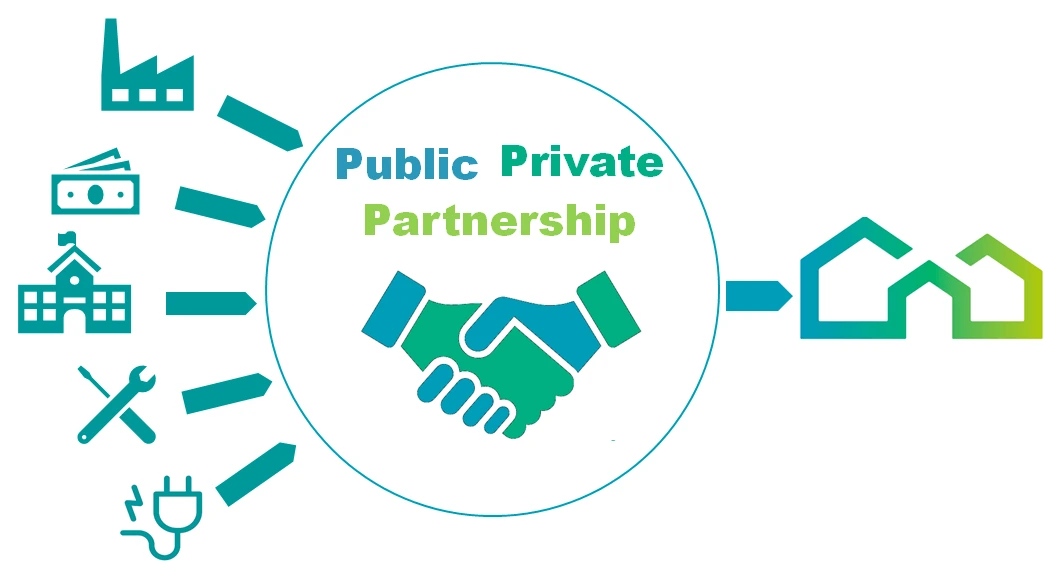
PPPs allow strategic state involvement, retaining policy direction and equity while private partners contribute capital, technology, and management. This shared model has proven effective globally and locally, accelerating development without full privatization.
In Sri Lanka, citizens appreciate PPPs for delivering tangible results: improved infrastructure, reliable services, and job creation. Exporters see potential in enhanced competitiveness, better facilities reducing costs and opening markets. Workers value training and modern workplaces. Communities gain from inclusive growth, with partnerships often prioritizing local hiring and supply chains.
For export-related industries, PPPs unlock advantages like advanced logistics, quality standards, and international networks. Private expertise helps meet global demands, turning domestic resources into competitive products.
Successful PPP Models: Inspiration from Sri Lanka
A standout PPPs illustrate the impact on national growth and exports.
The South Asia Gateway Terminals (SAGT) at Colombo Port, operational since 1999, transformed a key quay through a consortium including private firms and the Sri Lanka Ports Authority. Investment exceeded $240 million in a 30-year BOT arrangement. Outcomes include massive throughput growth over 350% initially and positioning Colombo as a regional hub handling millions of TEUs annually. This directly supports exports, facilitating apparel, tea, and gems shipments efficiently.
Public benefits are clear: thousands of jobs in port operations, logistics, and related services; faster trade reducing exporter costs; and revenue contributing to national development. SAGT’s success demonstrates how PPPs elevate export infrastructure, driving GDP through trade.
Impacts include strengthened transshipment role, attracting regional cargo and boosting export volumes. Jobs in modern terminals, technology transfer, and efficient operations benefit workers and businesses alike. These projects highlight PPPs fueling export growth essential for foreign exchange and economic resilience.
Valaichchenai Paper Mill: PPP Potential for Export Expansion
The Valaichchenai Paper Mill, revived profitably in 2025 using recycled materials, exemplifies where PPPs could amplify success. Current operations provide jobs and meet domestic needs, but older machinery and scale limit full potential.
A PPP could introduce private investment for upgrades; new lines, automation, quality enhancements while state retains oversight. This might expand production beyond historical peaks (e.g., diverse papers for packaging, writing, specialty exports).
Export opportunities abound: high-quality paper for regional markets, packaging supporting apparel/gem exports, or sustainable products appealing globally. Private partners bring market access, certifications, and innovation turning the mill into an export contributor.
Employment could surge: historical 3,000 direct roles potentially exceeded with modern efficiency (e.g., 3,500-4,000 jobs including skilled positions). Indirect benefits supply chains for recyclables/straw, logistics add thousands more, anchoring Eastern Province growth.
Communities envision thriving villages: youth trained locally, reduced migration, wages supporting education/healthcare. Farmers gain reliable outlets; small businesses flourish around expanded activity.
Broader National Growth Through Export-Focused PPPs
PPPs in export industries drive multifaceted growth. Enhanced competitiveness lowers costs, increases volumes vital for sectors like apparel (major forex earner) needing reliable packaging/supplies.
Investment flows create jobs nationwide, skill development raises productivity, and technology transfer builds capacity. Sustainable practices attract eco-conscious markets, opening premiums.
Public experiences reflect optimism: ports’ PPP successes mean faster exports for tea farmers; potential mills like Valaichchenai could supply exporters affordably.
In regions like the East, PPPs promote balanced development jobs close to home, inclusive opportunities for diverse communities.
Community Perspectives: Shared Aspirations
Ordinary Sri Lankans view PPPs positively as bridges to progress. Exporters appreciate efficiency gains; workers value modern roles; families see stable futures.
For Valaichchenai residents, a PPP-enhanced mill means pride restored surpassing past achievements through collaboration. Nationwide, successful models inspire confidence in similar paths for other industries.
Discussions in homes or markets focus on benefits: more exports meaning stronger economy, jobs supporting dignity.
A Collaborative Future for Sustainable Growth
Public-private partnerships offer Sri Lanka a proven route to national advancement, particularly in export industries. By blending state guidance with private dynamism, they unlock investment, innovation, and markets exemplified by SAGT and CWICT successes.
For facilities like Valaichchenai Paper Mill, PPPs hold transformative potential: exceeding historical production, creating abundant employment, and contributing to exports. This approach fosters inclusive, resilient growth benefiting all.
As citizens navigating economic opportunities, we welcome partnerships that elevate industries while serving communities. In 2026, embracing PPPs thoughtfully can propel Sri Lanka toward prosperous, export-led horizons.
Also in Explained | Sri Lankan-Born Astrophysicist Ray Jayawardhana: A Trailblazing Journey to the Presidency of Caltech