
In 2025, Sri Lanka’s vehicle import tax revenue shattered expectations, reaching Rs. 904 billion against a projected Rs. 441 billion, as announced by Deputy Minister of Economic Development Nishantha Jayawardena in Parliament. For the average Sri Lankan considering a car purchase whether a young family eyeing a compact hatchback, a professional upgrading for comfort, or a small business owner needing a reliable van this surge highlights the hefty costs involved. We often hear about high import duties making vehicles expensive, but the record revenue underscores how these taxes come directly from domestic pockets, not export earnings.
From a public perspective, buying a car is a major milestone: symbolizing mobility, independence, and progress. Yet the process feels daunting with layers of taxes pushing prices sky-high. A modest imported sedan that might cost Rs. 5 million abroad can balloon to Rs. 10-15 million locally due to duties. This article verifies the revenue figures from official sources, explores how import taxes affect everyday buyers, and examines the broader economic role of this “domestic money” in funding national needs all while appreciating the system’s intent to support local priorities.
Also in Explained | Silver Prices Soar to Record Highs in Early 2026: Implications for Daily Life and Economy in Sri Lanka
Verifying the Record Revenue: Official Sources Confirm the Surge
The news stems from a parliamentary statement by Deputy Minister Jayawardena on January 20, 2026. He revealed that vehicle import taxes collected Rs. 904 billion in 2025, more than double the initial projection of Rs. 441 billion. This aligns with Sri Lanka Customs data, which by December 29, 2025, reported total customs revenue of Rs. 2.497 trillion for the year, surpassing revised targets. Vehicle imports were a key driver, contributing around Rs. 870-904 billion specifically.
Earlier estimates from Fitch Solutions in March 2025 anticipated vehicle imports boosting tax revenue by 1.6% of GDP, driven by pent-up demand after import relaxations. By year’s end, imports exceeded expectations, with registrations hitting 312,317 by November, including high numbers in September (48,708, up 27% month-on-month). These figures confirm the revenue boom, rooted in increased vehicle inflows post-2024 restrictions easing.
Importantly, this revenue is entirely from domestic sources: taxes paid by individuals and businesses importing vehicles for local use. It’s not from exports but from money spent within the country on foreign goods, funneled back into government coffers through duties, VAT, and levies.
High Import Taxes: The Structure and Burden on Buyers
Sri Lanka’s vehicle import taxes are among the highest globally, often totaling 100-300% of the CIF value depending on engine size and type. For a standard petrol car under 1,000cc, duties can include 90% import duty, 18% VAT, and additional levies like PAL (Ports and Airports Development Levy) at 7.5% and CESS at varying rates. Hybrid or electric vehicles get concessions, but conventional models face steep costs.
For buyers, this means sticker shock. A popular imported compact car with a landed cost of Rs. 3 million might attract Rs. 4-6 million in taxes, pushing the final price to Rs. 7-9 million. Middle-class families save for years or opt for loans, only to find options limited to smaller, less feature-rich models. Professionals like teachers or office workers often settle for used vehicles or delay purchases, impacting daily convenience longer commutes via public transport or reliance on three-wheelers.
Small business owners face similar hurdles. A van for deliveries or a pickup for farming might double in price due to taxes, straining budgets. Yet many persevere: vehicle registrations surged in 2025, reflecting demand for personal mobility amid improving economic sentiment.
Public experiences vary: some view taxes as necessary for revenue, appreciating how they fund roads or schools. Others feel the pinch high costs limit access, especially in rural areas where public transport is sparse. The revenue’s domestic origin means it’s essentially money recirculating from citizens’ pockets to public services, creating a sense of shared contribution.
Economic Implications: Domestic Revenue Fueling National Priorities
The Rs. 904 billion from vehicle imports represents a windfall for government finances, contributing to total customs revenue of Rs. 2.551 trillion in 2025, a record high. This “domestic money” paid by importers who are local buyers helps bridge fiscal gaps, supporting infrastructure, healthcare, and education. For instance, early 2026 collections already hit Rs. 106.6 billion in January’s first 13 days, building on 2025’s momentum.
From buyers’ eyes, it’s bittersweet. High taxes discourage frivolous imports, encouraging fuel-efficient or electric choices with lower duties (e.g., EVs at 0-50% vs. 200% for luxury petrol cars). This nudges sustainable decisions, aligning with national goals for reduced fuel imports. Yet for many, it means compromising on safety features or space, or sticking with older vehicles that add to emissions and maintenance costs.
Small importers and dealers note the revenue supports broader economy: taxes fund port expansions or road networks, easing logistics for all. In rural households, where cars are rare luxuries, the system ensures revenue from affluent urban buyers aids national development.
Challenges for Buyers: Affordability and Alternatives
High taxes make car ownership a stretch. A family saving for a first car might face Rs. 2-3 million in duties alone on a mid-range model. This pushes some toward financing, with interest adding burdens. Young buyers, like recent graduates, often start with motorcycles or tuk-tuks, delaying four-wheel aspirations.
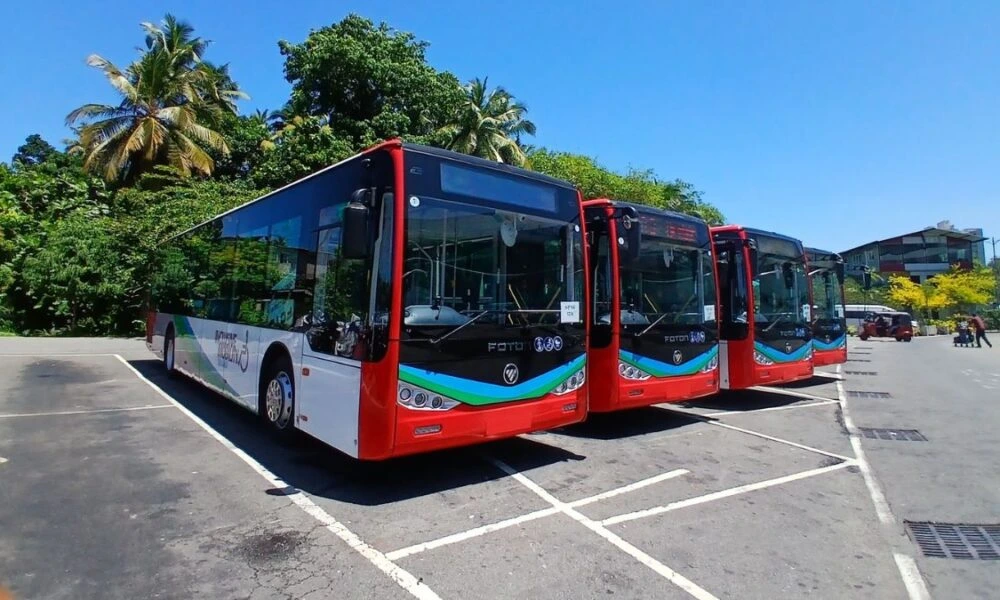
Alternatives emerge: growing EV imports (concessional duties) offer eco-friendly options at relatively lower effective costs. Used car markets thrive, providing budget-friendly choices. Public transport improvements new buses or rail extensions reduce reliance on personal vehicles.
Public feedback in forums or chats reflects adaptation: “Taxes are high, but at least the money stays in the country,” or “Wish for more EV incentives to make it easier.” The revenue’s domestic nature means buyers indirectly invest in public goods, fostering a sense of contribution amid costs.
Broader Benefits: Revenue Supporting Sustainable Growth
The 2025 surge, driven by relaxed import rules post-crisis, shows policy balance: allowing demand while capturing revenue. Funds support fiscal targets, with customs exceeding goals (original Rs. 2.115 trillion, revised Rs. 2.231 trillion, achieved higher). This domestic inflow aids debt management and investments, indirectly benefiting buyers through better infrastructure.
For EV enthusiasts, lower taxes promote green shifts, aligning with global trends. Overall, the system channels buyer spending into national progress, creating a virtuous cycle.
Navigating High Taxes: A Buyer’s Outlook
For Sri Lankans eyeing a car in 2026, the Rs. 904 billion revenue milestone is a reminder of high import taxes’ role in economy. While challenging affordability, it ensures domestic money fuels public needs from roads to schools.
Buyers adapt: researching concessions, choosing efficient models, or exploring financing. Public awareness grows: understanding taxes support shared goals eases the burden.
As families drive new purchases home or plan upgrades, the story is one of balance: personal aspirations meeting national priorities. In a recovering economy, this revenue from domestic spending paves ways for inclusive growth.
Also in Explained | Sri Lanka’s Digital Economy in 2026: Building Public Trust Amid Rapid Growth and Everyday Risks