
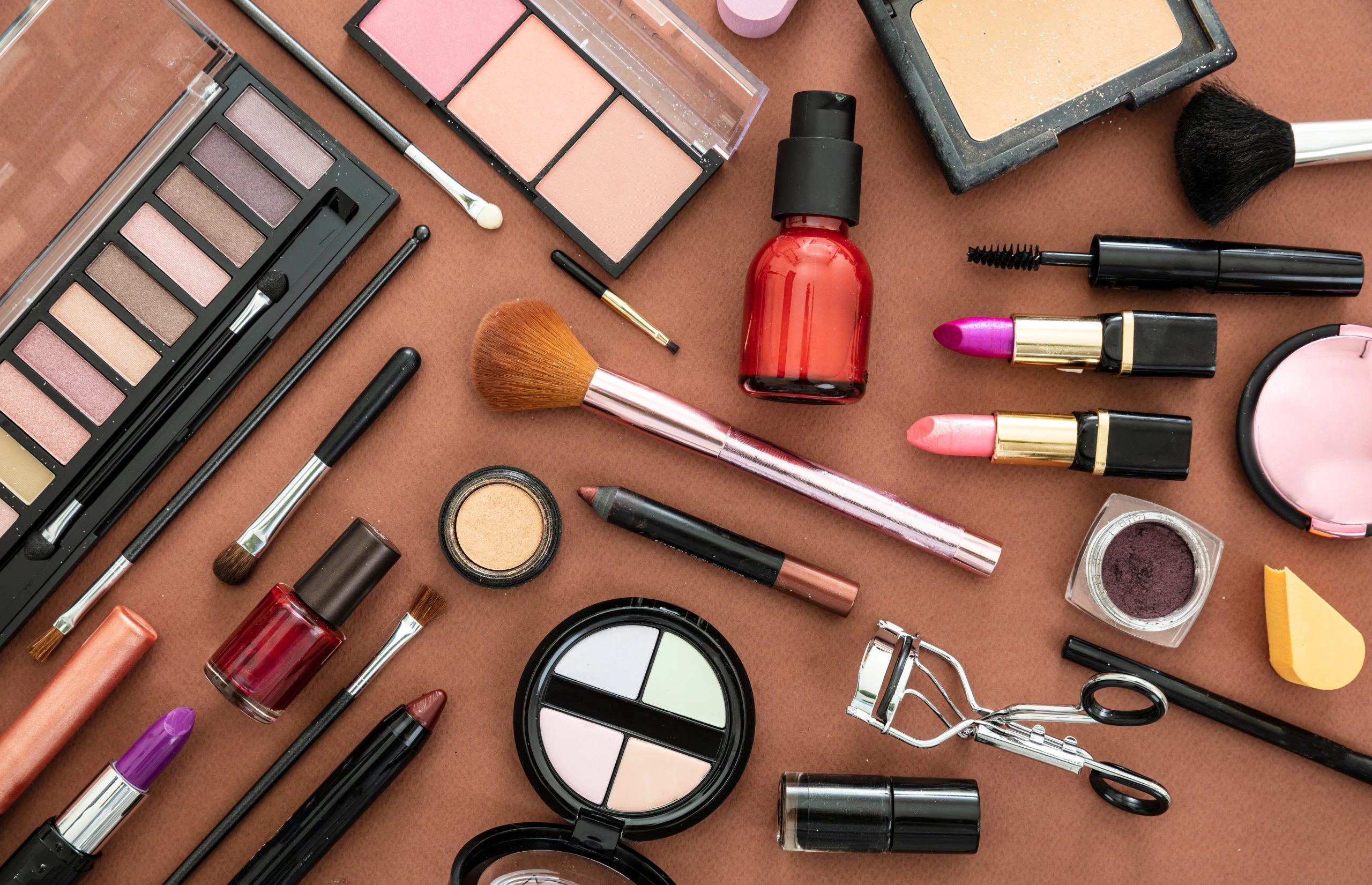
As a regular shopper in Colombo’s bustling markets or online stores, I’ve often reached for that affordable lipstick or face cream with a familiar brand name, thinking it’s a steal. But a nagging doubt creeps in: is this the real deal, or a clever fake? In Sri Lanka, where beauty routines blend tradition with modern trends, cosmetic products are part of daily life for many women enhancing their glow, men grooming for work, or teens experimenting with skincare. Yet, the rise of low-priced “brand name” items raises alarms. Statistics show that more than half of cosmetics used by the public may be illegal or substandard, posing real health risks.
From a public perspective, we prioritize health over bargains. Fake products, often sold cheaply to mimic originals, can harm skin, cause long-term issues, and erode trust in the market. Sellers pushing these know the dangers but prioritize profit, while buyers like us must stay vigilant. This analysis explores why caution is essential, how to spot fakes, the importance of health over revenue from dubious goods, ethical considerations for sellers, and legal actions, all backed by verified data from regulatory and health studies.
Also in Explained | Black Smoke on Sri Lanka’s Roads: The Daily Reality of Transportation Emissions and Air Pollution in 2026
Why Caution is Crucial: The Hidden Dangers of Fake Cosmetics
Cosmetics touch our skin daily, absorbing into our bodies. When they’re fake or substandard, they can contain harmful substances like mercury, lead, or cadmium toxins linked to serious health problems. A study revealed that 76.7% of tested cosmetic products in Sri Lanka contained microplastics, tiny particles that may accumulate and cause inflammation or other issues over time.
Low-price brand name products are particularly risky. Often imported or locally made to imitate originals, they cut corners on ingredients and safety. Mercury in whitening creams, for instance, can lead to kidney and liver damage, with risks extending to unborn children if used during pregnancy. Cadmium in lipsticks has been detected in varying levels, potentially carcinogenic with prolonged exposure. Even plant-based products aren’t always safe if contaminated or mislabeled.
Public experiences reflect this. Many report skin rashes, allergies, or worsening conditions after using bargain buys. In a survey, 46.2% of participants were aware of counterfeit medicines (a related category), yet 5.4% experienced adverse effects, with 89.5% reporting them to authorities. These incidents highlight how fakes undermine confidence, buyers feel betrayed when a “deal” turns damaging.
Globally, substandard products affect one in ten medicines in low- and middle-income countries, a trend extending to cosmetics. In Sri Lanka, the influx of unregistered items endangers public health, contributing to antimicrobial resistance and wasting resources when treatments fail.
For families, the stakes are high. Parents buying creams for teens or lotions for babies worry about long-term effects. As Sri Lankans, our collective health outweighs any short-term savings fake products’ revenue may boost sellers, but at what cost to our well-being?
The Prevalence of Fakes in Low-Price Brand Names
That “designer” lipstick at half price? It’s likely not original. Counterfeit cosmetics flood markets, mimicking packaging and labels but skimping on quality. Low prices lure buyers, especially in economic times, but these items often lack proper formulation, using cheap fillers or banned chemicals.
Data shows counterfeit trade poses threats, with fakes in health-related products scaling harm. In Sri Lanka, raids have seized thousands of fake items, from perfumes to creams, indicating a widespread issue. Unregistered products bypass safety checks, entering via informal channels.
Buyers notice red flags: inconsistent textures, odd smells, or quick fading. Yet many purchase anyway, drawn by affordability. The problem? These fakes don’t deliver benefits and can cause harm; irritation, infections, or chronic conditions.
What to Check When Buying Cosmetics: Essential Steps for Safety
Empowering ourselves starts with smart checks. Here’s what people should verify:
- Batch Code and Expiry – Look for a printed batch code on the packaging. Validate it through trusted databases to confirm manufacturing details and freshness. Expired or mismatched codes signal fakes.
- Barcode Scan – Use apps to scan the barcode; originals match product details, while fakes often don’t.
- Packaging Inspection – Examine labels for spelling errors, poor printing, or mismatched fonts. Originals have clear ingredient lists, manufacturer info, and safety symbols.
- NMRA Approval – Ensure the product is registered with the National Medicines Regulatory Authority. Check for a registration number or certificate unregistered items are illegal.
- Physical Quality – Test texture, scent, and consistency. Originals feel premium; fakes may separate or smell off.
- Seller Credibility – Buy from authorized stores or verified online platforms. Avoid street vendors or untrusted sites offering deep discounts.
- QR Codes or Stickers – Some brands use anti-counterfeit QR codes; scan to verify authenticity.
These steps, combined with awareness, protect health. Regulatory guidelines require comprehensive dossiers, safety assessments, and GMP certificates for imports ensuring compliant products meet standards.
Health Over Profit: Prioritizing Well-Being in the Market
Our people’s health is paramount more important than any revenue from fake products. Substandard cosmetics waste money and endanger lives, contributing to issues like cancer risks from toxins or failed treatments fostering resistance.
Sellers bear responsibility too. As human beings, they should consider the wrong in profiting from harm. Pushing fakes undermines trust, hurting legitimate businesses and communities. Ethical selling stocking verified goods builds loyalty and sustains livelihoods.
Public calls for integrity resonate: buyers deserve safe products, not risks disguised as bargains.
Legal Actions: Enforcement and Consequences
Sri Lanka’s legal framework combats counterfeits robustly. The Intellectual Property Act allows civil and criminal actions, with penalties including up to six months imprisonment or fines up to Rs. 500,000 for first offenses. Injunctive relief, seizure, and destruction of goods provide recourse.
Recent cases demonstrate enforcement: three businessmen fined Rs. 600,000 total for possessing and selling fake perfumes, with courts ordering destruction. Similar actions against counterfeit bearings led to guilty verdicts and goods disposal.
Customs plays a key role, seizing and destroying infringed items under consumer protection units. Border prohibitions on counterfeit trademark goods strengthen defenses.
These measures protect public health, deterring violators while encouraging vigilance.
Empowering Consumers: A Call for Safer Choices
In 2026, as Sri Lankans embrace beauty routines, caution with cosmetics safeguards our well-being. Low-price fakes tempt but risk health check batch codes, packaging, and approvals diligently. Prioritize originals; health trumps savings.
Sellers: choose ethics over quick profits. Legal actions remind us accountability matters.
Together, informed choices and strong enforcement foster a market where beauty enhances, not endangers. As buyers scanning shelves or online carts, we hold power demanding authenticity for healthier tomorrows.
Also in Explained | Sri Lanka’s Agriculture in 2026: Navigating Export Strengths Amid Climate Challenges and Building Resilience