

For thousands of public officers recruited into government service after January 1, 2016, retirement planning has carried a layer of uncertainty. Appointment letters included the note that positions were pensionable but subject to future policy decisions on the applicable scheme. This stemmed from the 2016 Budget proposal to introduce a contributory retirement system, aimed at sustainability. However, no new scheme has been implemented in the intervening years, leaving officers in a transitional state.
Also in Explained | Sri Lanka’s Minimum Wage Revision Effective January 2026: A Welcome Boost for Workers and Key Compliance Notes
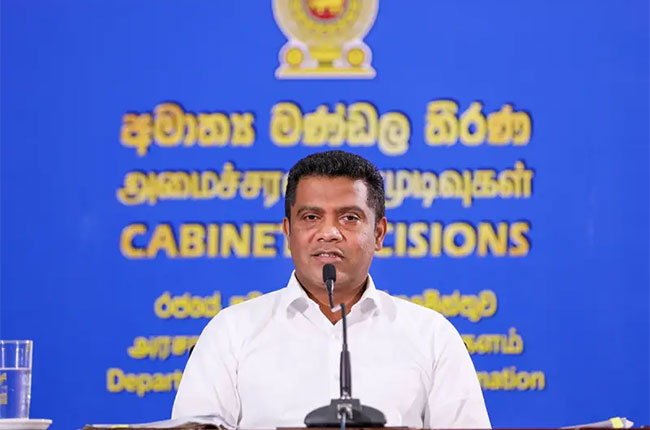
In 2026, this long-standing ambiguity receives welcome resolution. The Cabinet of Ministers has approved a proposal from the Minister of Public Administration, Provincial Councils and Local Governments to amend the relevant provisions in appointment letters. This confirms entitlement to the existing pension scheme for these officers, while requiring contributions to the Widows and Orphans Pension Scheme or Widowers and Orphans Pension Scheme as prescribed.
From a public perspective, this decision brings significant relief. Officers, teachers, health workers, administrators, and others serving communities can now plan retirements with greater confidence. Families discuss futures more assuredly: pensions supporting post-service life, alongside contributions ensuring protection for dependents. This clarity motivates continued dedication in public roles, knowing long-term service yields secure benefits.
Background: The 2016 Provision and Ongoing Transition
The 2016 Budget recognized the need for a modern, sustainable retirement framework for new public servants. Appointment letters reflected this by stating pensionability subject to forthcoming policy. This cautious approach allowed time for designing a contributory model, balancing fiscal responsibility with employee welfare.
Over the years, officers appointed under these terms contributed to national development without a finalized new scheme. The existing non-contributory pension continued for pre-2016 appointees, while post-2016 recruits awaited direction.
Public servants often shared this in conversations: pride in service tempered by questions about retirement adequacy. Many balanced careers with personal savings, hoping for equitable resolution.
The 2026 Cabinet Approval: Key Amendments
The recent Cabinet decision addresses this directly. Appointment letters will be amended to read: “These appointments are pensionable. Furthermore, you should contribute to the Widows and Orphans Pension Scheme / Widowers and Orphans Pension Scheme. You should pay contributions for the same as prescribed by the Government from time to time.”
This confirms access to the established pension framework, removing the “subject to future policy” clause. Contributions to the survivor schemes standard for public service ensure additional safeguards for families.
Circular instructions will guide implementation, ensuring smooth transitions across ministries, departments, and provincial services.
The Ministry of Public Administration oversees rollout, maintaining consistency and fairness.
Impacts on Public Officers and Families
For officers, this means tangible security. Pensions provide reliable post-retirement income, easing transitions after decades of service. Many in mid-career appointed in late 2010s or early 2020s gain peace: contributions deducted systematically, benefits accrued assuredly.
Families benefit too. Survivor schemes protect spouses and children, a vital safety net. Parents serving in education or health fields envision comfortable retirements, perhaps supporting grandchildren’s studies.
Younger recruits feel motivated: clear paths reward commitment. In rural postings or challenging roles, knowing pensions await encourages retention.
Public discussions reflect positivity: “Finally, we can plan without worry,” or “It recognizes our contributions.” This fosters trust in the system, vital for effective public service.
Broader Implications for Public Service
The amendment supports workforce stability. Secure retirements attract talent, ensuring skilled officers in essential areas like administration, education, and healthcare.
It aligns with sustainable practices: contributions fund survivor benefits, sharing responsibility while preserving core pensions.
For the public, stronger service results dedicated officers delivering better outcomes in schools, hospitals, and offices.
Next Steps: Implementation and Awareness
Relevant authorities will issue amended letters and circulars promptly. Officers should review updates, confirm deductions, and seek clarifications through departments.
Awareness ensures smooth adoption: HR units communicating changes, unions supporting members.
This proactive step exemplifies responsive governance addressing long-term needs thoughtfully.
A Foundation for Secure Futures
The 2026 clarification on pension rights marks meaningful progress for public officers appointed after 2016. Confirming existing scheme entitlement, alongside required contributions to survivor funds, provides certainty after years of transition.
For officers and families nationwide, it means planning retirements with assurance pensions honoring service, protections safeguarding loved ones.
In homes discussing careers or workplaces planning ahead, this decision reinforces commitment: fair rewards for public dedication. As Sri Lankans value stable institutions, such measures strengthen the foundation serving citizens through motivated, secure public servants.
Also in Explained | Sri Lanka’s Tea Industry: Achievements, Challenges, and the Path Forward