
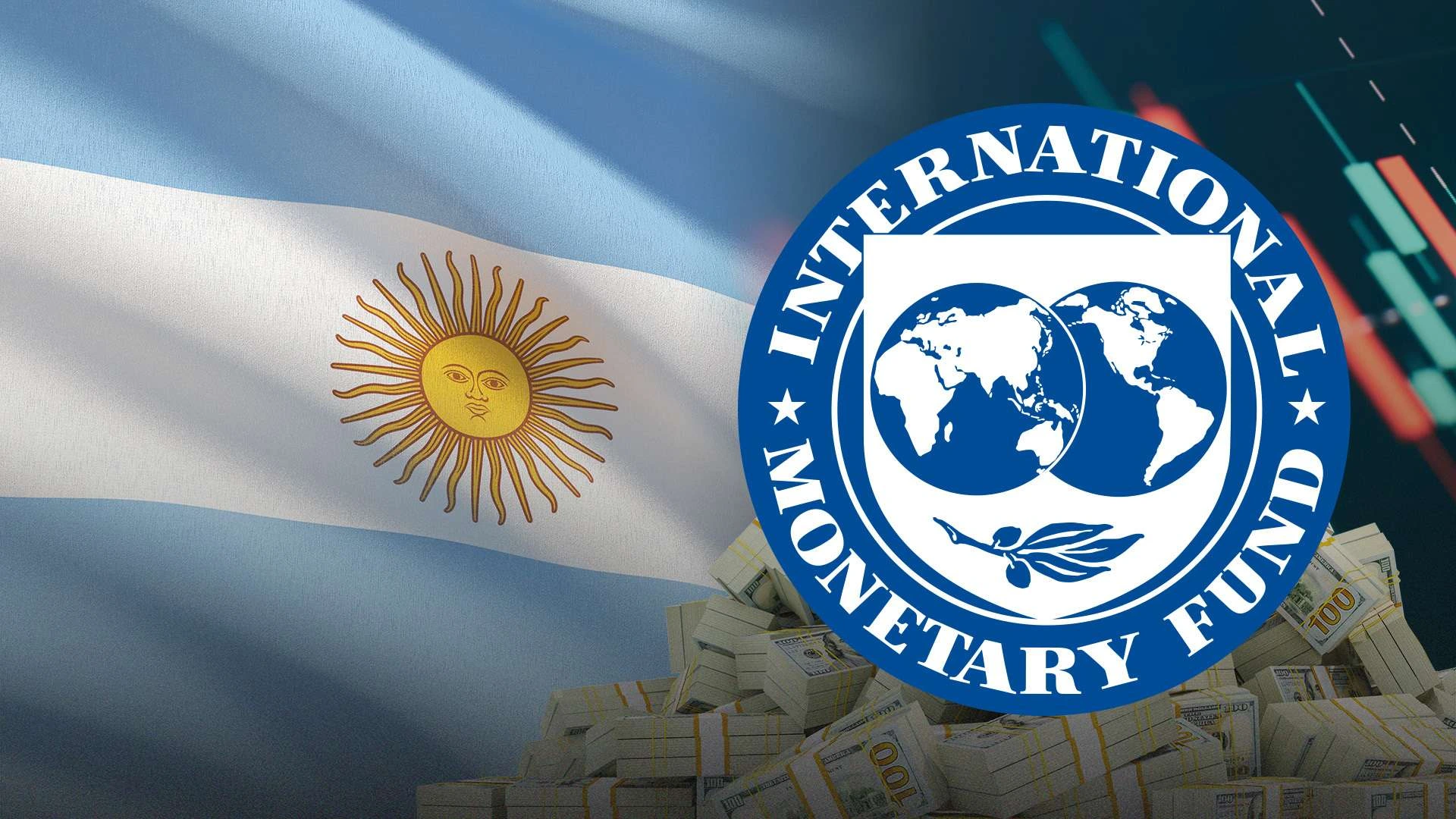
In our previous article, we examined IMF conditionality the policy commitments governments make in exchange for financial support. These conditions are central to how the IMF engages with countries facing economic difficulties. Argentina provides a prominent example of repeated engagement with the IMF, having entered into more arrangements than any other member country.
For ordinary Argentines, a worker facing high living costs, a pensioner affected by subsidy changes, or a small business owner navigating currency restrictions the IMF’s involvement has often coincided with periods of economic turbulence. Over seven decades, IMF programs have offered financial assistance during balance-of-payments crises, but they have also been associated with policy reforms that generate significant debate regarding their economic and social effects.
This article outlines Argentina’s history with the IMF based on verified data: the number and nature of programs, key crises that led to them, implemented policies, observed outcomes, persistent challenges, and resulting discussions.
Also in Explained | How Do the IMF and the World Bank Collaborate?
Argentina’s Economic Background and IMF Membership
Argentina became an IMF member in 1956. Since then, it has entered into 23 financial arrangements with the Fund the highest number for any country. These have primarily been Stand-By Arrangements (SBAs) for shorter-term support and Extended Fund Facilities (EFFs) for deeper structural issues.
The country’s economy has experienced repeated cycles of growth followed by crises, influenced by factors such as commodity price fluctuations, high public spending, capital flow volatility, fiscal deficits, and inflation pressures. These dynamics have frequently resulted in shortages of foreign currency, debt servicing difficulties, and requests for IMF assistance.
Major Phases of IMF Engagement
Argentina’s IMF arrangements span several distinct periods:
- 1950s–1990s: Early Arrangements and Debt Challenges
Initial programs addressed balance-of-payments issues. In the 1980s, multiple arrangements responded to the Latin American debt crisis. During the 1990s, IMF-supported policies included the Convertibility Plan, which fixed the peso to the U.S. dollar. This reduced hyperinflation temporarily and supported growth but contributed to competitiveness losses and rising deficits. - 2001–2002 Crisis and Default
The collapse of the currency peg led to a severe recession, the largest sovereign debt default in history at the time (over $100 billion), sharp rises in poverty and unemployment, and social unrest. Argentina briefly distanced itself from the IMF afterward, fully repaying outstanding debt ahead of schedule in 2006. - 2018 Program
Amid renewed pressures including capital outflows and fiscal imbalances, Argentina secured a Stand-By Arrangement initially for $50 billion, later expanded to $57 billion, the largest in IMF history at the time. The program aimed at fiscal consolidation and monetary tightening but faced implementation challenges and did not prevent further economic contraction. - 2022–Present: Refinancing and New Arrangement
A $44 billion Extended Fund Facility in 2022 refinanced the 2018 obligations. In April 2025, the IMF approved a new 48-month EFF for $20 billion. As of early 2026, this remains the active program, with reviews assessing compliance with targets on reserves, fiscal balances, and inflation.
These 23 arrangements reflect ongoing vulnerabilities despite repeated interventions.
How Programs Have Operated
Programs follow a standard process: government request, negotiation of conditions (fiscal targets, monetary policy adjustments, structural reforms such as subsidy reductions or tax changes), Executive Board approval, and disbursements linked to periodic reviews.
Funding has provided resources for imports, debt payments, and reserve accumulation. Conditions have typically focused on reducing deficits, controlling inflation, and improving debt sustainability, with varying degrees of emphasis on social protections in more recent agreements.
Observed Outcomes
IMF support has had mixed results:
- In certain periods, programs contributed to stabilization: the 1990s Convertibility era reduced inflation dramatically for a time, and post-2002 recovery saw strong growth in the mid-2000s.
- Assistance has supplied liquidity during acute crises, helping avoid immediate defaults or deeper collapses.
- Some reforms have aimed at institutional improvements, such as enhanced fiscal transparency or central bank frameworks.
However, outcomes have often fallen short of sustained resolution:
- Inflation and debt issues have recurred, with Argentina remaining the IMF’s largest debtor (outstanding credit around $57 billion equivalent in late 2025).
- Economic contractions have accompanied several programs, with rises in poverty and unemployment.
- The 2018 program has been described in IMF reviews and external analyses as having design and implementation shortcomings.
Challenges and Criticisms
Repeated engagements highlight several persistent issues:
- Recurring Crises: Despite 23 programs, structural vulnerabilities such as dependence on commodity exports, fiscal imbalances, and exposure to external shocks have not been fully addressed.
- Policy Implementation: Political changes across administrations have sometimes led to reversals of reforms, affecting program continuity.
- Social and Economic Impacts: Fiscal adjustments and subsidy reforms have frequently involved short-term costs, including reduced public spending, higher utility prices, and increased poverty rates. Critics argue these measures can exacerbate inequality and slow recovery.
- Program Design: Some analyses point to over-reliance on austerity, insufficient attention to growth drivers, or inadequate adaptation to local conditions in earlier arrangements.
- Debt Burden: While loans address immediate needs, repayments add to obligations, contributing to a cycle of borrowing.
External observers, including civil society groups, have raised concerns about sovereignty implications and the effectiveness of conditionality in achieving long-term stability.
Changes in IMF Approach
The IMF has adjusted its lending framework over time, including:
- Streamlined conditionality with fewer structural benchmarks.
- Incorporation of social spending protections.
- Greater flexibility during shocks.
Recent programs have reflected these shifts, though debates persist on their adequacy.
A Balanced Assessment
Argentina’s extensive history with the IMF illustrates the Fund’s role as a lender of last resort in a globally interconnected financial system. Programs have provided critical financing during crises and supported policy efforts toward macroeconomic stability.
At the same time, the repetition of arrangements 23 since membership indicates that underlying economic challenges have persisted, with mixed success in breaking cycles of instability. Outcomes have depended on domestic policy consistency, external conditions, and program design.
For citizens, these engagements have meant access to resources in difficult times but also exposure to reform-related adjustments with varying social consequences.
Broader Implications
The case raises questions relevant to international finance: the balance between crisis response and preventive measures, the design of conditionality, and the management of debt sustainability in emerging economies.
As Argentina continues under its current EFF in 2026, the experience underscores the complexities of achieving durable economic resilience through international cooperation.
Also in Explained | Why Does the IMF Use Conditionality?