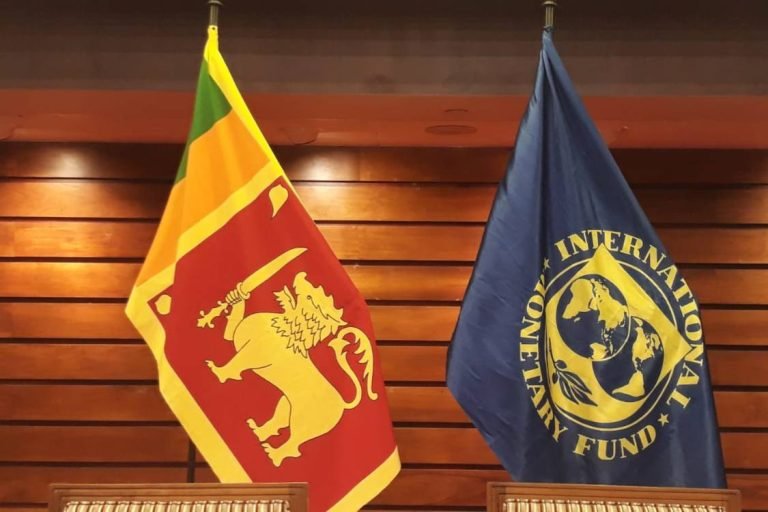

In our previous article, we examined Argentina’s extensive history with the IMF as an example of long-term engagements. Now, we turn to a timely development in Sri Lanka’s ongoing relationship with the Fund: the IMF staff mission that concluded on January 28, 2026, following discussions on the impact of Cyclone Ditwah.
For ordinary Sri Lankans families rebuilding after flood damage, farmers assessing lost crops, workers worried about rising costs, or small business owners facing disrupted supply chains a natural disaster like Cyclone Ditwah adds new pressures to an economy already on a path to recovery. The IMF’s Extended Fund Facility (EFF) program, in place since 2023, has been supporting macroeconomic stability and reforms. This recent visit focused on understanding the cyclone’s effects and how to integrate disaster response into the existing arrangement without derailing hard-won progress.
This article explains the mission’s purpose, key findings, discussions held, commitments expressed, and next steps all based on the official IMF statement issued at the end of the visit.
Also in Explained | Why Has Argentina Had the Most IMF Programs in History?
Background: Cyclone Ditwah and Sri Lanka’s Economic Context
Cyclone Ditwah struck Sri Lanka in early January 2026, bringing severe weather that caused widespread damage. Infrastructure, homes, and livelihoods were affected, particularly in vulnerable communities. The disaster came at a time when the country was making strides under the EFF: rebuilding reserves, reducing inflation, advancing debt restructuring, and implementing fiscal reforms.
Natural disasters pose immediate challenges repair costs, lost revenue, and increased social needs while threatening broader stability. The IMF visit, led by mission chief Mr. Evan Papageorgiou from January 22 to 28, aimed to assess these impacts and explore supportive measures within the EFF framework.
Purpose and Scope of the Mission
The team engaged authorities and stakeholders to gauge the cyclone’s economic and social toll. This included damage to infrastructure (roads, power, water systems) and loss of livelihoods (agriculture, fisheries, tourism-related jobs).
Discussions covered:
- The fiscal response: How to fund reconstruction and relief without undermining budget discipline.
- Implications for monetary policy: Maintaining price stability amid potential supply shocks.
- Financial sector stability: Ensuring banks and institutions remain sound.
- Policy intentions: Forward-looking plans, financing needs, and tailored IMF support for recovery under the EFF.
The mission emphasised collaboration, holding in-depth meetings to align disaster response with ongoing reforms.
Key Meetings and Engagement
The IMF team met a wide range of officials and groups, reflecting broad consultation:
- Top government leaders, including President and Finance Minister Anura Kumara Dissanayake, Prime Minister Dr. Harini Amarasuriya, and Labor Minister and Deputy Minister of Finance Prof. Anil Jayantha Fernando.
- Central Bank of Sri Lanka Governor Dr. P. Nandalal Weerasinghe and other senior officials.
- Treasury Secretary Dr. Harshana Suriyapperuma and Senior Economic Advisor to the President Mr. Duminda Hulangamuwa.
Beyond government, discussions included private sector representatives, civil society organisations, and development partners. This inclusive approach ensures diverse perspectives inform policy adjustments.
The IMF expressed appreciation for the “excellent collaboration” during the visit.
Authorities’ Commitments Highlighted
A central message from the mission was the government’s determination to protect progress made under the EFF. As rebuilding begins, authorities reaffirmed commitments to:
- Safeguard gains in fiscal and debt sustainability.
- Strengthen public investment management, including reprioritising projects and improving implementation.
- Ensure transparent spending in line with the Public Financial Management Act.
- Bolster social safety nets to protect the poor and vulnerable, who bear the brunt of the cyclone’s impact.
These pledges aim to balance immediate relief with long-term discipline, preventing setbacks in areas like revenue collection, governance reforms, and debt management.
Implications for the EFF Program
The visit underscored the IMF’s flexibility in responding to shocks. While the cyclone introduces new financing needs, the focus remains on integrating recovery efforts into the EFF without compromising core targets.
The IMF reaffirmed solidarity with Sri Lanka, readiness to support macroeconomic stability, resilience-building, and sustainable growth. This includes helping address reconstruction while protecting vulnerable groups through enhanced social spending.
Next Steps Announced
The mission was preliminary and will not lead to an immediate Executive Board discussion. However, the IMF plans to send another team “at the earliest possible juncture” to resume talks on policies for the next formal EFF review.
This upcoming review will likely assess overall program progress, incorporate cyclone-related adjustments, and determine any disbursements. Success depends on continued implementation of reforms and transparent handling of disaster funds.
A Balanced Perspective
The January 2026 visit highlights both challenges and opportunities. Cyclone Ditwah has disrupted lives and added fiscal pressures at a sensitive recovery stage. Yet the authorities’ stated commitments to fiscal prudence, transparency, and social protection signal intent to stay the course.
For citizens, this means potential continued access to IMF resources for stability, alongside targeted aid for affected communities. Effective reprioritisation could direct funds to critical infrastructure, boosting long-term resilience.
Challenges remain: disasters can strain budgets, and implementation must match commitments to avoid delays in reviews or disbursements. Civil society and private sector input during the visit emphasises the need for inclusive, accountable recovery.
The IMF’s supportive stance provides breathing room, but outcomes hinge on domestic execution transparent spending, protected safety nets, and balanced growth priorities.
The Broader Role of IMF Engagement
In an era of frequent climate-related shocks, this mission illustrates how the IMF adapts to unforeseen events within ongoing programs. For Sri Lanka, it reinforces the EFF as a framework not just for crisis resolution but for building resilience.
Ordinary people benefit indirectly: stable policies can help control inflation, preserve jobs, and ensure aid reaches those in need. As discussions resume, close monitoring of progress will be key to translating commitments into tangible improvements.
The visit ends on a note of partnership, with the IMF ready to assist in safeguarding stability amid adversity.
Also in Explained | How Do the IMF and the World Bank Collaborate?