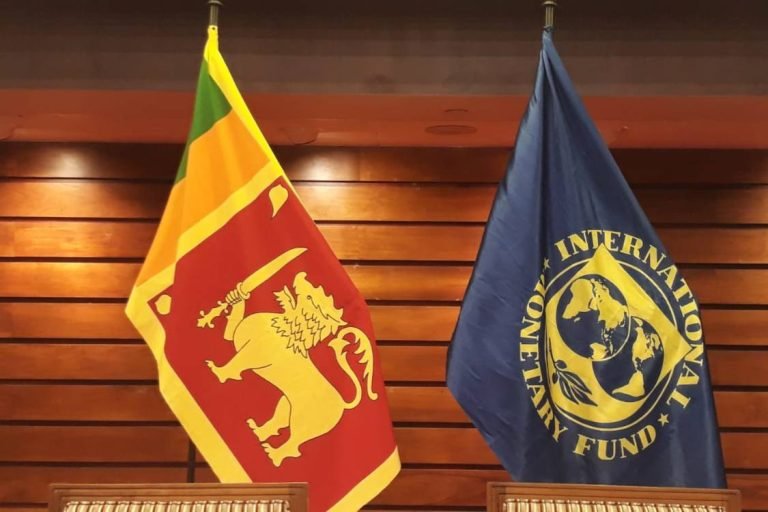

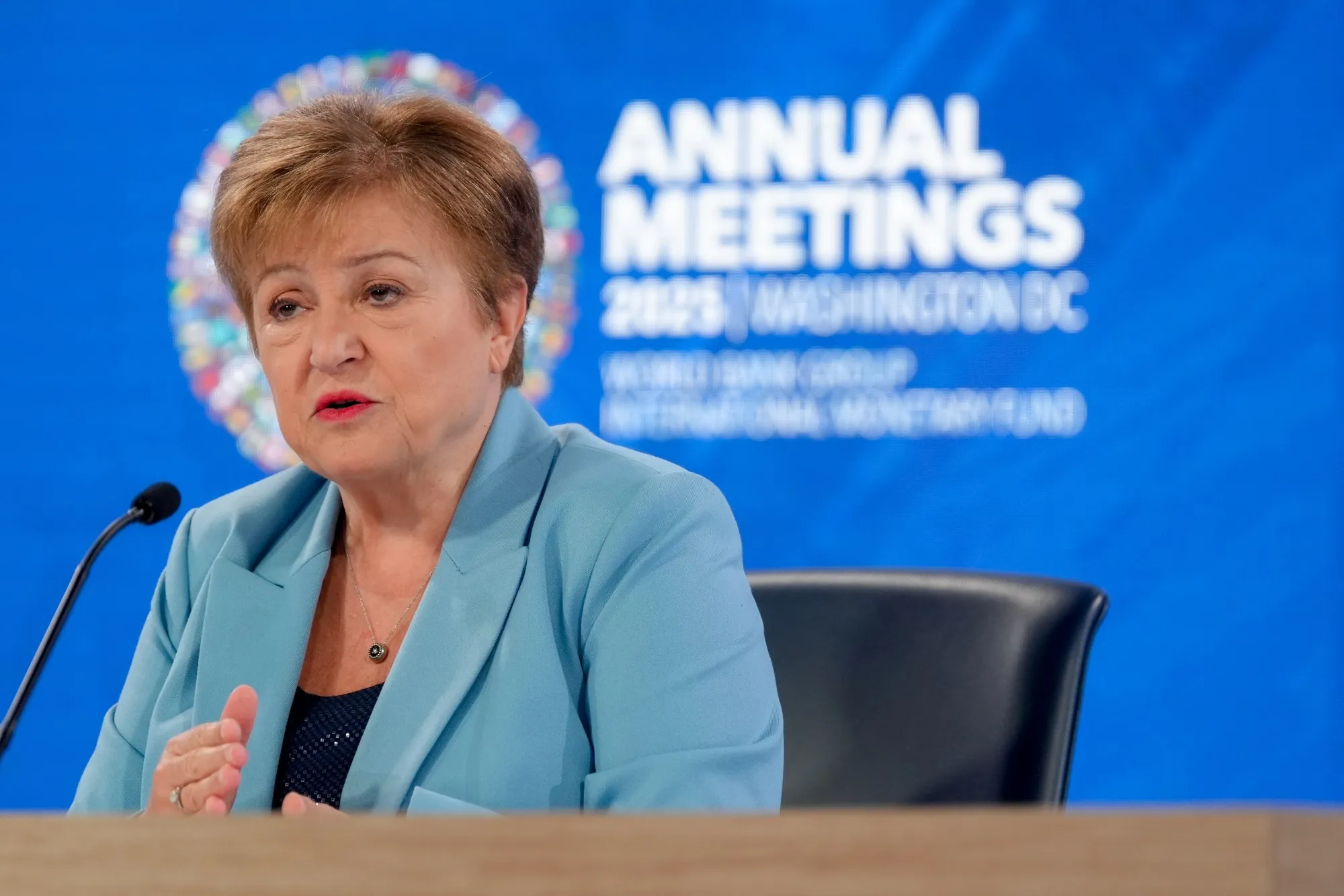
In our previous article, we detailed the IMF staff mission’s January 2026 visit to assess the economic and social impacts of Cyclone Ditwah and related flooding. That mission highlighted the authorities’ commitments to safeguarding program gains while addressing disaster needs. Building on those discussions, a higher-level engagement has been announced: IMF Managing Director Kristalina Georgieva is expected to visit Colombo in February 2026.
For everyday Sri Lankans families repairing homes after floods, farmers rebuilding livelihoods, workers hoping for stable prices, or small businesses seeking predictable policies this visit by the Fund’s top official signals continued international attention to the country’s recovery. It comes amid ongoing implementation of the Extended Fund Facility (EFF), efforts to manage post-disaster challenges, and broader reforms.
This article examines the announcement, its context, stated purposes, potential discussions, and implications all drawn from official statements and reports.
Also in Explained | What Did the IMF Conclude from Its January 2026 Visit to Sri Lanka?
The Announcement and Timing
The planned visit was revealed on January 28, 2026, during a meeting between IMF Asia and Pacific Department Director Krishna Srinivasan and President Anura Kumara Dissanayake. Srinivasan, on his fourth trip to Sri Lanka, stated: “Our Managing Director will be coming to Colombo next month. She will be here both to look at the success of the programme and to express the solidarity we have with you.”
Multiple Sri Lankan media outlets reported the news consistently, noting the visit as part of a broader Asia tour. Exact dates have not been publicly specified, but it is anticipated in February 2026. The timing follows the recent staff mission and aligns with a large IMF delegation already in the country for a pre-scheduled regional meeting, which proceeded despite the disaster as a show of support.
Context: Sri Lanka’s Ongoing EFF and Recent Shocks
Sri Lanka’s EFF, approved in 2023, supports macroeconomic stabilisation, debt restructuring, revenue mobilisation, governance improvements, and social protections. Progress has included reserve rebuilding, inflation reduction, and reform advancements, though external shocks like commodity fluctuations and natural disasters continue to test resilience.
The January 2026 cyclone and flooding caused infrastructure damage, livelihood losses, and additional fiscal pressures. Srinivasan, having traveled outside Colombo for the first time during his visit, observed the impacts firsthand: “I saw for the first time the impact of natural disaster. I saw flooding. I saw roads which need to be repaired. Our sympathies are with you and with the people of Sri Lanka for the lives lost and for the impact of the disaster.”
He added: “We are with you. Our full support is with you.”
These events underscore the visit’s dual focus: reviewing program achievements and addressing unforeseen challenges.
Stated Purposes of the Visit
According to Srinivasan’s remarks, the Managing Director’s trip has two main objectives:
- Review program success: Assessing advancements under the EFF, including fiscal discipline, debt sustainability, governance reforms, and economic recovery indicators.
- Express solidarity: Demonstrating IMF support following the natural disasters, particularly for affected communities and reconstruction efforts.
Srinivasan also highlighted public appreciation for government actions: “There’s huge appreciation for what the government has done for the people, notably in the area of governance reform.”
The visit reflects the IMF’s commitment at the highest level, potentially reinforcing confidence among authorities, markets, and citizens.
Likely Meetings and Discussions
While a detailed itinerary has not been released, high-level visits typically involve:
- Meetings with the President, Prime Minister, Finance Minister, and Central Bank Governor.
- Engagements with Treasury and economic officials.
- Possible interactions with private sector representatives, civil society, and development partners.
Topics may include:
- Integration of disaster response into the EFF framework, such as reprioritising investments or adjusting fiscal paths.
- Progress toward upcoming program reviews and potential disbursements.
- Strengthening social safety nets for vulnerable groups disproportionately hit by the cyclone.
- Long-term resilience measures, including climate-related considerations.
Such direct dialogue at the Managing Director level can facilitate nuanced adjustments while maintaining reform momentum.
Implications for Sri Lanka’s Economy and Citizens
A visit by Kristalina Georgieva the first by an IMF Managing Director in recent years carries symbolic and practical weight:
- Boost to confidence: Positive signals about program progress could support market stability, currency resilience, and investor sentiment.
- Focus on recovery: Emphasis on solidarity may help secure flexible handling of disaster-related spending, ensuring aid reaches affected areas without derailing targets.
- Reform reinforcement: Discussions could underscore commitments to transparency, public investment efficiency, and inclusive growth.
For ordinary people, outcomes matter most in tangible terms: controlled inflation preserving purchasing power, protected social spending for the poor, timely infrastructure repairs creating jobs, and policies fostering sustainable opportunities.
Srinivasan noted ongoing staff engagements for the next review, suggesting the visit could inform those talks.
A Balanced View
High-level IMF visits provide opportunities for direct communication and calibration but also spotlight the challenges of balancing short-term needs with long-term discipline. The emphasis on both “success” and “solidarity” indicates recognition of achievements alongside empathy for external shocks.
Success depends on implementation: transparent disaster fund use, sustained reforms, and inclusive decision-making. Public and stakeholder input remains crucial for ownership and effectiveness.
In a context of climate vulnerability and economic rebuilding, such engagements highlight international partnership offering resources and expertise while requiring accountability.
Looking Ahead
As February 2026 approaches, details of the visit may emerge. It follows a pattern of intensified IMF interaction, from staff missions to regional gatherings, underscoring Sri Lanka’s place in global discussions.
For citizens, the visit represents a moment of high-level attention: potential affirmation of progress and support amid adversity. Effective follow-through on commitments from both sides will determine lasting benefits for stability and growth.
The announcement reinforces the IMF’s stated readiness to accompany Sri Lanka through recovery and reform.
Also in Explained | Why Has Argentina Had the Most IMF Programs in History?