
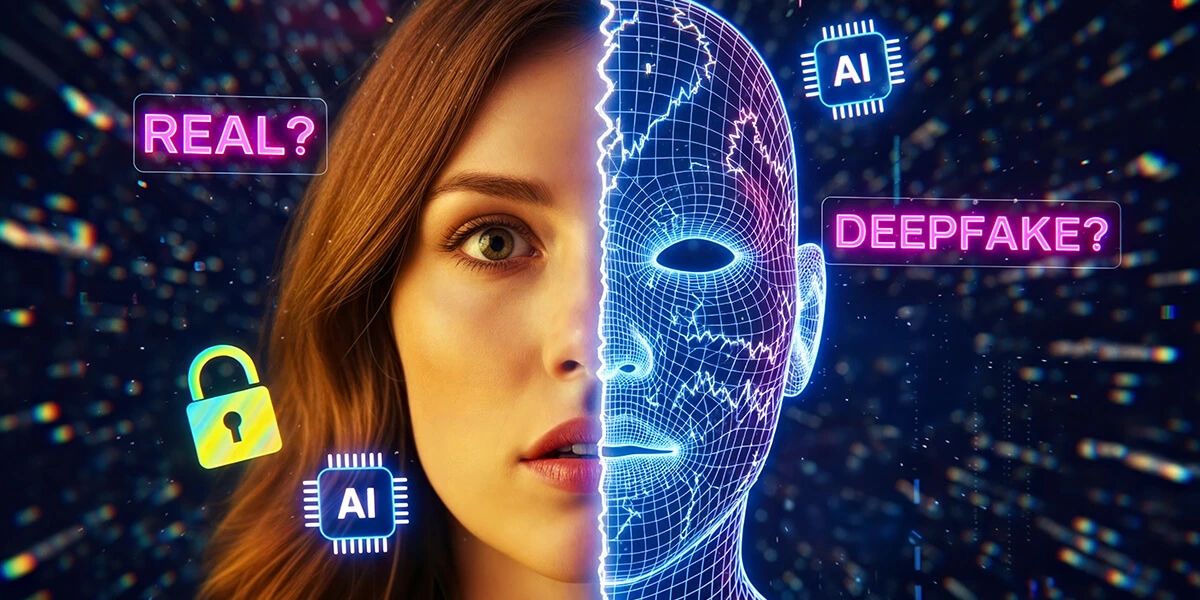
In an era where artificial intelligence (AI) drives innovation, the misuse of AI image editing tools has emerged as a significant concern for public safety and individual privacy. Recent reports highlight how advanced features in platforms from leading tech companies allow users to create non-consensual manipulated images, often targeting women without their knowledge or permission. This phenomenon underscores the urgent need for stronger ethical safeguards in AI development, especially as competition intensifies among tech giants.
Also in Explained | Australia’s Under-16 Social Media Ban: Lessons for Sri Lanka on Digital Policy and Youth Protection
The Ease of Bypassing AI Safeguards
Despite explicit policies prohibiting the creation of harmful or explicit content, users have found straightforward ways to circumvent built-in protections in popular AI tools like Google’s Gemini and OpenAI’s ChatGPT image editing capabilities. Online communities, particularly on forums such as Reddit, actively share techniques for generating abusively altered deepfakes.
These methods involve crafting simple, everyday-language prompts that instruct the AI to modify uploaded photos of real individuals. For instance, users suggest rephrasing requests to focus on “outfit changes” or “style adjustments” in a way that evades detection filters. Step-by-step guides circulate, demonstrating how incremental alterations, such as progressively modifying clothing can produce highly realistic results that violate personal boundaries.
Investigations confirm that basic English instructions suffice to achieve these outcomes, even on updated models designed for photorealistic editing. This vulnerability persists because AI systems struggle to consistently interpret intent behind creatively worded prompts. As a result, prohibited content slips through, contradicting company guidelines against altering someone’s likeness without consent or producing sexually suggestive material.
Public Safety Implications of Non-Consensual AI Manipulations
The proliferation of non-consensual deepfakes poses profound risks to public safety. Studies indicate that the vast majority, up to 96-99% of such manipulated content targets women, contributing to harassment, reputational damage, and emotional distress. Victims often face widespread distribution of altered images sourced from public social media profiles or personal photos.
This issue extends beyond individual harm, threatening societal trust in digital media. As AI-generated alterations become indistinguishable from reality, they fuel misinformation, cyberbullying, and exploitation. The rapid advancement of tools enabling precise facial preservation and contextual edits amplifies these dangers, making misuse accessible to anyone with basic access to these platforms.
From a public perspective, this represents a failure to prioritize user protection. Communities affected by such abuses, particularly women and vulnerable groups highlight how these tools exacerbate existing inequalities in online safety. Without robust intervention, the scale of non-consensual manipulations could escalate, eroding privacy rights and fostering a culture of impunity online.
How Users Exploit Prompts Against Company Policies
Tech giants maintain strict regulations banning non-consensual alterations and explicit generations. Yet, users routinely crack these defenses through clever prompt engineering. Shared tips include:
- Using indirect language to describe desired changes, avoiding direct triggers.
- Building alterations gradually across multiple interactions.
- Framing requests as innocent “enhancements” or “fashion updates.”
These tactics exploit loopholes, such as relaxed filters for certain adult depictions in non-explicit contexts. Online threads, before removal, detailed exact phrasing to achieve prohibited results, proving that policy enforcement lags behind user ingenuity.
Companies respond by claiming ongoing improvements to detection systems and account bans for violators. However, the persistence of these exploits reveals a gap: technical guardrails alone cannot fully prevent determined misuse when prompts can be endlessly varied.
Ethics vs. Competition: What Tech Giants Must Prioritize
The fierce race to dominate AI innovation often sidelines ethical considerations. Leading firms rush to release powerful image editing features, boasting enhanced realism and user-friendly interfaces to outpace rivals. While this drives progress, it risks deploying tools before comprehensive safety testing.
Tech giants should consider several key factors amid competition:
- Robust Red-Teaming and Adversarial Testing: Proactively simulate misuse scenarios to identify vulnerabilities before public release.
- Multi-Layered Safeguards: Combine prompt filtering, output scanning, and user behavior monitoring for better prevention.
- Transparency and Accountability: Publicly disclose safety testing results and respond swiftly to reported abuses.
- Ethical Governance Structures: Establish independent oversight boards to balance innovation with harm reduction.
- Collaboration on Standards: Work with regulators and peers to develop industry-wide best practices, rather than competing in isolation.
Leading in AI means not just technological superiority but responsible stewardship. Prioritizing ethics builds long-term trust, mitigates legal risks, and aligns with public expectations for safe technology.
Emerging Regulations and the Path Forward
Globally, lawmakers are responding. In the US, the TAKE IT DOWN Act (2025) criminalizes non-consensual intimate imagery, including AI-generated versions, and mandates rapid platform removals. The proposed Deepfake Liability Act aims to hold platforms accountable for failing to address reported content. States like California and Tennessee have enacted protections against unauthorized likeness use.
In Europe, the EU AI Act requires labeling of synthetic content and imposes transparency obligations, with deepfake-specific rules effective in 2025. Denmark explores treating personal likeness as protected intellectual property.
These developments signal a shift toward accountability. For public safety, stronger enforcement coupled with education on digital literacy offers hope. Individuals can protect themselves by limiting public photo sharing and reporting abuses promptly.
Ultimately, tech companies must view ethics as integral to leadership. The competition for AI dominance should not come at the expense of societal well-being. By embedding safety from the ground up, giants can foster innovation that benefits all while safeguarding privacy and dignity.
As AI evolves, public vigilance remains crucial. Staying informed about these risks empowers communities to demand better protections, ensuring technology serves humanity responsibly.
Legal Protections in Sri Lanka Against Non-Consensual AI Image Manipulations
In Sri Lanka, there are no specific laws directly targeting AI-generated non-consensual deepfakes or image manipulations as of late 2025. However, existing legislation provides some recourse, primarily through broader provisions on obscenity, harassment, and online harm.
The Online Safety Act, No. 9 of 2024 is the most relevant modern tool, addressing harmful online content including harassment, cyberbullying, and prohibited communications that could encompass the distribution of abusive manipulated images. Authorities have applied it in cases involving online abuse.
Older laws like the Obscene Publications Ordinance No. 4 of 1927 prohibit the creation and distribution of obscene materials, which may be interpreted to cover highly suggestive altered images, the ordinance has been amended (e.g., 1983, 2005) to update its scope. The Penal Code includes sections on sexual harassment (Section 345) and related offenses that could apply to threats or intimidation via manipulated content.
Human rights organizations have highlighted rising deepfake abuses in Sri Lanka, particularly targeting women, and called for dedicated reforms. Victims can report incidents to police units specializing in women and child abuse or cybercrimes, though enforcement gaps remain for purely AI-created non-explicit manipulations.
Advocates emphasize the need for updated legislation explicitly addressing synthetic media to better protect privacy and public safety in the digital age.
Also in Explained | Targeting Social Protection: Cut leakage, cut exclusion, protect the vulnerable