
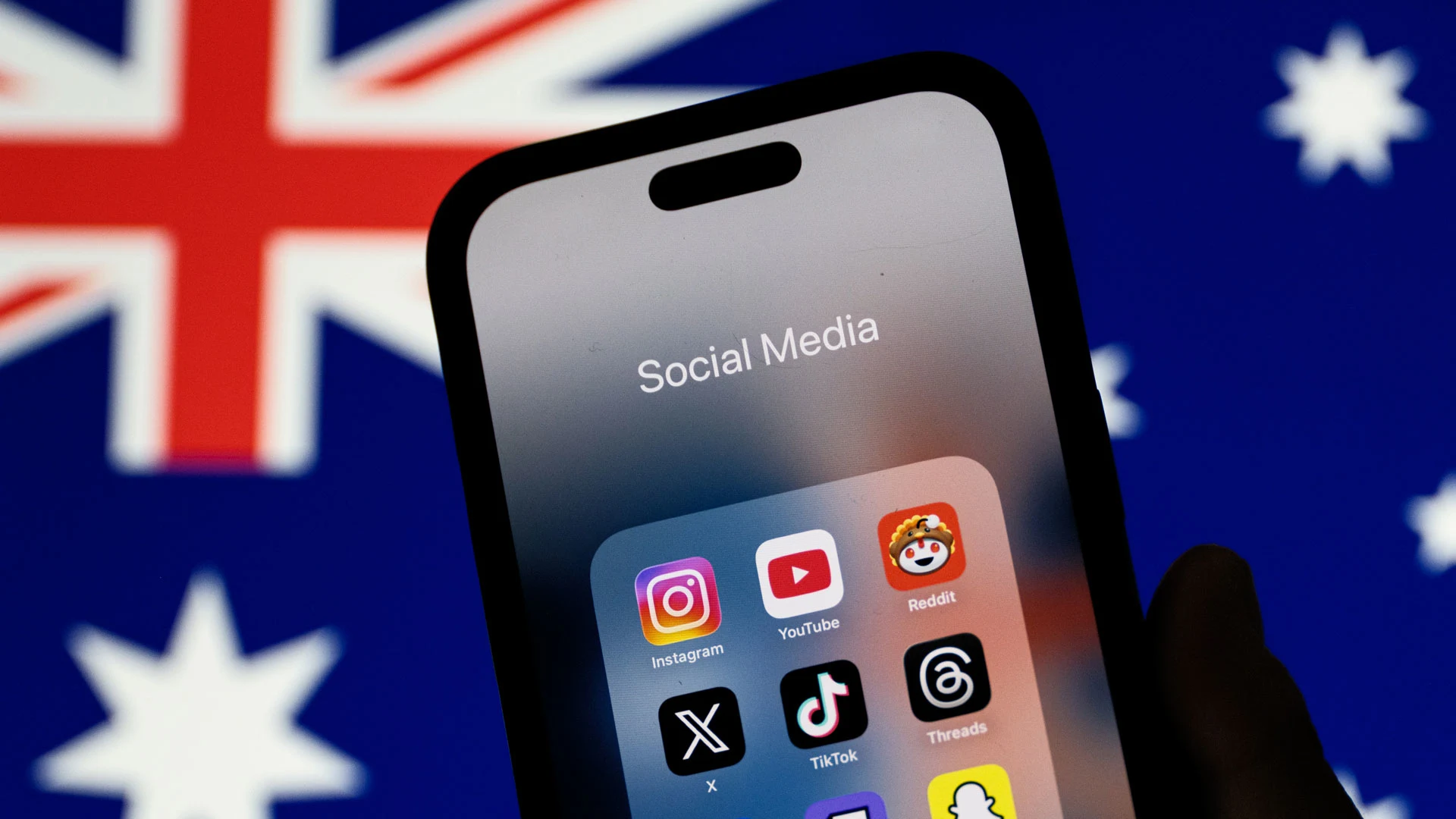
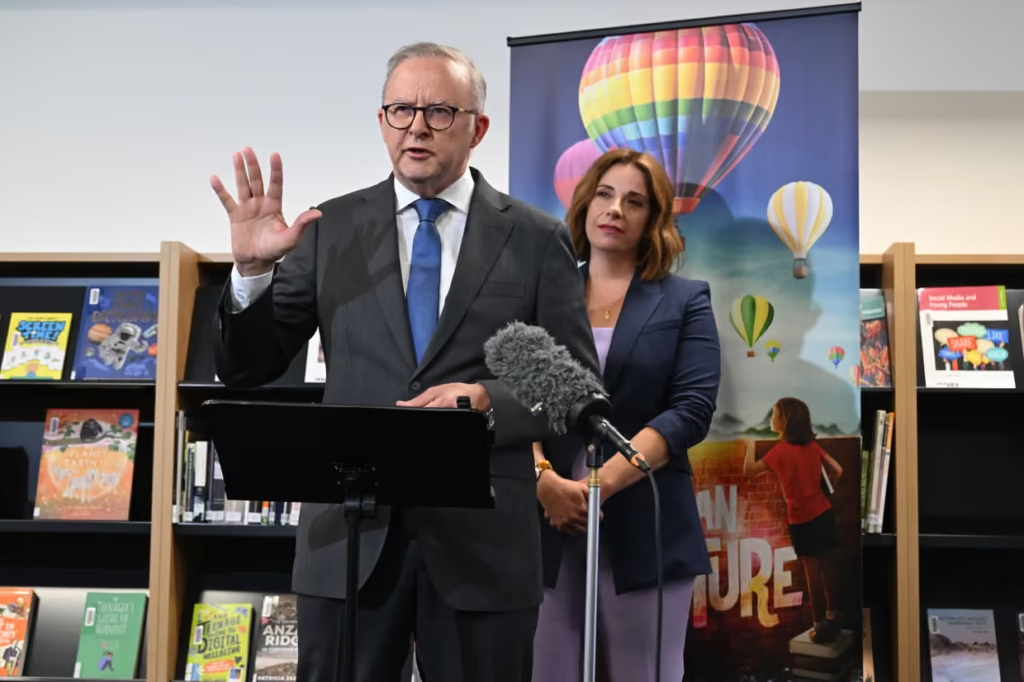
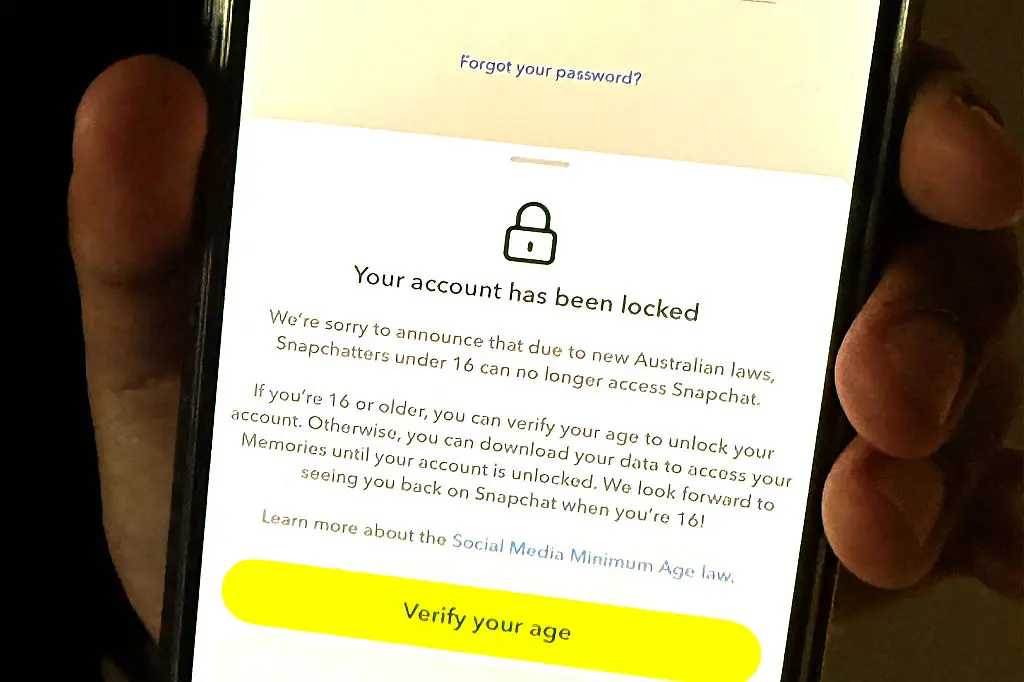
On December 10, 2025, Australia became the first country in the world to enforce a nationwide ban on social media use for children under 16. Platforms including TikTok, Instagram, Facebook, YouTube, Snapchat, Reddit, Twitch, and Threads are now legally required to block accounts belonging to minors. Companies face fines of up to A$49.5 million (USD $33 million) if they fail to comply.
The ban has been described by Prime Minister Anthony Albanese as one of the most significant social and cultural reforms in decades, aimed at protecting children’s mental health, reducing exposure to harmful content, and curbing addictive online behaviors.
This article analyzes how Australia intends to achieve enforcement, explores the challenges and loopholes, and provides a guide for Sri Lanka where digital media use among youth is rising rapidly.
How the Ban Will Be Achieved
Australia’s law requires age-verification systems across major platforms. Ten of the largest apps have been ordered to adopt measures that can reliably confirm a user’s age before granting access.
Key enforcement mechanisms include:
- Mandatory age checks: Platforms must integrate verification tools, potentially using government-issued IDs, biometric scans, or third-party verification services.
- Account removal: Existing accounts identified as belonging to under-16 users must be deleted.
- Penalties: Non-compliance can result in fines up to A$49.5 million.
- Monitoring: Australia’s eSafety Commissioner will oversee compliance, with powers to audit and penalize platforms.
This approach shifts responsibility from parents to tech companies, making them legally accountable for keeping children off their platforms.
Why Australia Took This Step
The ban follows years of debate about the impact of social media on children’s mental health. Studies cited by policymakers show links between excessive social media use and anxiety, depression, cyberbullying, and poor sleep patterns.
Parents and child advocates welcomed the move, arguing that it provides relief from the pressures of online life. Critics, however, warn that enforcement may be difficult and could raise privacy concerns.
Alternative Ways Teens Could Bypass Restrictions
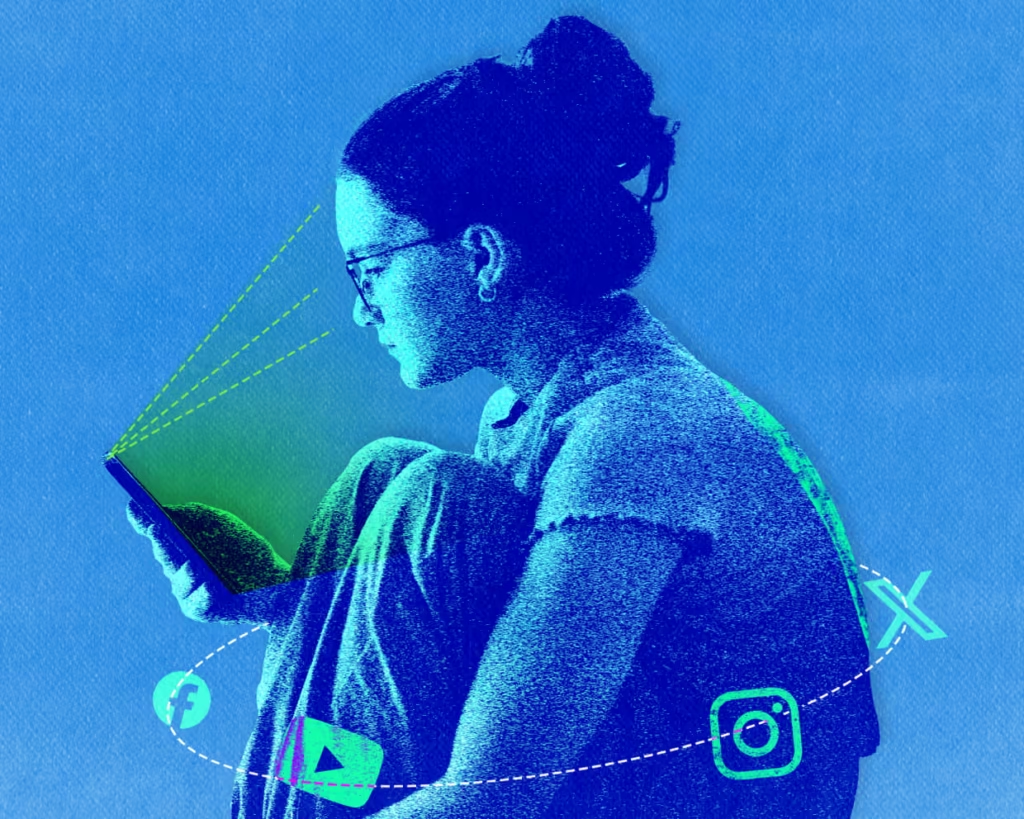
Despite strict laws, teenagers are resourceful. If governments do not anticipate loopholes, bans may be undermined. Potential bypass methods include:
- VPNs and proxy servers: Teens could mask their location and age to access restricted platforms.
- Borrowed IDs: Using parents’ or older siblings’ identification for verification.
- Alternative apps: Migrating to lesser-known platforms not yet covered by the ban.
- Encrypted messaging services: Apps like Telegram or Discord may become substitutes for banned platforms.
- Offline sharing: Peer-to-peer file transfers and gaming networks could replace social media interactions.
Australia’s challenge will be to close these gaps without over-policing or infringing on privacy.
Also in Explained | Sri Lanka’s Proposed Smartphone Ban for Minors: Intervention or a Misguided Move?
Guide for Sri Lanka: What Can Be Learned
Sri Lanka has not yet considered a similar ban, but the Australian model offers lessons:
- Balance Protection with Access
Sri Lanka must weigh child safety against digital literacy. Social media is also a tool for education, activism, and community building. A blanket ban may protect mental health but risks excluding youth from positive online opportunities.
- Strengthen Digital Literacy Programs
Instead of outright bans, Sri Lanka could invest in school-based digital literacy, teaching children how to navigate online spaces safely.
- Parental Controls and Community Awareness
Encourage parents to use monitoring tools and set boundaries. Awareness campaigns can highlight risks without removing access entirely.
- Targeted Regulation
Sri Lanka could regulate harmful content such as cyberbullying and explicit material rather than banning platforms outright. Partnerships with tech companies could ensure age-appropriate filters.
- Consider Enforcement Realities
Sri Lanka’s digital infrastructure may not support large-scale age verification. Privacy concerns must be addressed before implementing ID-based systems.
Comparing Australia and Sri Lanka
- Policy: Australia has implemented a nationwide ban under 16, while Sri Lanka currently has no age-based restrictions.
- Enforcement: Australia uses age verification with fines up to A$49.5 million, while Sri Lanka relies on parental guidance.
- Platforms: Australia bans TikTok, Instagram, YouTube, Facebook, Snapchat, Reddit, Twitch, and Threads. Sri Lanka allows full access for all ages.
- Risks: Australia faces challenges with VPNs, borrowed IDs, and alternative apps. Sri Lanka deals with overuse, cyberbullying, and misinformation.
- Opportunities: Australia prioritizes mental health protection and cultural shift. Sri Lanka has opportunities in digital literacy and community engagement.
Risks of Adopting a Ban in Sri Lanka
- Digital Divide: Rural children may lose access to educational resources.
- Privacy Concerns: ID verification could expose sensitive data.
- Enforcement Costs: Monitoring compliance would require significant investment.
- Youth Resistance: Teens may find ways around restrictions, undermining trust in government policy.
Conclusion
Australia’s under-16 social media ban is a world-first experiment in digital regulation, designed to protect children from online harms. Its success will depend on effective enforcement and the ability to close loopholes.
For Sri Lanka, the lesson is clear: while protecting youth is essential, outright bans may not be practical. Instead, digital literacy, parental engagement, and targeted regulation could provide a balanced path forward. Governments must also anticipate alternative ways teens might bypass restrictions, ensuring that policies are realistic and adaptable.
As Sri Lanka navigates its own digital future, the Australian example offers both inspiration and caution a reminder that protecting children online requires innovation, vigilance, and respect for their rights.
Also in Explained | Social Media and Digital Communication: Transforming Disaster Relief in Sri Lanka