
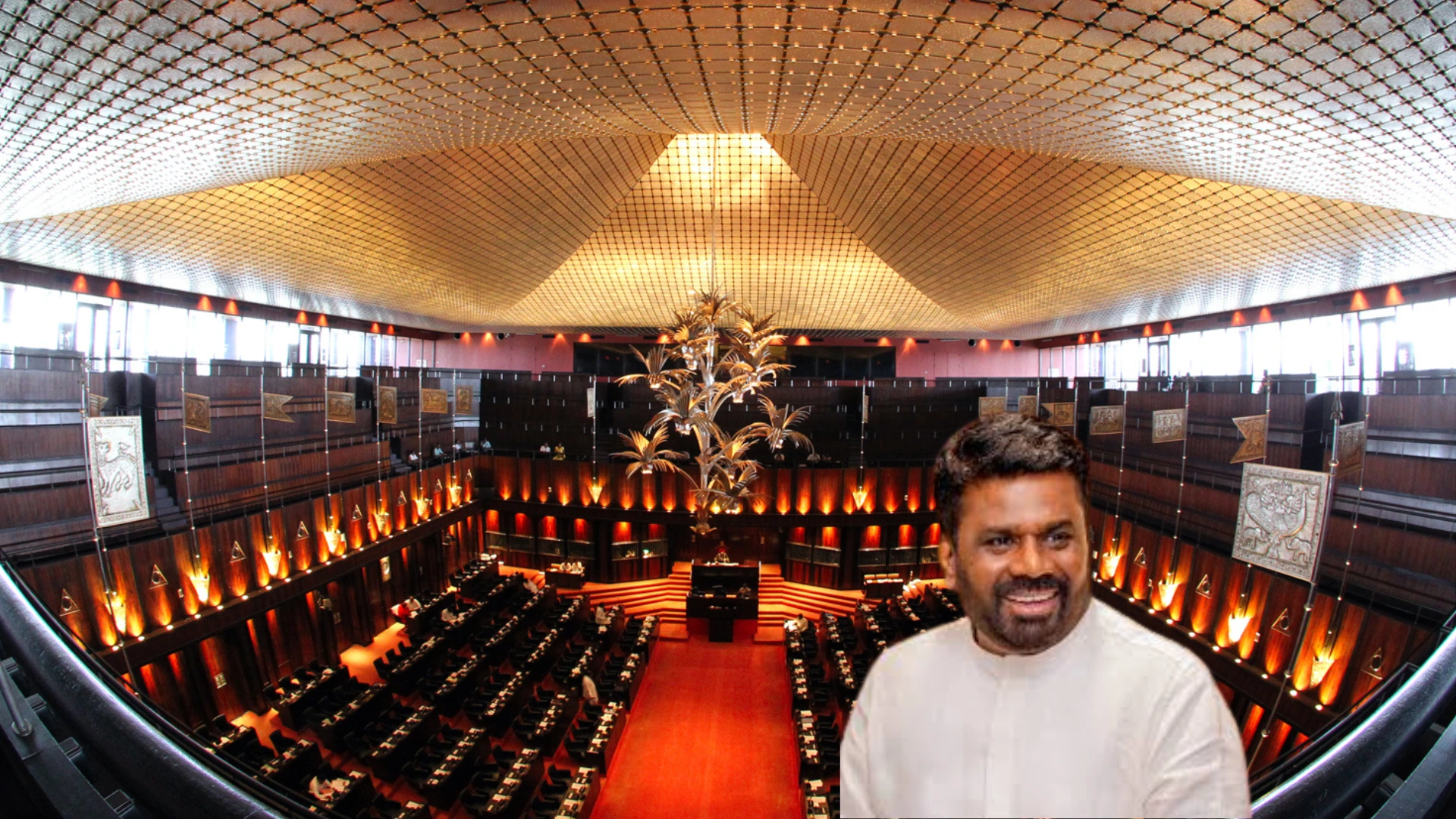
A comprehensive analysis of how the government’s second national budget will impact everyday life, livelihoods, and the future of average Sri Lankans
As Sri Lanka presents its Budget 2026, the critical question for millions of ordinary citizens isn’t about GDP percentages or debt ratios it’s simpler and more urgent: Will life become more affordable? Will jobs be available? Can families send their children to school without struggle? Can the elderly live with dignity? This analysis cuts through the economic jargon to examine what this budget truly means for the average Sri Lankan family.
The Cost of Living: Relief or False Hope?
For Sri Lankan families still reeling from the 2022 economic collapse, the budget’s claim that “inflation has returned to positive territory” offers limited comfort. While stabilized inflation is better than hyperinflation, prices of essentials remain significantly higher than pre-crisis levels. The average household knows that rice, dhal, vegetables, cooking gas, electricity, and transport costs haven’t returned to affordable levels.
The government highlights economic growth of 4.8 percent in early 2025, but growth statistics mean little when ordinary people struggle to make ends meet. The real question is whether this growth translates into lower food prices, stable fuel costs, and affordable healthcare areas where most families feel economic pressure daily.
The stabilization of the exchange rate and interest rates benefits those with savings and loans, but for daily wage earners and low-income families living hand-to-mouth, these improvements remain abstract. What matters more is whether the prices at the local pola (market) and cooperative shop decrease, and whether electricity bills become manageable again.
Jobs and Livelihoods: Can Young People Find Work?
Perhaps the most encouraging statistic for ordinary Sri Lankans is the unemployment rate declining from 4.5 percent to 3.8 percent. For families with educated youth struggling to find employment, this suggests some improvement. However, the nature of these jobs matters enormously.
Are these stable, formal sector jobs with benefits and career progression? Or are they informal, low-wage positions without security? The budget doesn’t provide this crucial detail. For parents who sacrificed to educate their children, the question isn’t just whether jobs exist, but whether those jobs offer dignity and a path to prosperity.
The increase in workers’ remittances from USD 4.8 billion to USD 5.8 billion reflects the contribution of Sri Lankan migrant workers supporting families back home. While this growth is positive, it also highlights a painful reality: many Sri Lankans must leave their families and seek opportunities abroad because domestic employment doesn’t provide adequate income.
For a nation that prides itself on education and skilled workers, reliance on foreign employment represents both economic necessity and lost domestic potential. The budget should address why talented Sri Lankans must migrate for opportunities and how to create equivalent jobs locally.
Social Protection: Help for Those Who Need It Most
The expansion of the Aswesuma welfare program, with reformed criteria to support genuinely low-income families, represents a lifeline for the most vulnerable. The government’s commitment to reviewing beneficiaries in 2026 and ensuring only deserving families receive assistance addresses concerns about the program’s targeting.
For elderly citizens, increased allowances provide some relief, though whether these amounts adequately cover rising healthcare and living costs remains questionable. The increased support for kidney patients acknowledges the devastating financial burden chronic illness places on families a burden that often pushes middle-class families into poverty.
The expansion of Mahapola scholarships and allowances for school supplies directly addresses education costs that force many parents into debt. For families choosing between feeding children and buying school books, these allowances, though modest, can make a meaningful difference.
However, the fundamental question remains: Are these allowances sufficient, or merely symbolic gestures? Can an elderly person genuinely live with dignity on the government allowance? Can scholarship amounts truly cover educational expenses? The budget provides increases but doesn’t address adequacy.
Education: Investing in the Next Generation
Education represents hope for most Sri Lankan families the pathway for children to achieve better lives than their parents. The budget’s focus on providing allowances for school supplies acknowledges the reality that even “free” education comes with significant costs.
However, the budget doesn’t adequately address deeper educational challenges: overcrowded classrooms, teacher shortages, inadequate facilities, and the growing gap between government school quality and private education. For parents unable to afford private schooling or tuition classes, the question is whether government schools can provide competitive education.
The expansion of university scholarships through Mahapola helps students from low-income families access higher education, but with limited university placements and increasing competition, most students still face uncertain futures despite strong academic performance.
Healthcare: Can Families Afford to Get Sick?
While the budget mentions increased support for kidney patients, it largely overlooks healthcare challenges facing ordinary families. The economic crisis severely impacted the health system, with medicine shortages and deteriorating facilities forcing many to seek expensive private care.
For average families, illness represents potential financial catastrophe. A hospitalization can wipe out savings or push families into debt. The budget’s silence on strengthening public healthcare, ensuring medicine availability, and reducing out-of-pocket health expenses represents a significant gap.
The increased allowances for patients with chronic conditions like kidney disease help but don’t address the broader healthcare crisis. Can a diabetic reliably access insulin? Can a heart patient receive necessary treatment without selling property? These questions remain unanswered.
Rural Development: Hope Beyond Colombo
The budget’s emphasis on rural development and transforming villages into prosperous communities addresses a fundamental inequality: the concentration of opportunities in urban areas, particularly Colombo. For the majority of Sri Lankans living outside major cities, this focus offers hope.
The commitment to modern infrastructure, productive economy promotion, and improved education and health facilities in rural areas could reduce the migration of young people to cities and abroad. However, similar promises have been made repeatedly without substantial results.
Rural families need more than infrastructure, they need markets for their products, fair prices for agricultural output, access to credit without exploitative interest rates, and opportunities beyond traditional farming. The budget’s rural development plan must address these practical needs, not just build roads and buildings.
Digitalization: Progress or Exclusion?
The budget’s emphasis on digitalization as a growth driver, with projections of a target revenue USD 15 billion digital economy, sounds impressive. But for ordinary Sri Lankans, particularly older citizens and those in rural areas, rapid digitalization raises concerns.
Will government services becoming digital exclude those without smartphones, internet access, or digital literacy? Will banking and payment systems becoming cashless disadvantage the elderly and rural poor? Will job markets increasingly require digital skills that older workers don’t possess?
Progress shouldn’t leave people behind. The budget discusses digital infrastructure but doesn’t adequately address digital inclusion, ensuring all citizens can benefit from, not be excluded by, technological advancement.
Public Sector Employment: Jobs for the Connected?
The three-phase salary increase for public servants provides relief to government employees, many from middle-income families. However, the commitment to filling “essential vacancies” raises a familiar concern: will recruitment be merit-based and transparent, or will positions go to those with political connections?
For young people seeking stable government employment, the recruitment process’s fairness matters enormously. In a society where “who you know” often matters more than “what you know,” transparent, competitive recruitment would represent genuine reform.
Fighting Corruption: Will It Really Change?
The budget’s strong rhetoric on anti-corruption measures resonates with ordinary citizens who bear corruption’s costs. When officials demand bribes for basic services, when government procurement favors cronies, when politicians accumulate wealth while people suffer, corruption isn’t an abstract concept but a daily injustice.
The commitment to digital asset declaration systems, strengthening CIABOC (Commission to Investigate Allegations of Bribery or Corruption), and removing unnecessary privileges for politicians and officials sounds promising. However, Sri Lankans have heard similar promises before without seeing corrupt officials genuinely held accountable.
The quote in the budget “Corruption is a tax on the poor, and it is a fetter on our development” is profound. But words must translate into action. Will powerful officials actually face consequences? Will ordinary citizens be able to access government services without paying bribes? Will transparency genuinely improve?
Debt and Future Generations: Paying for Past Mistakes
While the budget celebrates reducing central government debt from 114.2 percent of GDP in 2022 to a projected 96.8 percent by 2026, ordinary citizens understand the human cost. Debt reduction comes through higher taxes, reduced government spending, and austerity all affecting living standards.
The budget addresses concerns about the 2028 debt payments, but for average families, the relevant question is simpler: Will my children inherit a bankrupt nation, or can we achieve genuine economic recovery? Will decades of future government revenue go to foreign creditors rather than education, healthcare, and development?
The government’s optimism about economic recovery “by the end of 2025” challenges the prediction of a “lost decade” following the crisis. Ordinary Sri Lankans hope this optimism is justified, but they’ve learned to judge based on lived experience rather than official pronouncements.
Export Growth: Does It Benefit Workers?
The increase in exports from USD 8.5 billion to USD 9.1 billion represents progress, but for garment workers, tea plantation laborers, and others in export industries, the question is whether this growth translates into better wages and working conditions.
Export growth that benefits factory owners while workers struggle with low wages and difficult conditions represents hollow progress. The budget should address whether export industries provide decent livelihoods or merely exploit cheap labor.
The Capital Market Boom: Wealth for Whom?
The budget celebrates the stock market’s dramatic rise the All Share Price Index increasing from 11,855 to 21,779 points. Market capitalization expanded from Rs. 4.4 trillion to Rs. 7.8 trillion. These are impressive numbers, but what do they mean for ordinary people?
Stock market gains primarily benefit wealthy investors and those with savings to invest. For families living paycheck to paycheck, unable to save let alone invest, stock market performance is irrelevant. This highlights a crucial question: Is economic recovery benefiting all Sri Lankans, or primarily the already wealthy?
Housing and Living Conditions: The Unaddressed Crisis
Notably, the budget excerpts provided largely ignore housing a critical concern for ordinary families. Urban housing costs remain unaffordable for most, while rural housing often lacks basic facilities. Youth postpone marriage due to housing unavailability, families live in overcrowded conditions, and many lack secure tenure.
The absence of substantial housing initiatives in this budget represents a significant oversight. Affordable housing isn’t a luxury, it’s fundamental to family stability and wellbeing.
Food Security: Can Families Eat?
While the budget discusses economic growth and export diversification, it doesn’t adequately address food security can ordinary families afford adequate, nutritious food? The economic crisis forced many families to reduce meal frequency, compromise nutritional quality, and struggle with food insecurity.
Government policy should prioritize making basic foods affordable, supporting local agriculture, and ensuring no Sri Lankan goes hungry. The budget’s silence on food security strategies is concerning.
The Reality Check of Budget 2026: Promises vs. Lived Experience
For ordinary Sri Lankans, budget credibility depends on past experience. Previous governments made similar promises about economic growth, poverty reduction, and improved living standards that didn’t materialize. The massive gap between political rhetoric and citizens’ daily struggles has created profound skepticism.
This budget’s success won’t be measured by GDP growth percentages or debt ratios but by whether:
- A mother can afford to feed her children three nutritious meals daily
- A young graduate can find meaningful employment without migrating abroad
- An elderly person can access healthcare without financial devastation
- A farmer receives fair prices for crops without exploitative middlemen
- A family can save money rather than merely surviving month-to-month
- Children can attend quality schools regardless of family wealth
- Government services are accessible without bribes or political connections
The Verdict: Cautious Hope, Demanding Accountability
Budget 2026 presents some positive elements: unemployment reduction, welfare program expansion, support for students and the elderly, anti-corruption commitments, and rural development focus. These measures, if genuinely implemented, could improve ordinary citizens’ lives.
However, significant concerns remain. The budget’s benefits may not reach those most in need due to implementation failures, corruption, and bureaucratic inefficiency. Economic growth may not translate into improved living standards for average families. Social protection measures may be insufficient for genuine security. Promised reforms may remain rhetoric without substance.
For ordinary Sri Lankans, the appropriate response is cautious hope combined with vigilant accountability. Demand that politicians fulfill promises, insist on transparency in program implementation, hold officials accountable for corruption, and judge based on actual improvements in daily life, not statistics.
The economic crisis taught Sri Lankans that their wellbeing cannot be taken for granted and that political promises often prove hollow. Budget 2026 represents either a genuine pathway to recovery or another disappointment. The next year will reveal which.
Ordinary citizens must remain engaged, informed, and demanding. After all, this budget is funded by their taxes, their sacrifices, and their labor. They deserve a government that genuinely serves their interests, not merely claims to do so.
Stay informed about how national policies affect your daily life. Follow CeylonPublicAffairs.com for analysis that prioritizes ordinary citizens’ perspectives over political rhetoric and economic jargon.