
The debate on the role of central banks in addressing fiscal pressures has resurfaced globally, particularly in economies grappling with high public debt. A common suggestion during periods of rising debt and interest burdens is for central banks to cut policy rates primarily to reduce government borrowing costs. This approach may appear pragmatic in the short term, offering immediate relief on debt servicing. However, it carries significant risks: if markets perceive monetary policy as subordinated to fiscal needs rather than focused on inflation control and employment, central bank credibility erodes. This can unanchor inflation expectations, leading to higher long-term borrowing costs and potential instability.
Lower interest rates can indeed ease short-run financing pressures for governments. Yet, when policy shifts are seen as driven by budget deficits rather than economic fundamentals, the trade-off becomes severe. Credibility the cornerstone of effective monetary policy weakens, making it harder to manage inflation. Once lost, restoring trust is costly and time-consuming, often requiring sharper rate hikes later that exacerbate economic pain. Historical episodes, such as in emerging markets during debt crises, illustrate this: attempts to monetize deficits or indirectly finance governments through low rates have frequently led to inflationary spirals and currency depreciation.
Also in Explained | Public-Private Partnerships: Catalyzing Sri Lanka’s National Growth and Export Industries in 2026
The core principle is clear: fiscal challenges demand fiscal solutions. Sustainable responses include improving spending efficiency, strengthening revenue collection through fair taxation, and implementing structural reforms to boost growth. Pressuring monetary authorities to shoulder fiscal burdens undermines their ability to maintain price stability a mandate that benefits the entire economy, especially vulnerable households facing rising costs.
Global Context and Lessons
Internationally, central bank independence is widely regarded as essential for macroeconomic stability. Institutions like the IMF and World Bank emphasise that blurring lines between monetary and fiscal policy invites risks. For instance, in advanced economies, independent central banks have successfully anchored low inflation since the 1980s-1990s reforms. In contrast, cases where governments influenced rate decisions for debt management such as in some Latin American countries in past decades often resulted in higher inflation and debt burdens.
Data supports this: A 2023 IMF study on central bank independence across 100+ countries found that higher independence correlates with lower average inflation (around 2-3% points less) and more stable growth, without compromising employment outcomes. When independence is compromised, long-term sovereign borrowing costs rise by 100-200 basis points on average, per various econometric analyses.
Sri Lanka’s Experience: From Past Mistakes to Strengthened Independence
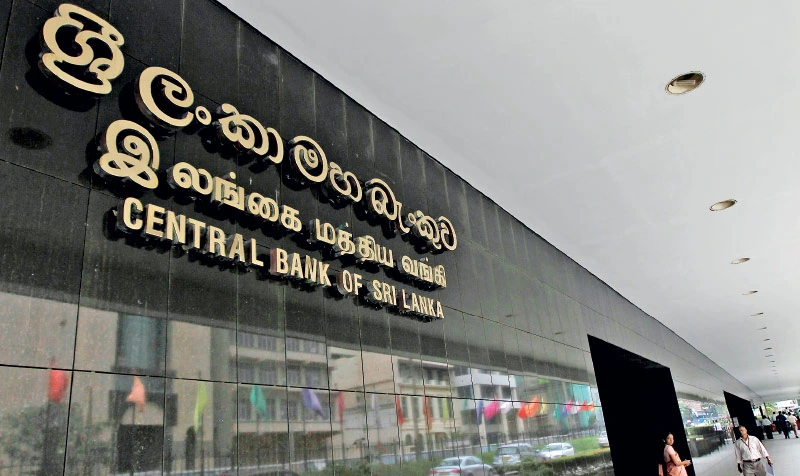
Sri Lanka provides a stark real-world example of the dangers highlighted in this debate. Prior to the 2022 economic crisis, the Central Bank of Sri Lanka (CBSL) engaged in significant direct and indirect financing of government deficits, including large-scale purchases of government securities. This contributed to monetary expansion, currency depreciation, and hyperinflation peaking at over 70% in September 2022. Debt servicing became unsustainable, with public debt exceeding 100% of GDP, leading to default and profound public hardship increased poverty, shortages, and social unrest.
Recognising these lessons, reforms were prioritised. The new Central Bank of Sri Lanka Act (No. 16 of 2023), enacted under the IMF-supported Extended Fund Facility programme, markedly strengthened independence. Key provisions include:
- Prohibition on primary market purchases of government securities (with limited exceptions for liquidity management).
- A clear primary mandate of price stability via flexible inflation targeting (5% medium-term target, with ±2% tolerance in some interpretations).
- Enhanced accountability through parliamentary reporting and governance structures.
Since these changes, the CBSL has adhered closely to its mandate. In 2025, the bank eased its accommodative monetary policy stance, reducing market interest rates amid subdued inflationary pressures (inflation remained below target for much of the year). This supported private sector credit expansion and economic recovery, with GDP growth sustaining momentum. However, these actions were explicitly data-driven and aimed at anchoring inflation expectations while fostering sustainable growth not primarily to lower government borrowing costs.
The CBSL’s Policy Agenda for 2026 and Beyond, released in January 2026, reiterates this commitment: monetary policy remains focused on the 5% inflation target, with transparency measures like public reports on deviations and advance release calendars. Rate decisions are guided by post-crisis modelling improvements and high-frequency data, ensuring responses to economic conditions rather than fiscal pressures. Government fiscal consolidation praised in the agenda complements this, reducing reliance on monetary accommodation.
Sri Lanka is thus not pursuing rate cuts mainly for fiscal relief. Instead, easing occurred in a low-inflation environment to support recovery, while maintaining credibility. This approach has yielded results: inflation moderated significantly post-2022, reserves rebuilt to over US$6.8 billion by end-2025, and private sector activity expanded. Recent PMI data for December 2025 shows strong growth (Manufacturing 60.9, Services 67.9), reflecting positive sentiment without inflationary overheating.
Public Policy Challenges and the Path Forward
For public affairs in Sri Lanka, preserving central bank independence is crucial amid ongoing challenges. Public debt remains elevated (around 100% of GDP post-restructuring), and interest payments consume significant budget resources. Temptations to seek monetary easing for short-term fiscal gains could resurface during political cycles or external shocks.
Yet, the 2022 crisis underscored the costs of compromising independence: loss of investor confidence, capital outflows, and hardship for citizens. Sustainable public finance requires fiscal discipline revenue mobilisation (e.g., via tax reforms targeting 15% of GDP), efficient spending on social protection and infrastructure, and growth-enhancing reforms in education, digitalisation, and exports.
Public institutions play a vital role here. Parliamentary oversight of CBSL reports ensures accountability without interference. Civil society and media can advocate for transparency, while education on macroeconomic basics helps build public support for independent policy.
In conclusion, while lowering rates to ease government borrowing may offer temporary relief, it risks eroding the credibility that underpins long-term stability. Sri Lanka’s post-crisis reforms demonstrate a commitment to avoiding this pitfall, focusing monetary policy on price stability and fiscal efforts on structural solutions. This balanced approach protects public welfare, safeguards against inflation’s regressive impacts on the poor, and lays foundations for inclusive growth. As global debates continue, Sri Lanka’s experience serves as a reminder: credibility is the true asset for economic resilience.
Also in Explained | Sri Lanka’s Agriculture in 2026: Navigating Export Strengths Amid Climate Challenges and Building Resilience