
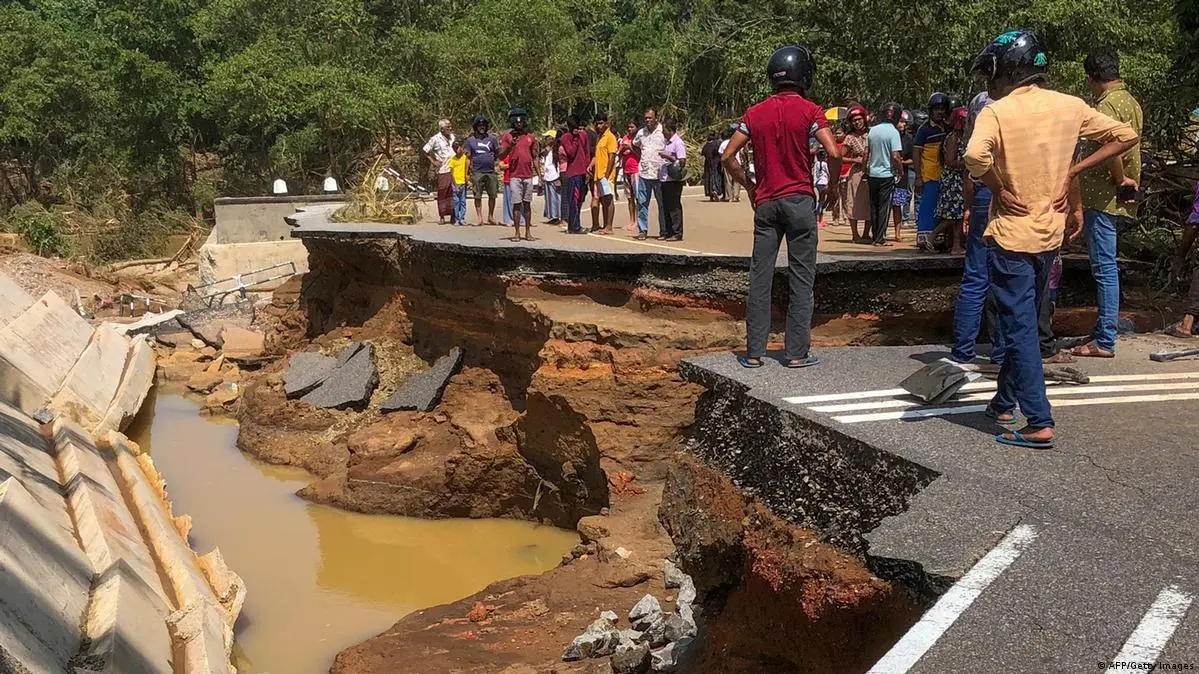
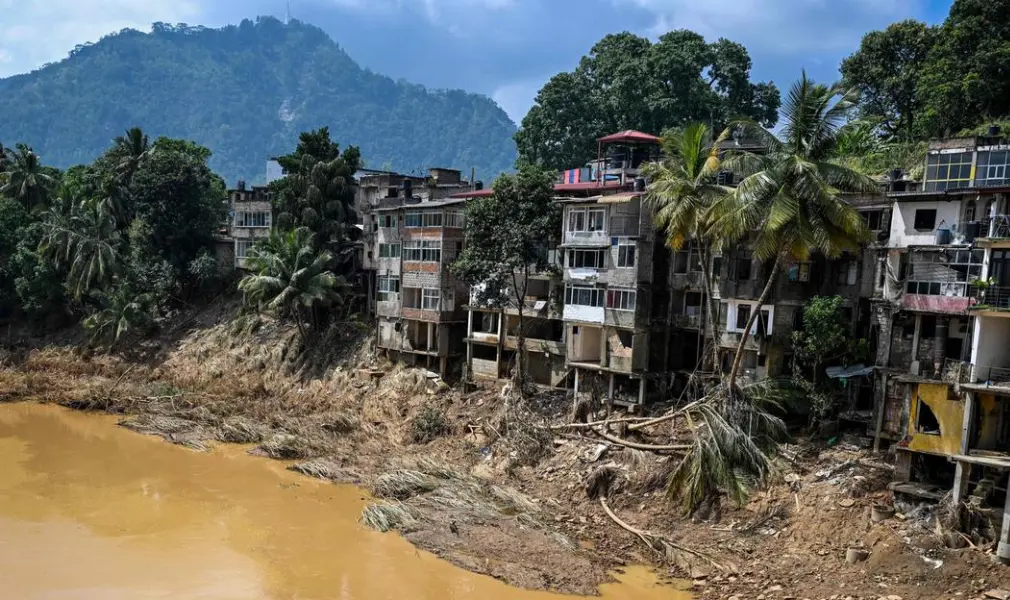
Sri Lanka’s path to economic recovery faced a severe setback with the devastating Cyclone Ditwah in late November 2025. This catastrophic event, one of the deadliest natural disasters since the 2004 tsunami, inflicted widespread damage across all 25 districts, affecting nearly 2 million people and over 500,000 families. As the nation grapples with reconstruction, recent fiscal data and budget revisions highlight both pre-disaster strengths and emerging vulnerabilities.
Also in Explained | Sri Lanka’s Cabinet Approves Targeted Tariff Reforms: A Strategic Boost for Deep-Sea Fishing and Tuna Exports in 2026
Pre-Cyclone Fiscal Strength: A Solid Foundation
Prior to the cyclone, Sri Lanka demonstrated remarkable fiscal discipline in the first eleven months of 2025. Central Bank data revealed a budget deficit reduction of 73% year-on-year to Rs. 325.6 billion, down from Rs. 1.22 trillion in the corresponding period of 2024. More impressively, the primary surplus surged 109% to nearly Rs. 1.94 trillion, marking a historic high.
This performance stemmed from robust revenue growth, with tax collections rising 36.8% to Rs. 4.94 trillion, driven by improved compliance and economic stabilization measures. Recurrent expenditure increased modestly by 8.55% to Rs. 4.64 trillion, while capital spending grew 6.55% to Rs. 645.62 billion. These figures positioned Sri Lanka favorably under its IMF-supported Extended Fund Facility (EFF) program, creating substantial cash buffers estimated at Rs. 1-2 trillion.
Opposition voices, including MP Harsha de Silva, acknowledged these buffers while cautioning against excessive surplus accumulation at the expense of productive investments. Central Bank Governor Nandalal Weerasinghe expressed confidence in short-term resilience but emphasized the need for long-term structural reforms.
The Devastating Toll of Cyclone Ditwah
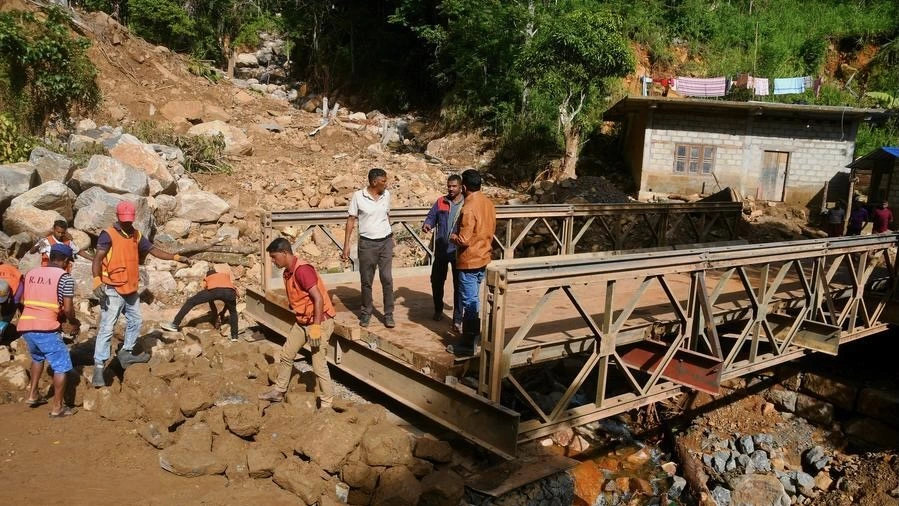
Cyclone Ditwah struck at a critical juncture, exacerbating vulnerabilities in an economy still recovering from the 2022 crisis. The World Bank’s rapid assessment estimated direct physical damage at US$4.1 billion (approximately 4% of GDP), affecting buildings, agriculture, and critical infrastructure. Broader economic impacts, including livelihood disruptions, could reach higher figures, with some initial government estimates suggesting rebuilding costs up to US$7 billion.
The International Labour Organization (ILO) reported that up to 374,000 workers were affected, with potential monthly income losses of US$48 million. Sectors like agriculture (including rice and tea plantations) and fisheries bore the brunt, threatening export revenues and food security.
The cyclone’s timing amid intensified northeast monsoon rains triggered massive flooding and landslides, displacing hundreds of thousands and disrupting essential services. Humanitarian responses from the UN, WHO, and international partners underscored the scale, with over 1.4 million people requiring aid.
Budget Revisions for 2026: Accommodating Recovery Needs
In response, the government approved a Rs. 500 billion supplementary estimate on December 19, 2025, effectively recasting the 2026 Budget. Key revisions include:
- Budget deficit widened to 6.5% of GDP (from original 5.1%), compared to the projected 4.5% for 2025.
- Primary surplus reduced to 1% of GDP (from 2.5%).
- Total expenditure increased to 21.9% of GDP (from 20.5%), with capital expenditure rising sharply to 5%.
- Revenue and grants held steady at 15.4% of GDP.
Additional recovery funding totals around Rs. 700 billion, including diversions from planned capital projects. Borrowing limits remain at Rs. 3.74 trillion, with costs met through existing surpluses and new revenue measures expected to yield 0.3% of GDP annually.
Medium-term targets project gradual improvement: deficit narrowing to 3.8% by 2030 and primary surplus recovering to 2.6%. The IMF approved a US$206 million Rapid Financing Instrument in December 2025, while deferring the EFF’s fifth review to early 2026 for reassessment.
Implications for Economic Recovery and Public Policy
Cyclone Ditwah underscores the fragility of Sri Lanka’s post-crisis rebound. Pre-disaster growth projections for 2025 were optimistic, but analysts now forecast slowdowns in 2026 due to disrupted agriculture, tourism, and infrastructure. The disaster risks widening poverty already elevated post-2022 and straining remittances and exports.
From a public affairs perspective, this event highlights the interplay between fiscal prudence and disaster resilience. Strong 2025 performance provided critical buffers, enabling a calibrated response without immediate borrowing spikes. However, it also exposes gaps in climate adaptation, with calls for enhanced disaster risk management and targeted support for vulnerable sectors.
The government’s commitment to preserving IMF-aligned discipline exempting disaster spending from GDP caps offers reassurance. Yet, sustained reforms in revenue mobilization, public investment efficiency, and social safety nets remain essential to balance recovery with macroeconomic stability.
Path Forward: Balancing Relief and Reform
As Sri Lanka navigates reconstruction, international support including from the World Bank, ADB, and bilateral partners will be pivotal. Prioritizing employment-intensive recovery, sectoral rehabilitation, and climate-resilient infrastructure can mitigate long-term impacts.
Public vigilance and transparent governance will ensure resources reach those most affected, fostering inclusive growth. While Cyclone Ditwah poses significant challenges, Sri Lanka’s fiscal buffers and reform momentum provide a foundation for resilient rebuilding.
Also in Explained | World Bank’s $120 Million Emergency Support: What It Means for Sri Lanka’s Recovery and Public Confidence