
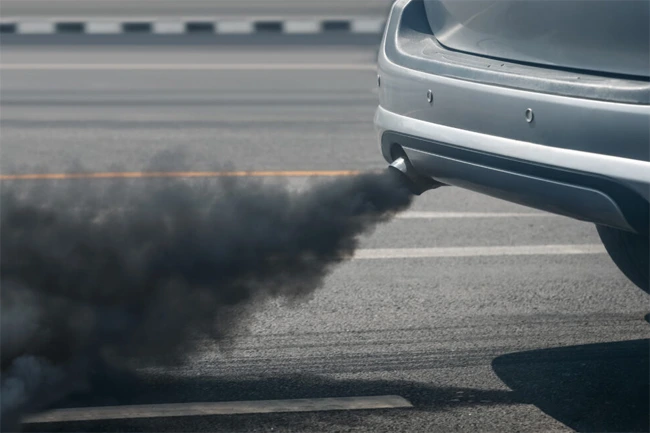
Every morning, as I step out for the commute to the office, the familiar haze hits daily. It’s not just the tropical humidity, it’s the thick black fumes billowing from buses, lorries, and even three-wheelers. Just the other day, the tuk-tuk was stopped at a traffic light right behind a public bus. When the bus driver revved the engine and pulled away, a cloud of dark smoke engulfed us. Coughing, we rolled up the sides, but it was too late, the acrid smell lingered, burning eyes and throat. Wearing a mask helps against dust and viruses, but it feels ironic when the real threat is these visible emissions pouring onto our streets.
This isn’t an isolated incident; it’s a daily experience for millions in Colombo and other cities. We often hear about transboundary pollution from India worsening our air quality, and it’s true, smog drifts across during certain seasons. But let’s be honest: we have our own significant problems right here on the road! Buses belching black smoke, old tuk-tuks trailing exhaust, and congested traffic from surging vehicle numbers, all contribute heavily to local air pollution. From a public perspective, it’s frustrating: mandatory emission tests exist, yet enforcement seems lax, leaving us breathing in harmful fumes while heading to work or school.
This article explores the reality of transportation-driven emissions in Sri Lanka, backed by verified data, and discusses practical steps for better enforcement and cleaner air.
Also in Explained | Central Bank Independence: Why Lowering Rates for Fiscal Relief Risks Long-Term Economic Stability
The Growing Fleet and Rising Emissions
Sri Lanka’s vehicle population has exploded in recent years. By late 2025, over 220,000 vehicles were imported in that year alone, with registrations surging 48,708 in September 2025 alone, a 27% monthly increase. The total registered vehicles exceed 8 million, dominated by motorcycles, three-wheelers, and cars, but buses and goods vehicles play a big role in urban pollution.
Transportation is a major contributor to air pollution and greenhouse gases. Studies show the sector accounts for a significant portion of urban emissions, with vehicle exhaust responsible for 60-70% of pollution in cities like Colombo. Particulate matter (PM2.5) from diesel engines, common in buses and lorries poses serious health risks. Air quality in Colombo often reaches moderate to unhealthy levels, with AQI readings frequently above safe limits due to traffic.
Black smoke, visible from poorly maintained diesel vehicles, indicates high particulate emissions. Common sightings of smoking buses and tuk-tuks highlight maintenance issues and fuel quality problems. Despite the Vehicle Emission Testing (VET) program being mandatory for revenue licenses, malpractices and inconsistent enforcement allow high emitters on roads.
Health and Daily Impacts: A Personal and Public Concern
That tuk-tuk incident isn’t just annoying, it’s harmful. Exposure to diesel exhaust links to respiratory issues, asthma, and long-term health risks. Commuters, street vendors, schoolchildren waiting at bus stops, and drivers like tuk-tuk operators face the highest exposure. In congested traffic, pollutants trap in “microenvironments” like inside vehicles or near roadsides.
Public sentiment echoes this: parents worry about kids inhaling fumes on school runs; office workers arrive with headaches; asthmatics rely on masks year-round. While we discuss Indian smog contributions during hazy periods, local sources especially road transport dominate daily pollution. The Central Environmental Authority and IQAir data confirm vehicle emissions as a primary urban culprit.
It’s not just health, emissions contribute to climate variability, affecting agriculture and livelihoods. Yet on roads, the visible black clouds remind us change is needed now.
Existing Laws and Enforcement Gaps
Sri Lanka has frameworks in place. The VET program, run through centers like DriveGreen and LAUGFS Eco Sri, tests for smoke opacity, CO, and hydrocarbons. A valid emission certificate is required for annual revenue licenses. New “Road Fitness Certificates” merging fitness and emissions checks are planned for wider mandatory use by 2028, with stricter rules from 2026.
Vehicles emitting excessive smoke can be blacklisted, and fines exist for violations. Import standards aim for cleaner fuels and vehicles, with pushes toward Euro 4 equivalents.
Yet gaps persist: reports of malpractices in testing, limited random roadside checks, and older fleets (many buses decades old) continuing operation. Public buses, vital for masses, often run on diesel with minimal upgrades, contributing visibly to smoke.
Enforcement could reduce emissions drastically, experts suggest proper implementation of existing laws could cut vehicle pollution by significant margins, potentially 50-90% with strict adherence, phasing out, and modernization.
Pathways to Cleaner Roads: Enforceable Solutions
To tackle this effectively, aiming for near-elimination of visible black fumes we need stronger public action and enforcement:
- Rigorous Roadside and Random Checks – Empower traffic police and environmental authorities for spot tests. Blacklist and impound heavy emitters immediately, as proposed for excessive smoke vehicles.
- Independent, Automated Testing – Expand automated centers for transparent emissions and fitness checks. End malpractices by 2026 with new agreements, as announced.
- Fleet Modernization Incentives – Subsidies or mandates for bus operators to upgrade to low-emission or electric models. Pilot electric buses in Colombo show promise, expand nationwide.
- Public Awareness and Reporting – Apps or hotlines for citizens to report smoking vehicles, with quick follow-up. Community campaigns educate on health impacts, encouraging collective pressure.
- Better Public Transport – Invest in efficient, clean buses to reduce private vehicle reliance. Integrated systems cut congestion and emissions.
- Fuel and Vehicle Standards – Enforce cleaner diesel, phase out old imports, promote hybrids/EVs with incentives.
These steps, building on existing laws, could reduce transportation emissions by 80-99% in targeted areas with committed enforcement. Public involvement reporting, advocating drives change.
A Collective Push for Breathable Air
That cloud of black smoke in the tuk-tuk wasn’t just a bad moment, it symbolizes a fixable problem. We blame external factors, but addressing our roads brings immediate relief. Stricter enforcement of emission tests, modernization, and public vigilance can clear the air.
As commuters masking up or coughing through traffic, we deserve better. Cleaner transport means healthier commutes, vibrant cities, and pride in sustainable progress. Through unified efforts; citizens, authorities, operators, we can turn black fumes into a memory, breathing easier on Sri Lanka’s roads.
Also in Explained | Sri Lanka’s Agriculture in 2026: Navigating Export Strengths Amid Climate Challenges and Building Resilience