
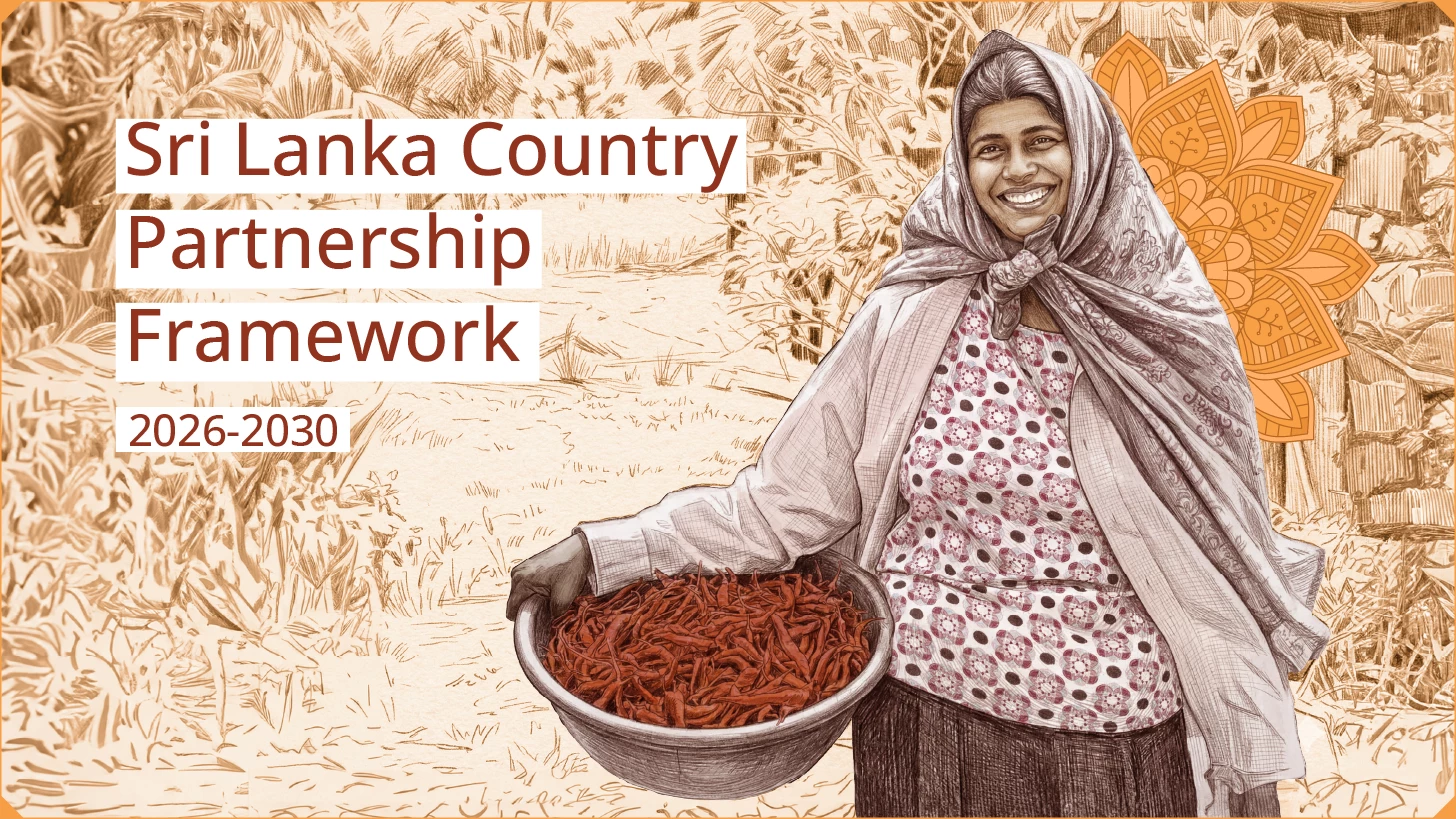
| Image Source – IFC.org |
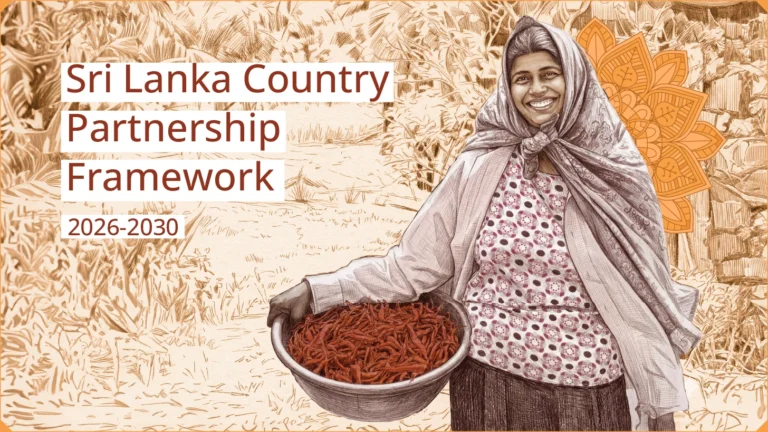
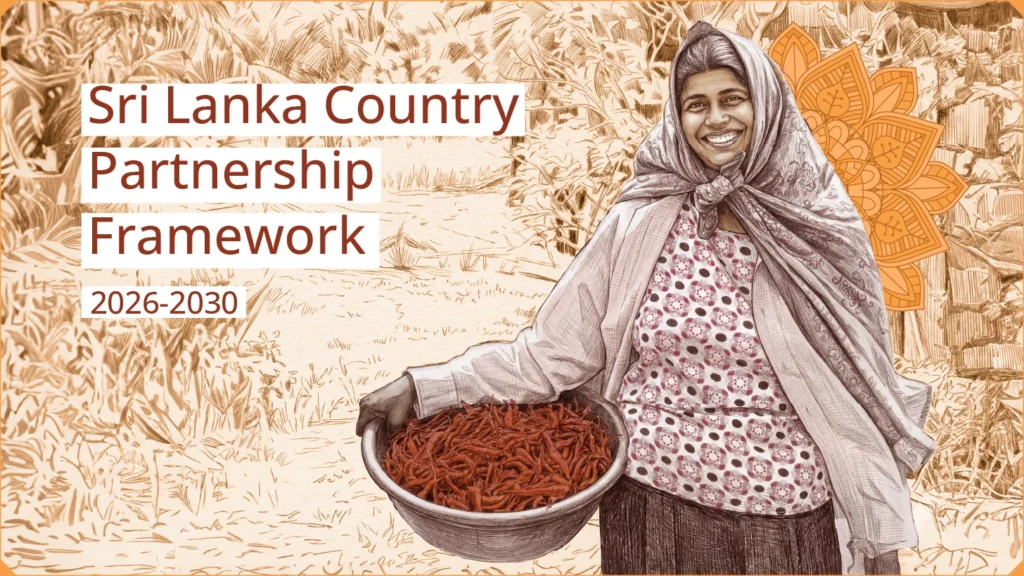
Sri Lanka and the World Bank Group have launched a new five-year Country Partnership Framework (CPF) to support the country’s continued economic recovery, target a 7% medium-term growth rate, and drive private sector-led job creation. Announced on April 2, 2026, the partnership comes at a critical time when nearly one million young Sri Lankans are expected to enter the job market over the next decade.
For ordinary citizens—a young graduate seeking formal employment, a woman entrepreneur in the Northern Province hoping to expand her small business, a farmer in the East looking for better markets, or a family in tourism-dependent areas relying on steady income—this framework signals a concerted push to turn macroeconomic stability into tangible opportunities. Private sector-led growth is placed at the centre, recognising that without stronger investment the economy may create only around 300,000 new formal jobs in the coming years, leaving roughly seven out of every ten young job seekers without access to quality employment.
The partnership mobilises significant resources. It includes more than $1 billion in direct and mobilised investment over five years from the International Finance Corporation (IFC) and up to $1 billion in low-interest financing over the next three years from the World Bank. It deploys the full range of World Bank Group instruments—financing, guarantees, advisory services, and private capital mobilisation.
Also in Explained | The Real Cost of High Living Expenses: How Can Families Cope?
President Anura Kumara Dissanayake welcomed the framework, stating: “We are committed to building on the continued macroeconomic stability, strengthened governance and revenue-based fiscal consolidation that we have already achieved. Our goal is to confidently steer our economy towards strong, sustainable and inclusive growth. We are working towards an economic growth rate of over 7% in the medium term. The World Bank Group has been with us for more than 7 decades. This partnership will further strengthen that relationship.”
Johannes Zutt, World Bank Vice President for South Asia, noted: “Sri Lanka’s recovery over the past three years has been hard-won and impressive. This new partnership framework is designed to ensure that the benefits reach everyone. By pairing public resources with private capital and innovation, we aim to help Sri Lanka create quality jobs, including for women, young people, and communities that have been left behind.”
Sarvesh Suri, IFC Vice President for Asia and the Pacific, added: “Sri Lanka’s next phase of growth will be driven by a private sector that can compete, innovate, and create jobs for all. With its strategic location and skilled workforce, Sri Lanka is well-placed to expand its role in the region—and we are committed to supporting the private sector as a catalyst for progress.”
The five-year Country Partnership Framework (CPF) focuses on four practical areas:
- Making it easier to do business
Reforms will simplify government regulations, modernise trade processes, and bring more services online. These steps aim to make Sri Lanka more attractive for investment and support the ambition to double annual export earnings to $36 billion by 2030. - Stronger infrastructure that benefits everyone
Investments will expand the capacity of the Port of Colombo and attract private operators to maintain its status as one of Asia’s leading maritime hubs. In energy, a phased programme targets 70% of electricity from renewable sources by 2030, adding 1 gigawatt of new clean power. This is expected to lower electricity bills for households and businesses, which are currently among the highest in South Asia. - More and better jobs in tourism and agriculture
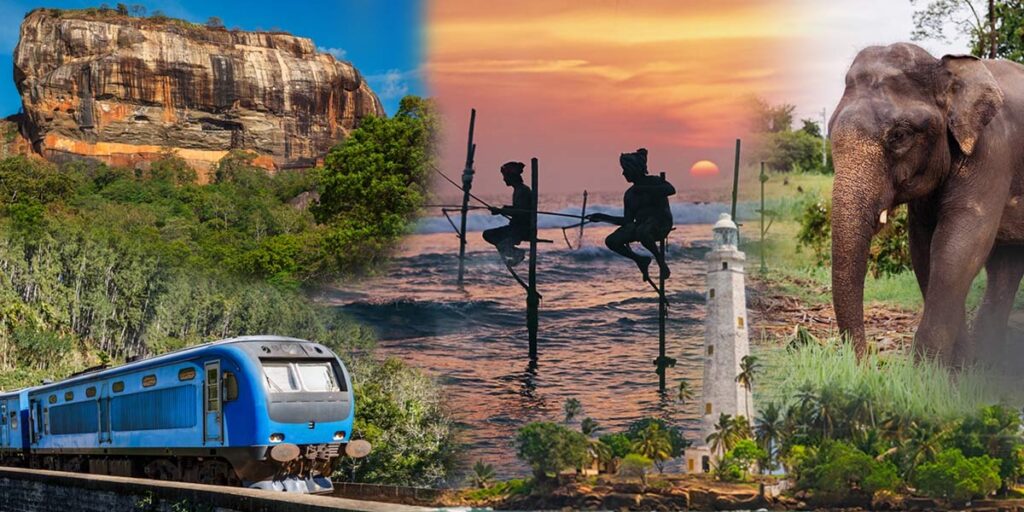
The partnership will back Sri Lanka’s Tourism Strategic Plan 2026–2030 and connect farmers to new technologies, markets, and financing. Special attention is given to the Northern and Eastern Provinces, which possess significant natural and cultural potential but currently represent less than 10% of the national economy. - Preparing for future shocks
Following Cyclone Ditwah in November 2025, which caused an estimated $4.1 billion in damages and affected 2.2 million people, the framework includes funding for stronger early warning systems and resilient infrastructure to help communities recover faster from future crises.
Implementation has already begun. The World Bank’s Board of Executive Directors has approved the first major project under the CPF: the Regional Empowerment through Vibrant, Inclusive, and Viable Economies (REVIVE) Project. This $100 million initiative targets the Northern and Eastern Provinces, focusing on tourism and fisheries in areas such as Jaffna, Pasikuda, Trincomalee, and Arugam Bay. It will support small businesses, with particular emphasis on women entrepreneurs, and is expected to create 3,000 new jobs while benefiting around 260,000 people by 2031.
The World Bank Group has partnered with Sri Lanka for more than 70 years. It currently supports 13 active projects worth over $1.5 billion across education, health, energy, transport, agriculture, and social protection. The IFC has committed nearly $1.8 billion in long- and short-term financing to the private sector from 2021 to 2026.
Potential Benefits and Considerations
If successful, the partnership could accelerate job creation, attract private capital, and spread the benefits of recovery more widely. Lower electricity costs, streamlined business processes, and targeted support for tourism and agriculture may improve competitiveness and living standards. Emphasis on women, youth, and lagging regions addresses inequality.
Challenges remain. Private sector-led growth depends on effective implementation of regulatory reforms and investor confidence. Infrastructure projects must be executed transparently and on time. Support for vulnerable provinces requires strong local coordination. External shocks—climate events or global economic shifts—could test resilience measures.
A Balanced Assessment
The new Country Partnership Framework represents a forward-looking collaboration that builds on recent macroeconomic gains and shifts the focus toward inclusive, private sector-driven growth. By mobilising over $2 billion in combined resources and targeting practical areas such as business facilitation, infrastructure, key sectors, and disaster preparedness, it aims to translate stability into jobs and opportunities.
For citizens, the real test will be whether these initiatives deliver quality employment, affordable services, and broader economic participation—particularly for the large cohort of young people entering the workforce and communities still recovering from past crises and Cyclone Ditwah.
The partnership’s success will depend on coordinated action between government, private sector, and international partners, alongside continued fiscal discipline and governance improvements. As the first project (REVIVE) gets underway, monitoring progress in job creation, export growth, and regional development will provide clearer indications of impact.
In the context of Sri Lanka’s ongoing recovery, this framework offers a structured pathway to stronger, more sustainable, and more inclusive growth—provided implementation matches ambition.
Also in Explained | Can Regional Economic Storytelling Perform Better Than Colombo-Only Coverage?