
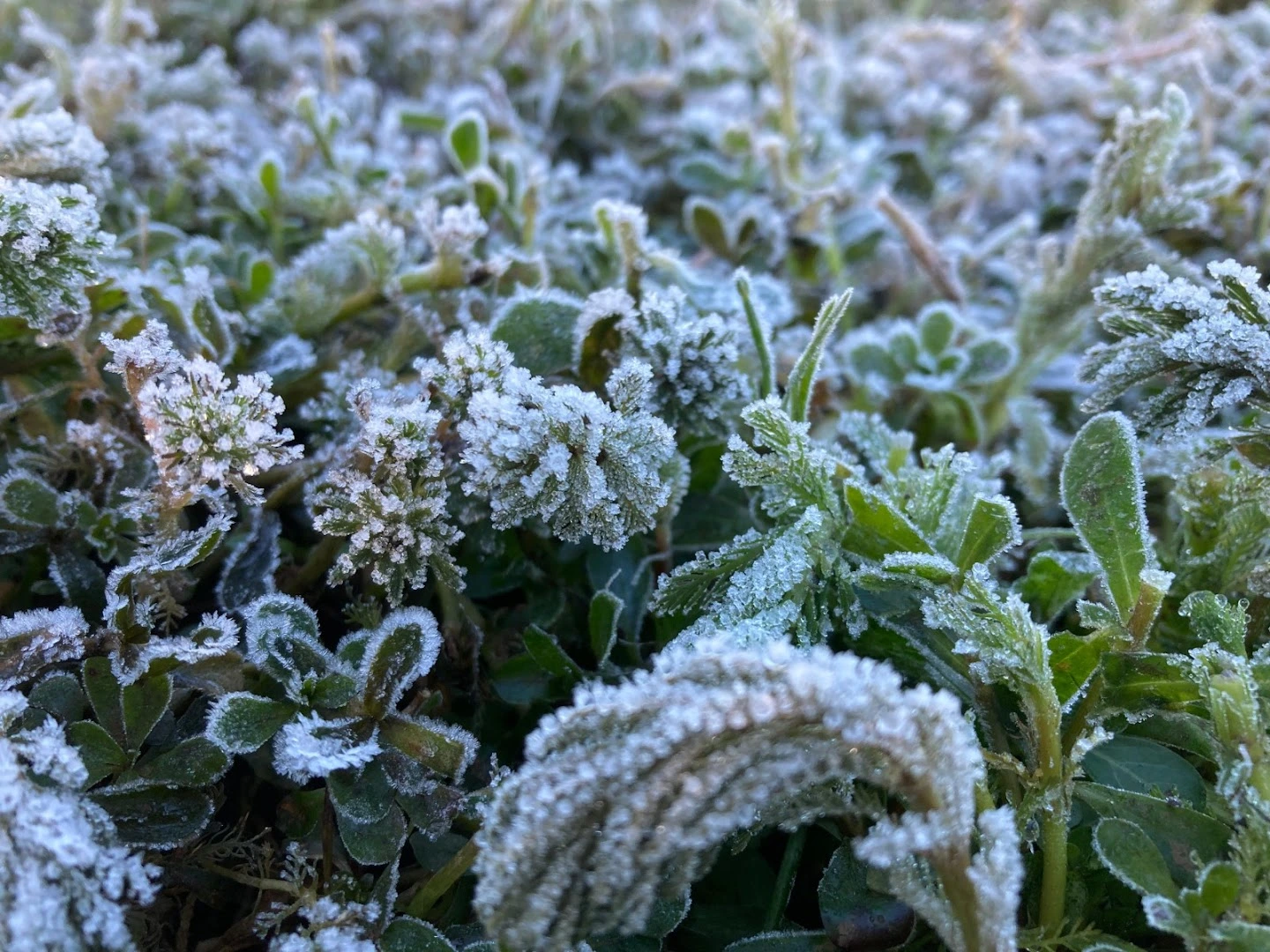
In January 2026, Nuwara Eliya grabbed headlines and social media feeds when temperatures dropped to 3.5°C on January 22 the lowest recorded in Sri Lanka since 2009, according to the Department of Meteorology. Photos and videos of ground frost blanketed feeds: tourists and locals playfully touching icy grass, children marveling at the rare sight, and farmers checking crops under a white sheen. For many Sri Lankans, it was a novel experience turning the hill country’s cool climate into something almost magical.
From a public perspective, the excitement is understandable. In a tropical island nation, frost feels like a brief visit from another world. Families flocked to Nuwara Eliya, wrapping up in jackets and scarves, capturing moments rarely seen. Yet beneath the fun, questions linger: Is this normal for Sri Lanka? With our equatorial location, should such cold spells worry us? And does it signal something about climate change? This article explores the recent event, Sri Lanka’s unique geography and climate, historical context, and why we should stay mindful of broader atmospheric changes.
Also in Explained | Black Smoke on Sri Lanka’s Roads: The Daily Reality of Transportation Emissions and Air Pollution in 2026
Sri Lanka’s Geography: Tropical Island with Highland Variations
Sri Lanka lies in the Indian Ocean, just north of the equator between latitudes 5°55′ and 9°51′ North. This position gives the country a classic tropical climate: warm year-round, with average temperatures around 27-30°C in lowlands and coastal areas. Two monsoons bring rainfall, the southwest from May to September and northeast from December to February creating wet and dry zones.
But elevation changes everything. The central highlands rise sharply, with peaks over 2,000 meters. Nuwara Eliya, at approximately 1,868-1,889 meters above sea level, sits in this cooler zone. Here, nights often dip below 10°C, and the microclimate resembles temperate regions misty mornings, tea plantations thriving in mild conditions.
This highland “cool pocket” explains why frost occurs occasionally. Cold air sinks into valleys during clear winter nights, combined with seasonal north-east monsoon influences bringing drier, cooler air from the continent.
The 2026 Cold Snap: Notable but Not Unprecedented
The Department of Meteorology confirmed 3.5°C in Nuwara Eliya on January 22, 2026 the island’s lowest since 2009. Nearby days saw readings around 5-7°C, with visible ground frost in open areas. Tourists surged, enjoying the rare phenomenon safely.
Historically, Nuwara Eliya has seen lower temperatures. Records show dips to around 0°C or slightly below in past decades, with frost events noted periodically during strong cold fronts in January-February. The 3.5°C mark, while the coldest in 17 years, fits within natural variability for the elevation cold air drainage and clear skies allowing rapid nighttime cooling.
For residents and farmers, frost is familiar though infrequent. Tea estates and vegetable growers monitor it, as light frost can affect tender crops but often passes without major damage.
Is This Normal? Yes, But Variability Raises Questions
In Sri Lanka’s tropical setting, lowland heat dominates, but highland cold spells like this are normal due to topography. The central hills create their own climate bubble cooler, wetter, prone to occasional frost when conditions align: clear skies, low humidity, and northerly winds.
Public enjoyment reflects this: many see it as a seasonal treat, boosting tourism and local businesses. Children playing in frost or couples picnicking capture the wonder rare but not alarming in isolation.
Yet the event prompts reflection on patterns. While one cold snap isn’t proof of change, global climate trends show increased weather variability. Warming atmospheres hold more moisture, potentially intensifying monsoons or dry spells. Disruptions like polar vortex shifts can push cold air farther south, creating unusual extremes even in tropics.
In Sri Lanka, overall temperatures rise gradually, with hotter lows and heatwaves more common. Cold events persist due to elevation, but their intensity or timing may shift with broader changes.
Should We Link This to Climate Change?
Climate scientists note that individual events like frost aren’t direct “proof” of change natural factors drive them. However, a warming world can amplify variability: jet stream wobbles or stratospheric influences leading to sporadic cold outbreaks amid general heating.
For Sri Lanka, priorities remain adaptation: managing floods, droughts, and sea-level rise. Cold snaps remind us of diversity, highlands vulnerable differently. Farmers using frost-resistant varieties or covers show proactive steps.
Public actions matter: reducing emissions through efficient energy, public transport, or tree planting contributes globally. Locally, enjoying frost safely watching for slippery roads or crop impacts balances wonder with care.
Embracing the Moment Mindfully
The 2026 frost in Nuwara Eliya delighted many, turning a cold morning into shared joy. Geographically normal for our highlands, it highlights Sri Lanka’s diverse climates, from sunny beaches to misty hills.
As we play in the frost or share photos, let’s appreciate the beauty while staying aware. Climate trends call for vigilance: sustainable habits protecting our environment for future rarities or extremes.
In tea estates blanketed white or roads lined with visitors, this event unites us celebrating nature’s surprises in our tropical paradise.
Also in Explained | Sri Lanka’s Agriculture in 2026: Navigating Export Strengths Amid Climate Challenges and Building Resilience