
Global gas and LNG markets have been thrown into turmoil by the escalating conflict in the Middle East, with benchmark prices surging to multi-year highs in the first two weeks of March 2026. Disruptions to Qatar’s LNG production the world’s second-largest exporter combined with restrictions in the Strait of Hormuz (which handles roughly 20% of global LNG trade) have triggered the sharpest price spikes since the 2022 energy crisis. European TTF futures briefly hit $23.62 per MMBtu, while the Japan-Korea Marker climbed toward $16, with some contracts recording weekly gains of 70–76%.
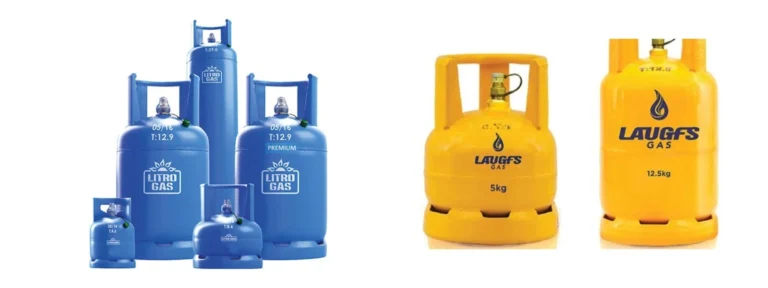
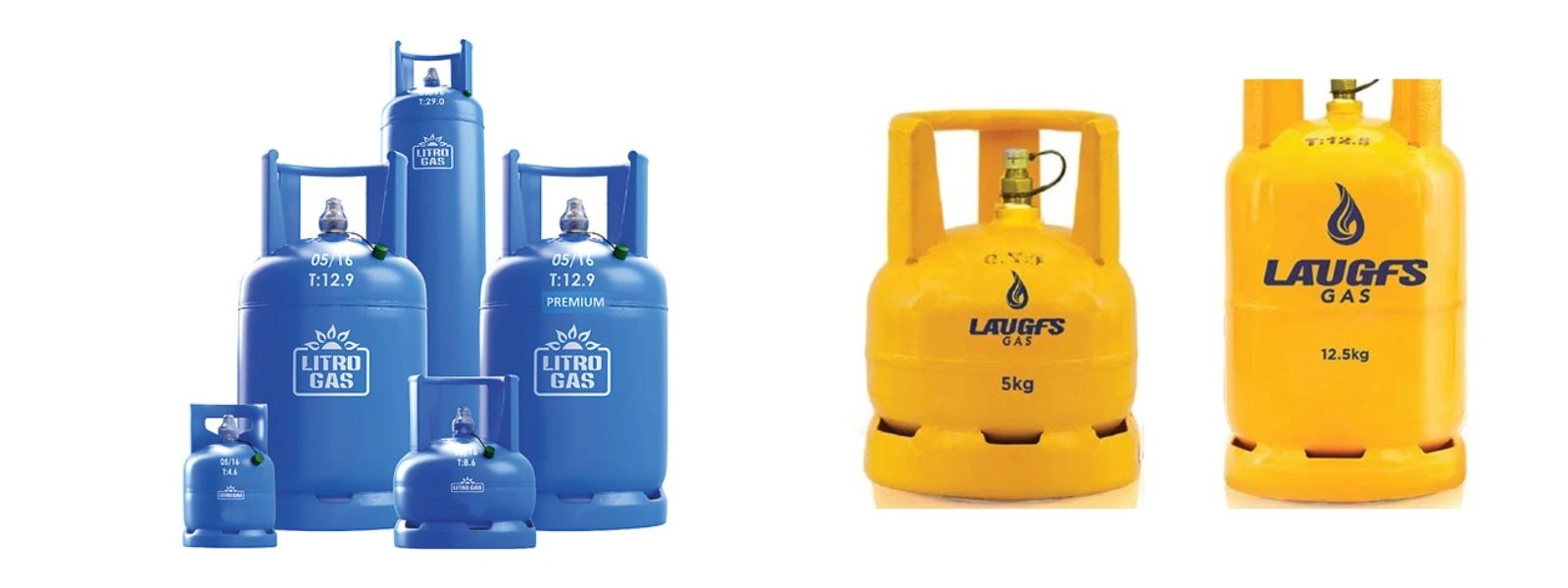
Sri Lanka, a net importer of nearly all its energy needs, is feeling the ripple effects almost immediately. On 10 March 2026, Litro Gas Company raised domestic LPG cylinder prices, passing on higher international costs linked to the same regional instability. The 12.5 kg cylinder increased by Rs. 300 to Rs. 3,990, the 5 kg cylinder rose by Rs. 120 to Rs. 1,602, and the 2.3 kg cylinder went up by Rs. 56 to Rs. 750. Laugfs Gas has also announced a parallel revision, so the market signal is clear: global volatility is now directly hitting Sri Lankan households.
Also in Explained | Is Sri Lanka Ready for the Next Global Economic Shock?
The Global Trigger: Conflict Disrupts Supply Routes
The current price surge stems from concrete supply threats rather than speculation. QatarEnergy halted LNG operations in early March amid regional attacks, removing a significant portion of global supply. Fears of prolonged closures or attacks in the Strait of Hormuz have forced LNG cargoes to divert, tightening availability for both Europe and Asia. Brent crude simultaneously crossed $100 per barrel for the first time in four years, amplifying cost pressures across all petroleum products, including LPG feedstocks.
Analysts note that even a short-term disruption in the Middle East can reshape global gas pricing for months. Unlike oil, LNG markets are highly interconnected through spot trading and long-term contracts, so any major exporter going offline creates immediate knock-on effects for importers like Sri Lanka.
Sri Lanka’s Heavy Reliance on Imported LPG
Sri Lanka has virtually no domestic natural gas production and depends entirely on imports for LPG, its primary cooking fuel for millions of households. In 2024, the country imported petroleum gas worth approximately $373 million, mainly from Oman, Iraq, the UAE, Malaysia, and Bahrain. Consumption has grown steadily, reaching 13.42 thousand barrels per day in 2023, the latest available annual figure reflecting post-crisis economic recovery and population needs.
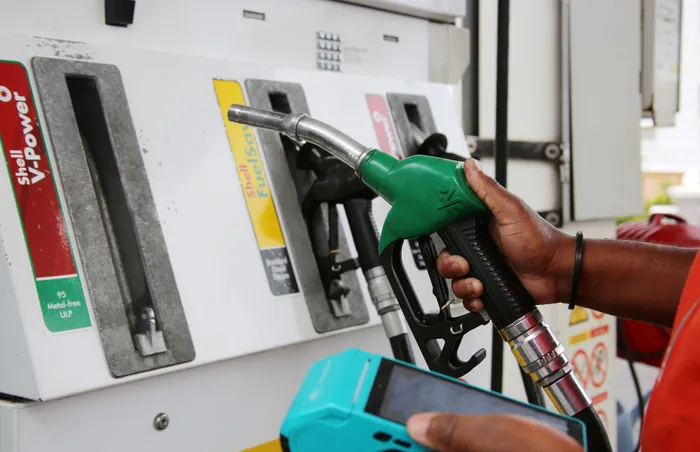
The government has been exploring a shift toward LNG imports for power generation, with plans for a terminal targeted around 2028, but household LPG remains the immediate pain point. Unlike petrol and diesel (which saw a separate Ceypetco revision on 9 March), LPG prices are adjusted by the two main distributors (Litro and Laugfs) based on import parity. The latest increase marks the first notable LPG hike in recent months and comes on top of the fuel price adjustments already burdening transport and industry.
Direct Impact on Sri Lankan Households and the Economy
For ordinary families, the price rise translates into higher monthly expenses. A typical household using one 12.5 kg cylinder per month now pays Rs. 300 extra, a meaningful increase for low- and middle-income groups where cooking gas is a non-negotiable budget item. Rural and estate communities, many of whom rely on smaller cylinders, face proportional hits.
The broader ripple effects are already emerging:
- Food prices are expected to climb as higher energy costs push up transportation and processing expenses for vegetables, fish, and staples.
- Small businesses and restaurants that depend on gas for cooking will see margins squeezed.
- Inflation, which had been moderating, risks renewed pressure in the coming weeks.
On the macroeconomic front, Sri Lanka’s energy import bill already strained by the fuel hikes faces additional upward pressure. Remittances from the Middle East (a key foreign-exchange source) and tourism could suffer secondary damage if the conflict deepens and regional economies slow. The government has maintained a cost-reflective pricing policy to avoid the fiscal subsidies that contributed to earlier crises, meaning consumers bear the full impact of global movements.
Demand Trends and Vulnerability
Sri Lanka’s LPG demand has been rising with economic recovery and urbanisation. While exact 2026 figures are not yet published, consumption patterns from 2023 onward show steady growth. The country remains highly exposed because LPG is imported in refined form rather than produced locally. Any sustained elevation in global LNG and feedstock prices will keep domestic costs elevated until either the conflict eases or alternative supply arrangements are secured.
The timing is particularly difficult. Sri Lanka is still consolidating its post-2022 recovery, with households and businesses sensitive to any additional cost-of-living shocks. Panic buying seen at fuel stations earlier in March illustrates how quickly external events can unsettle public confidence.
Outlook and the Need for Long-Term Resilience
The Middle East conflict remains fluid, and analysts warn that prices could stay elevated for the foreseeable future if disruptions persist. For Sri Lanka, this serves as a stark reminder of structural vulnerabilities: near-total dependence on imported energy and exposure to volatile global markets.
Short-term relief options are limited. The government has not signalled subsidies, sticking to the market-linked formula that brings transparency but passes shocks directly to consumers. Families can mitigate the impact through careful usage, while businesses may look at efficiency measures.
Longer term, accelerating the planned LNG terminal, diversifying import sources, and expanding renewable energy (already 23% of the mix) are critical steps toward reducing vulnerability. The current episode underscores the urgency of these initiatives.
As global gas prices continue their upward trajectory, Sri Lankan households are once again reminded how distant geopolitical events can reach deep into daily life. The latest LPG revision is not an isolated adjustment, it is the local manifestation of a global energy shock. Managing the immediate burden while building resilience against future volatility will define the country’s energy security path in the months and years ahead.
Also in Explained | Sri Lanka Fuel Prices Surge Again in March 2026 – Middle East Conflict Drives Fresh Hike