

As of December 23, 2025, gold prices in Sri Lanka remain elevated, reflecting the ongoing global surge that has pushed the precious metal to unprecedented highs. According to reliable local sources like IdeaBeam, today’s gold rates show significant levels for both investment and jewelry purposes. This comes as international spot gold trades around $4,400+ per ounce, driven by safe-haven demand, as highlighted in recent BBC reports on the metal’s extraordinary 2025 performance.
Updated Gold Prices in Sri Lanka Today (December 23, 2025)
Based on the latest data from IdeaBeam.com (updated for 23rd December 2025):
- Gold Ounce (24K): Rs. 1,358,394.00
- 24 Carat Gold (per 1 Gram): Rs. 47,920.00
- 24 Carat Gold (8 Grams / 1 Pawn): Rs. 383,350.00
- 22 Carat Gold (per 1 Gram): Rs. 43,930.00
- 22 Carat Gold (8 Grams / 1 Pawn): Rs. 351,450.00
- 21 Carat Gold (per 1 Gram): Rs. 41,930.00
- 21 Carat Gold (8 Grams / 1 Pawn): Rs. 335,450.00
These prices represent buying rates commonly used by jewelers and investors in Sri Lanka. Note that actual transaction prices may vary slightly depending on the dealer, location (e.g., Colombo vs. regional areas), making charges for jewelry, and any applicable taxes or premiums. The “pawn” (8 grams) is a traditional unit widely used in Sri Lanka for gold jewelry transactions.
Compared to earlier estimates, these figures confirm the sustained high levels, with 22K gold per pawn at Rs. 351,450 – a key benchmark for wedding jewelry and personal investments.
Global Context: Gold’s Historic 2025 Rally
The BBC article underscores the dramatic global rise, with gold exceeding $4,400 per ounce for the first time and hitting a spot high of $4,426.66 per ounce. Gold has gained over 68% year-to-date in 2025 – its best annual performance since 1979 – starting the year around $2,600 per ounce. Silver has fared even better, up 138%.
Key drivers include:
- Safe-Haven Buying: Escalating geopolitical tensions, trade wars (including impacts from policy shifts), and economic uncertainties have driven investors toward gold.
- US Interest Rate Expectations: Anticipated further rate cuts in 2026 lower the opportunity cost of holding non-yielding gold, boosting demand over bonds.
- Weaker US Dollar: A softer dollar makes gold more affordable for international buyers, amplifying the rally.
- Central Bank Accumulation: Institutions worldwide are increasing gold reserves to diversify away from dollar-dependent assets amid turbulence.
These factors directly influence Sri Lankan prices, as local rates are derived from the international spot price converted via the USD/LKR exchange rate (around 308-309 LKR per USD recently), plus import duties and market premiums.

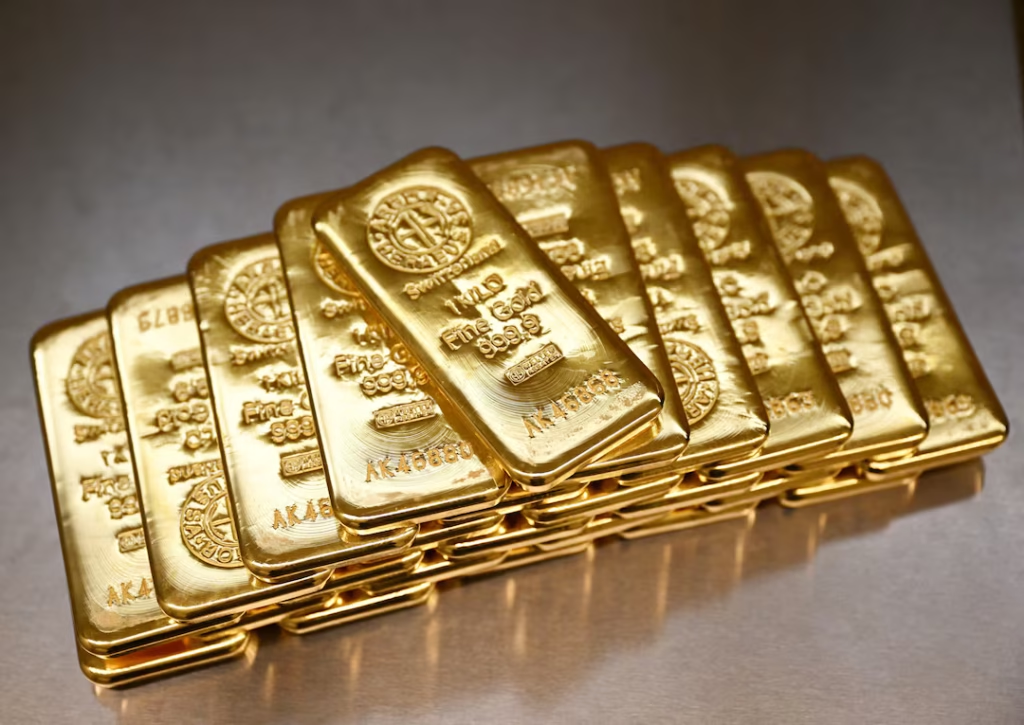
Why Gold Prices Remain High in Sri Lanka
Sri Lanka’s gold market is import-dependent, making it highly sensitive to global fluctuations. Additional local factors pushing prices up include:
- Currency Dynamics: Any depreciation in the LKR against the USD immediately elevates rupee-denominated gold prices.
- Import Duties and Taxes: Customs tariffs and VAT add 15-20% to costs, higher than in some neighboring countries.
- Seasonal Demand: Year-end festivals, weddings, and cultural events traditionally spike jewelry purchases.
- Inflation Hedge: In a post-economic recovery phase, many Sri Lankans turn to gold as protection against rising living costs.
Historically, gold prices in Sri Lanka have risen sharply in 2025:
- January 2025: Around Rs. 25,000-30,000 per gram (24K)
- Mid-year surges: Crossing Rs. 35,000-40,000
- December peaks: Now at Rs. 47,920 per gram (24K)
This represents roughly a 60-70% year-on-year increase, aligning with global trends but amplified by local economics.
Impact on Sri Lankan Consumers and Investors
For Investors:
- Gold continues to serve as a reliable hedge against inflation and currency risks.
- High prices reward long-term holders but make new entries expensive.
- Options like sovereign gold bonds or ETFs (where available) offer alternatives to physical gold.
For Consumers:
- Wedding season buyers face higher costs for traditional jewelry, often opting for lighter pieces or financing options.
- 22K remains the most popular for ornaments due to durability and cultural preference.
- Selling old gold now yields strong returns, helping offset expenses.
Smuggling Concerns: Elevated prices have fueled illegal imports, bypassing duties. Customs authorities report ongoing seizures at airports, highlighting risks for buyers purchasing from unofficial sources.
Comparison with Regional Markets
Sri Lankan gold prices tend to be slightly higher than in India due to duty structures and logistics. For instance, while global spot influences both, local premiums and taxes create variances. Monitoring cross-border trends can help informed decisions.
Future Outlook for Gold in Sri Lanka (2026 Predictions)
Analysts expect the rally to persist into 2026 if rate cuts materialize and uncertainties linger. However, any global stabilization could trigger corrections. In Sri Lanka:
- Short-term volatility likely around holidays.
- Long-term, gold’s role as a cultural and financial asset endures.
- Advice: Consider dollar-cost averaging for investments to mitigate peak pricing risks.
Should You Buy Gold in Sri Lanka Now?
At current highs, timing the market is challenging. For essential purchases (e.g., weddings), proceed with reputable dealers. For investments, gold’s safe-haven status shines in uncertain times. Always verify hallmarked purity and buy from authorized jewelers to avoid counterfeits.
In summary, gold prices in Sri Lanka on December 23, 2025, stand firm at elevated levels – with 24K gram at Rs. 47,920 and 22K pawn at Rs. 351,450 – mirroring the global record-breaking rally driven by safe-haven demand. Whether for tradition, investment, or hedging, gold remains a cornerstone of Sri Lankan financial and cultural life.
Also in Explained | World Bank’s $120 Million Emergency Support: What It Means for Sri Lanka’s Recovery and Public Confidence