
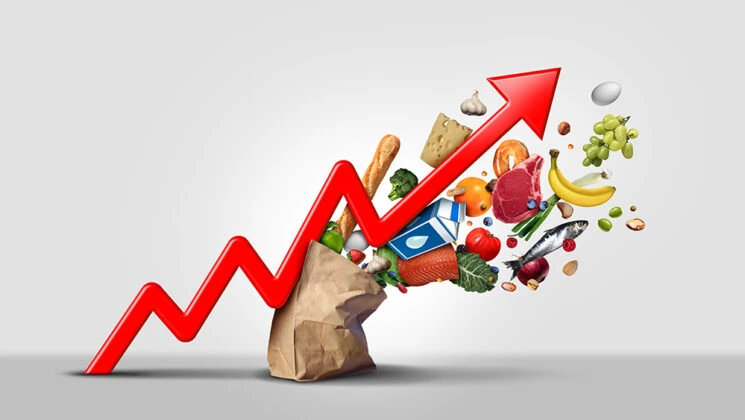
Understanding the Impact of Inflation on Low-Income Families – For millions of Sri Lankan families living on modest incomes, inflation is far more than a headline statistic. It is the quiet force that forces impossible choices between food on the table, school fees, medicine, and keeping the lights on. Even as headline inflation has moderated, the cost of living remains painfully high for low-income households, where every rupee increase in the price of rice, fuel, or electricity directly shrinks what little is left for essentials.
The Sri Lanka inflation impact on the poorest is immediate, unequal, and deeply personal it deepens poverty, erodes nutrition, and limits opportunities for the next generation. Understanding these real-life effects is essential if policies and community efforts are to provide meaningful relief.
The distinction matters. While national figures show stabilisation, low-income families experience inflation through the lens of daily survival. Sri Lanka’s recent experience illustrates both modest progress in taming price rises and the persistent burden that continues to weigh heaviest on those with the least buffer.
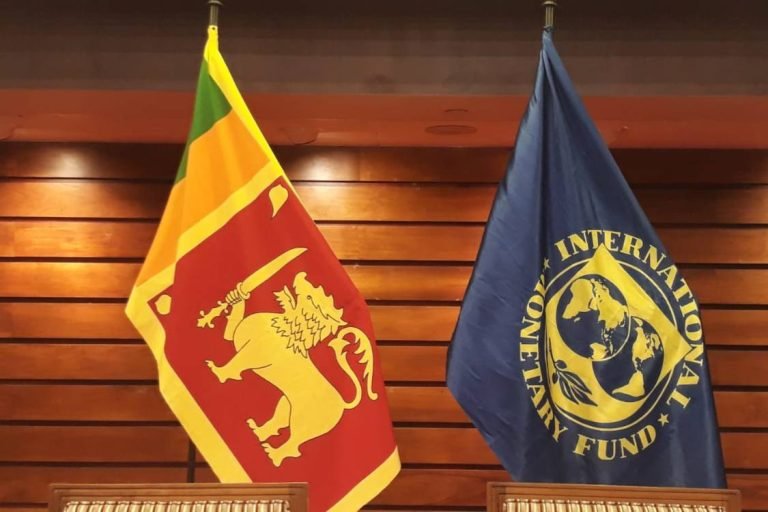
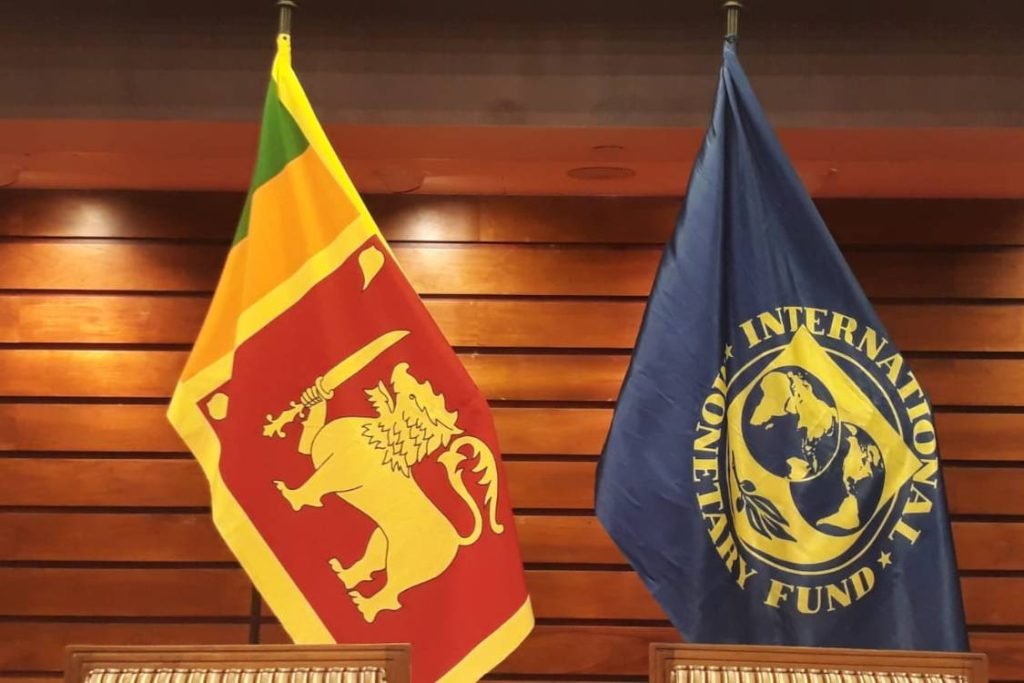
Also in Explained | IMF Staff Reaches Staff-Level Agreement on Combined Fifth and Sixth Reviews of Sri Lanka’s EFF Program
The Daily Reality for Low-Income Families in Sri Lanka
National data confirm that inflation, though low, continues to bite. Colombo Consumer Price Index (CCPI) headline inflation stood at 2.2 percent year-on-year in March 2026, up from 1.6 percent in February. Food inflation rose to 0.7 percent from 0.2 percent, while non-food items (including transport and utilities) climbed to 2.9 percent. The official national poverty line reached Rs 16,730 per person per month in January 2026, meaning a family of four needs at least Rs 66,920 simply to meet basic needs.
For low-income households often earning Rs 30,000–50,000 monthly these figures translate into harsh trade-offs. Many families report skipping protein-rich meals, delaying medical care, or pulling children from tuition classes to cover rising transport and utility bills. In rural and estate areas, where incomes are even more irregular, the pressure is magnified. Multidimensional poverty indicators show that a significant share of the population remains vulnerable, with women and children bearing the brunt through reduced nutrition and health outcomes.
How Inflation Erodes Basic Needs
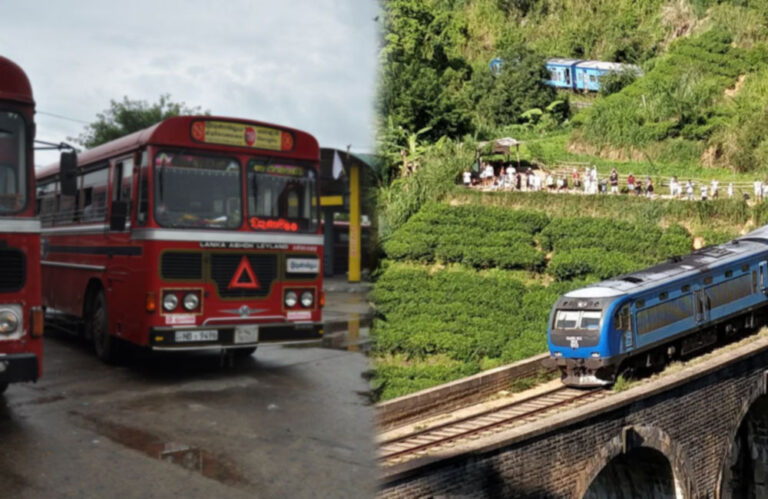
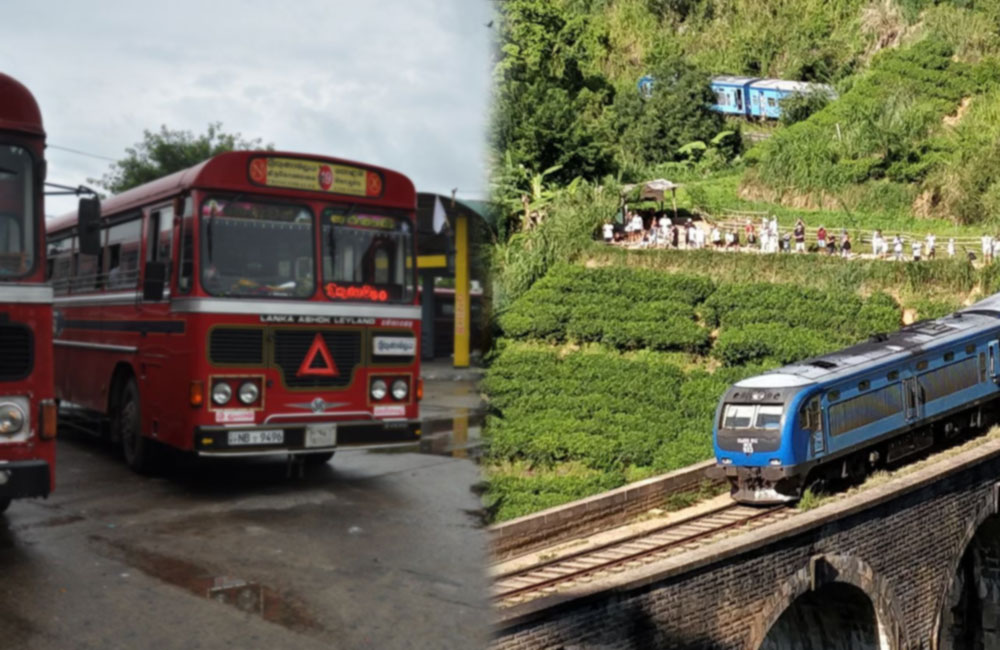
Rising prices strike at the core of family life. Food, which typically accounts for over 40 percent of low-income spending, becomes a constant source of anxiety. Even small increases in the cost of rice, dhal, vegetables, and cooking gas force families to reduce portion sizes or switch to cheaper, less nutritious options. Transport costs critical for commuting to work or school have risen with fuel prices, adding hundreds of rupees to monthly budgets and sometimes forcing workers to forgo jobs altogether.
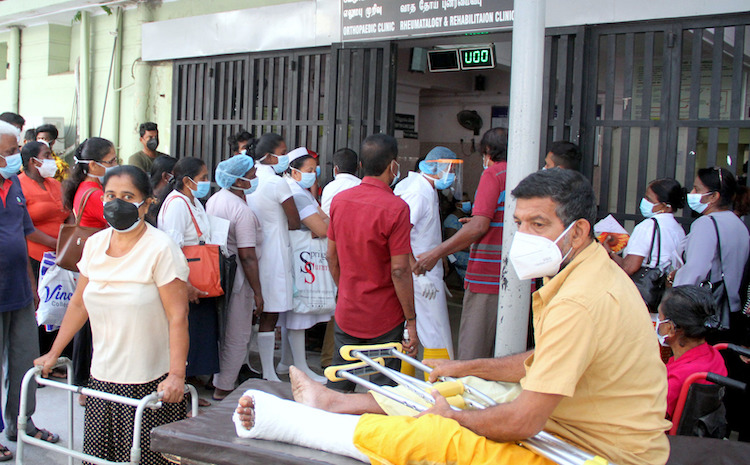
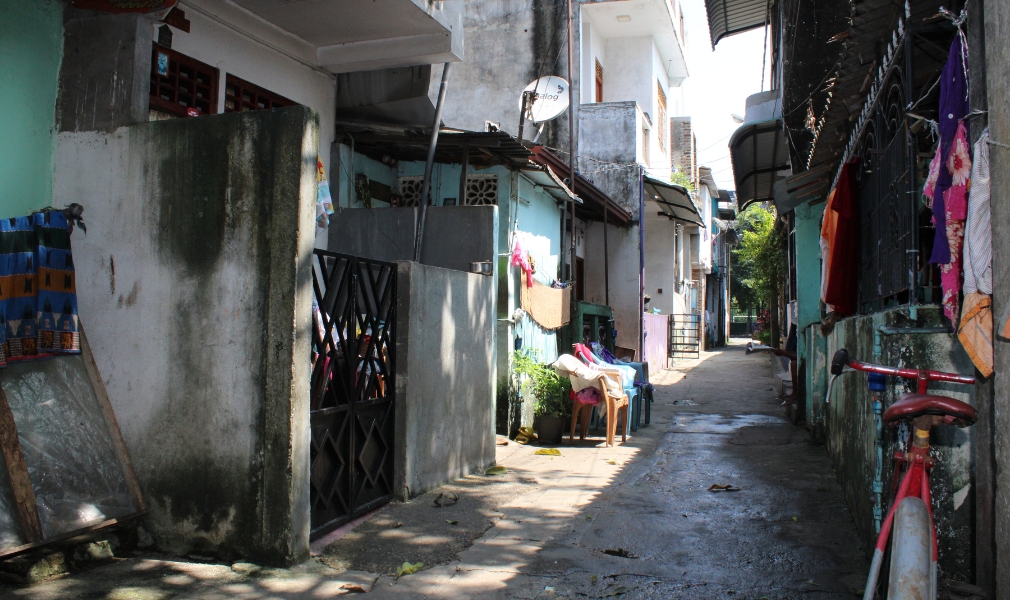
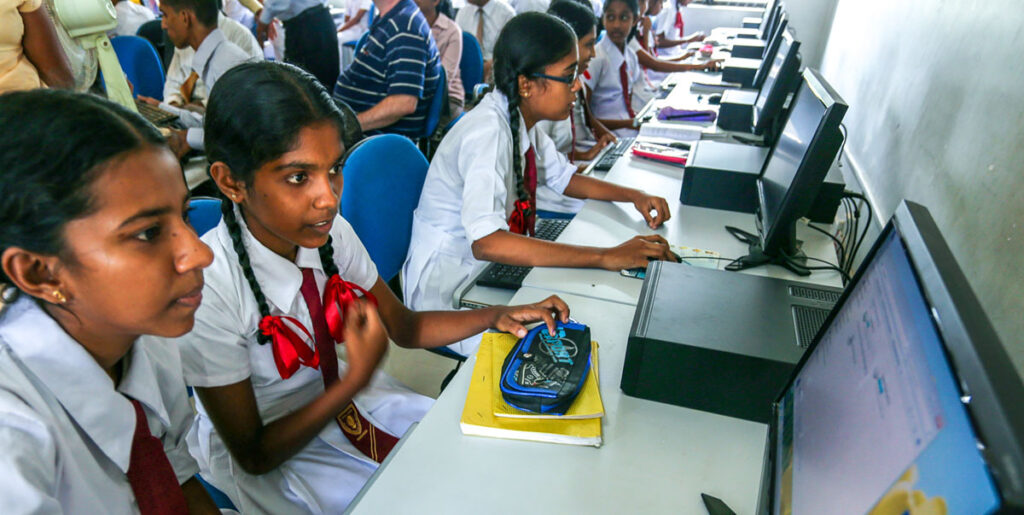
Utilities and housing add further strain. Electricity and water bills, already a large share of expenditure, climb with tariff adjustments, while rents in urban and semi-urban areas consume 40–60 percent of income for many renter households. Healthcare access suffers as families delay treatments or buy partial courses of medicine. Education costs – uniforms, books, and transport compete directly with food, leading some parents to make heartbreaking choices about which child continues schooling.
These pressures compound over time. Savings evaporate, debt rises through informal loans, and long-term investments in children’s futures are postponed. The result is a cycle that keeps families trapped in poverty even as the broader economy stabilises.
Why Low-Income Families Feel Inflation Most Acutely
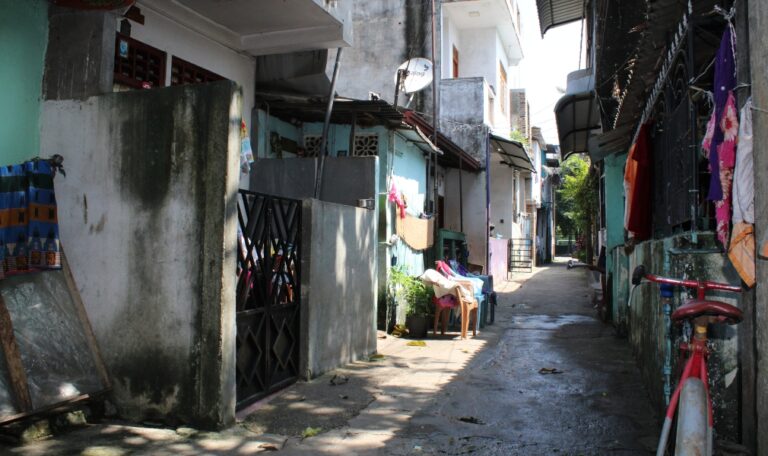
The impact is not uniform. Low-income households spend a far higher proportion of their earnings on essentials, leaving no cushion against price shocks. Rural and estate families, often dependent on seasonal or daily-wage work, face additional volatility from agricultural input costs and market fluctuations. Urban poor in informal settlements deal with higher rents and limited access to subsidised services.
Government data and household surveys consistently show that inflation above even modest levels disproportionately affects the bottom income quintiles. Remittances help some families, but many receive none, and rising debt servicing further squeezes budgets. The empathetic reality is that for these households, inflation is not abstract, it is the difference between a full meal and hunger, between school attendance and dropout, between health and untreated illness.
Government Policies and Community Support: Pathways to Mitigation
Relief requires both immediate support and longer-term structural measures. The government has responded through targeted programmes. The Aswesuma welfare scheme provides cash transfers to low-income families, with a temporary April 2026 festival boost raising payments from Rs 17,500 to Rs 25,000 for the most vulnerable tier and from Rs 10,000 to Rs 15,000 for others. Public-sector salary adjustments and expanded welfare coverage in the 2026 budget offer additional buffers.
Community-level support plays a vital complementary role. Local cooperatives, religious organisations, and NGOs run food banks, community kitchens, and micro-savings groups that help stretch limited resources. School feeding programmes and maternal nutrition initiatives reduce the direct burden on family budgets. Financial literacy workshops empower families to manage debt and prioritise spending.
To achieve lasting mitigation, policies should focus on three practical areas: strengthening social protection floors with inflation-indexed adjustments; promoting domestic food production and fair pricing to stabilise essential costs; and investing in skills and income opportunities that raise real wages for low-income workers. Public-private partnerships in agriculture, logistics, and digital services can further reduce supply-chain costs that ultimately reach consumers.
Impact of Inflation – Risks if Support Remains Insufficient
Without sustained and targeted action, the human costs will mount. Deeper poverty, childhood stunting, reduced school completion, and long-term health complications will follow. Economic recovery will remain uneven, with subdued domestic demand limiting growth. Social cohesion may fray as families feel left behind despite national stabilisation.
The empathetic truth is that low-income families have already borne a disproportionate share of the economic crisis. Continued inflation pressure without adequate safeguards risks reversing hard-won gains in poverty reduction and human development.
A Forward-Looking Approach: Building Real Resilience for Low-Income Families
Meaningful relief demands empathetic, focused action that combines immediate support with structural change. Government can enhance Aswesuma and other transfers with automatic inflation adjustments, expand school and maternal nutrition programmes, and accelerate domestic production of staples to shield families from global price swings.
Communities can strengthen mutual support networks, promote home gardening and bulk purchasing cooperatives, and advocate for fair access to subsidised services. Employers and the private sector can contribute through living-wage practices and targeted CSR initiatives that address transport, healthcare, and education costs for lower-income workers.
International experience shows that well-designed social protection combined with productivity-enhancing policies lifts families out of vulnerability and supports broader economic stability. Sri Lanka’s resilient people and existing welfare framework provide a strong base for this shift.
Conclusion
For low-income families in Sri Lanka, inflation is not a distant economic indicator, it is the daily struggle to afford rice, school books, medicine, and a roof overhead. Even with headline inflation at 2.2 percent in March 2026, the cost of living continues to erode basic needs and future prospects for the most vulnerable.
Yet this impact need not be inevitable. Through strengthened government policies like targeted, inflation-sensitive welfare, expanded community support networks, and practical measures to stabilise essential prices, Sri Lanka can ease the burden and restore dignity to family budgets. Low-income families have shown remarkable resilience through years of hardship. Now is the time for empathetic, focused action that matches their efforts and ensures that economic stabilisation translates into real, lived relief for every household. The choices made today will determine whether inflation’s heaviest costs fall on those least able to bear them or whether support systems rise to meet the moment.
Also in Explained | Why Does the IMF Use Conditionality?