

A Historic Moment for Rural Sri Lanka
On December 11, 2025, Sri Lanka achieved a remarkable milestone when Kithul Madeema, the centuries-old practice of tapping the Kithul palm tree, was officially inscribed on UNESCO’s Representative List of the Intangible Cultural Heritage of Humanity during the 20th Session of the Intergovernmental Committee in New Delhi, India. This marks the third element from Sri Lanka to receive this prestigious designation.
For thousands of rural families across 13 districts who have practiced this ancient craft for generations, this UNESCO recognition represents hope for economic revival, cultural preservation, and a sustainable future. This article examines how this inscription will directly benefit local communities and transform rural livelihoods.
Also in Explained | Sri Lanka Cannot Grow by Looking Inwards: Why an Export-Driven, Green Investment Brand Is No Longer Optional
Understanding Kithul Tapping: A Living Tradition
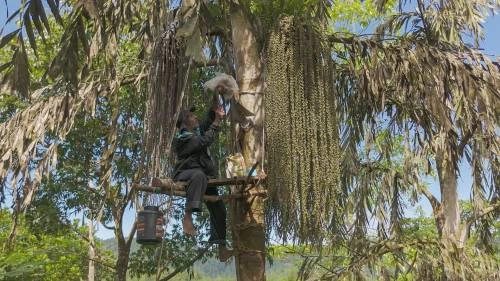
Kithul tapping, known as Kithul Madeema or Kithul Kapeema, is a highly skilled practice involving the extraction of sap from the Caryota urens tree. This indigenous technique has been passed down through generations across Southern, Central, Sabaragamuwa, and Uva Provinces.
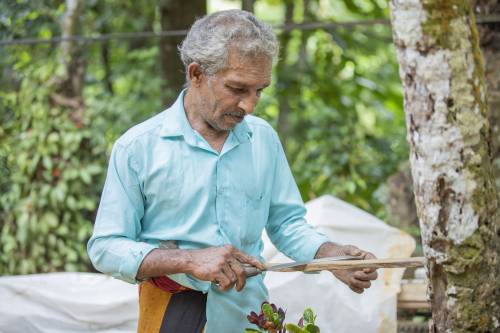
The process requires exceptional skill. Tappers climb tall palm trees using traditional ladders, make precise incisions using sacred tapping knives, and collect sap that is then filtered and boiled to produce Kithul treacle, jaggery, vinegar, or traditional beverages. What makes this practice special is its cultural significance embodying respect for nature, incorporating tree worship, and transcending caste and ethnic boundaries.
Current Challenges: Why Recognition Matters
Despite its importance, the Kithul industry faces significant challenges. Traditional tappers face economic uncertainty—trees take 10 to 15 years to mature and flower only once before dying. The dangerous work of climbing 40-foot trees using rope ladders results in frequent injuries without adequate safety equipment or insurance.
The most pressing challenge is youth migration. Many rural parents discourage their children from continuing this tradition, perceiving it as outdated. This threatens centuries of indigenous knowledge about tree identification, tapping techniques, and sustainable harvesting.
Additionally, despite strong consumer demand, supply falls short, leading to widespread market adulteration. Many products are diluted or mixed with cheaper sugars, hurting both consumers and honest producers.
How UNESCO Recognition Transforms Lives
The UNESCO inscription triggers concrete benefits that directly improve lives in rural communities.
Enhanced Economic Opportunities
UNESCO recognition increases visibility and prestige in domestic and international markets. This global acknowledgment allows producers to command premium prices for authentic products and helps differentiate genuine Kithul from adulterated alternatives. Current monthly income of Rs. 10,000 to Rs. 200 per tapping could potentially double through improved market access and premium pricing.
The recognition opens doors to geographical indication status, quality certification programs, and lucrative export markets where consumers actively seek UNESCO-recognized cultural products.
Government Support and Safety
The designation strengthens government investment in the sector. The National Kithul Development Programme includes tapper training, safety equipment provision (helmets, safety belts, protective gear), insurance schemes for climbing accidents, quality improvement initiatives, modern processing facilities, and model sales outlets.
For tappers like Nishantha from Bulathsinhala, safety equipment has made dangerous work safer and more efficient. “The Kithul trees in my garden are what helped my family survive hard times,” he reflects. “I feel safe because my Kithul trees have been there for me.”
Youth Engagement
UNESCO recognition makes Kithul tapping culturally prestigious, transforming it from old-fashioned to heritage-worthy. Programs aim to attract young farmers through modern technology, low-interest loans for entrepreneurship, technical training, and value addition opportunities.
Educational programs in schools and universities ensure knowledge transmission through both traditional family channels and formal education, addressing the critical shortage of 50,000 trained tappers.
Community Empowerment
Recognition helps strengthen 13 farmer-based societies across districts, providing collective bargaining power, shared resources, knowledge exchange, and quality control. Organized communities can better negotiate with buyers, access credit, invest in processing facilities, and ensure fair prices.
Beyond Economics: Environmental and Social Impact
Kithul tapping contributes to sustainability and community cohesion in significant ways.
Environmental Protection
Kithul trees play a crucial role in disaster-prone areas. Their extensive root systems prevent soil erosion and increase flood resilience. Growing naturally in forests and home gardens without chemical inputs, they complement other agriculture while maintaining ecological balance—an excellent example of sustainable livelihood practices.
Cultural Unity
The practice transcends caste and ethnic boundaries, bringing diverse community members together through village cooperatives. Spiritual dimensions including tree worship and reverent attitudes toward nature contribute to communal harmony. Products shared during ceremonies and festivals strengthen social bonds.
Health Benefits
Unlike refined sugar, Kithul treacle and jaggery contain minerals and nutrients, making them healthier alternatives. Making these nutritious traditional products more widely available could have significant public health benefits, particularly in rural areas.


Images © Dr Raveendra Withanachchi, 2025
Roadmap for Maximizing Benefits
To fully capitalize on UNESCO recognition, strategic actions are essential.
Immediate Priorities
Documentation of traditional knowledge before it disappears—including video documentation of techniques, oral histories from master tappers, and preservation of recipes. Rapid expansion of training programs to address the shortage of 50,000 skilled tappers through master trainer programs and youth apprenticeships. Quality certification systems to protect consumers from adulteration, including standards, certification marks, testing facilities, and traceability systems.
Medium-Term Goals
Infrastructure investment in modern processing facilities that maintain traditional methods, collection networks connecting tappers to markets, and storage facilities. Market development through branding campaigns leveraging UNESCO recognition, international food festivals, export channels, and partnerships with tourism operators.
Long-Term Sustainability
Plantation expansion programs ensuring future supply through planting initiatives and nursery development. Educational integration from primary schools to universities. Policy frameworks including economic incentives, environmental protection for Kithul-growing areas, and intellectual property protections for traditional knowledge.
Stakeholder Responsibilities
Government: The Ministry of Traditional Industries must lead National Kithul Development Programme implementation with adequate budgets and coordination. The Ministry of Agriculture should integrate Kithul into agricultural strategies and provide extension services. Local governments must support tappers, facilitate land access, and develop local markets.
Private Sector: Businesses can establish buy-back arrangements with cooperatives, invest in processing facilities, develop premium product lines, and ensure fair prices. Tourism operators can integrate Kithul experiences into cultural tourism. Food industries can create innovative products using authentic Kithul ingredients.
Communities: Kithul tapping communities must organize effective cooperatives, maintain quality standards, pass knowledge to younger generations, and advocate for their interests as active participants, not passive beneficiaries.
Challenges to Address
Several challenges must be anticipated. Commercialization could undermine tradition—mitigated by establishing clear authenticity standards and involving community elders in governance. Small-scale tappers could be excluded—prevented by designing programs specifically for smallholders and ensuring cooperative democracy.
Traditional knowledge could be exploited—requiring documentation of knowledge holders, intellectual property frameworks recognizing collective rights, and benefit-sharing arrangements. Environmental sustainability requires sustainable harvesting standards, habitat protection, and reforestation programs.
Tourism Opportunities
UNESCO recognition creates opportunities to integrate Kithul into cultural tourism. Agritourism could include guided tours, tapper demonstrations, hands-on experiences, tasting sessions, and rural homestays. Cultural centers could provide educational exhibits, interactive displays, workshops, and retail outlets. Culinary tourism can develop around restaurants featuring Kithul dishes, cooking classes, food trails, and celebrity chef partnerships.
These initiatives provide additional income for communities while creating cultural exchange that increases appreciation for traditional practices.
A Sweet Future for Rural Sri Lanka
The UNESCO inscription of Kithul Madeema represents a potential turning point for thousands of rural families who have maintained this tradition despite economic challenges, safety risks, and social marginalization.
For the aging tapper climbing his inherited tree at dawn, this recognition validates a lifetime of skill. For young people considering the craft, it transforms an old-fashioned occupation into a prestigious heritage profession with economic potential. For rural communities organizing cooperatives, it provides legitimacy and leverage. For the nation, it celebrates indigenous knowledge embodying sustainable living, cultural diversity, and spiritual connection to nature.
The challenge is translating recognition into tangible benefits reaching traditional practitioners and their communities. This requires sustained government commitment, private sector engagement, supportive policies, adequate resources, and genuine partnership with rural communities as active agents of development.
If Sri Lanka meets this challenge, UNESCO recognition could become a model for how cultural heritage designation drives inclusive rural development. It would demonstrate that traditional knowledge and modern progress can be woven together to create something stronger than either alone.
The sweet taste of Kithul treacle, enjoyed for over 2,000 years, could become sweeter in the lives of rural communities who produce it. That would be the true meaning of cultural heritage: not just preserving the past, but using it to build a better future.
About This Recognition
- Inscription Date: December 11, 2025
- Location: 20th Session of Intergovernmental Committee, New Delhi, India
- Significance: Third element from Sri Lanka on UNESCO’s Intangible Cultural Heritage List
- Geographic Span: 13 districts across Southern, Central, Sabaragamuwa, and Uva Provinces
- Beneficiaries: Thousands of rural families practicing traditional Kithul tapping
For More Information:
- Sri Lanka National Commission for UNESCO
- Ministry of Traditional Industries and Small Enterprise Development
- Smallholder Agribusiness Partnerships Programme (SAPP)
- Local Kithul farmer cooperatives in your district
Also in Explained | Aswesuma Expansion in Sri Lanka: Strengthening the Social Safety Net in 2025