
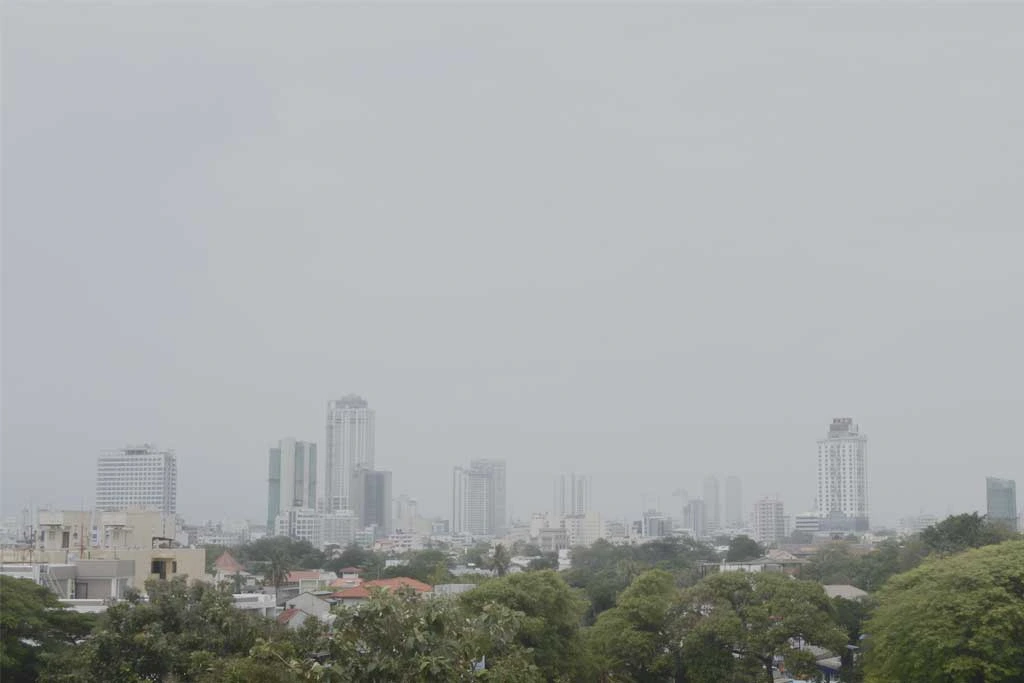
Air quality remains a critical public health and environmental concern in Sri Lanka, with recent reports highlighting persistent challenges across urban and rural areas. As of early 2026, real-time monitoring indicates that air quality in key cities frequently falls into the “moderate” to “unhealthy for sensitive groups” categories, influenced by a combination of local emissions and transboundary pollution. This situation underscores the need for coordinated policy responses to safeguard public well-being and support sustainable development.
The issue has gained prominence amid regional pollution trends, particularly from neighboring India, which ranked fifth globally for air pollution in 2024 according to the IQAir World Air Quality Report. In Sri Lanka, while not as severe, the problem affects daily life, economic productivity, and long-term health outcomes. This analysis examines the current status, underlying causes, impacts, and potential pathways forward, drawing on data from trusted sources such as the Central Environmental Authority (CEA), IQAir, and the World Health Organization (WHO).
Also in Explained | Sri Lanka’s Tea Industry: Achievements, Challenges, and the Path Forward
Current Air Quality Status in Sri Lanka
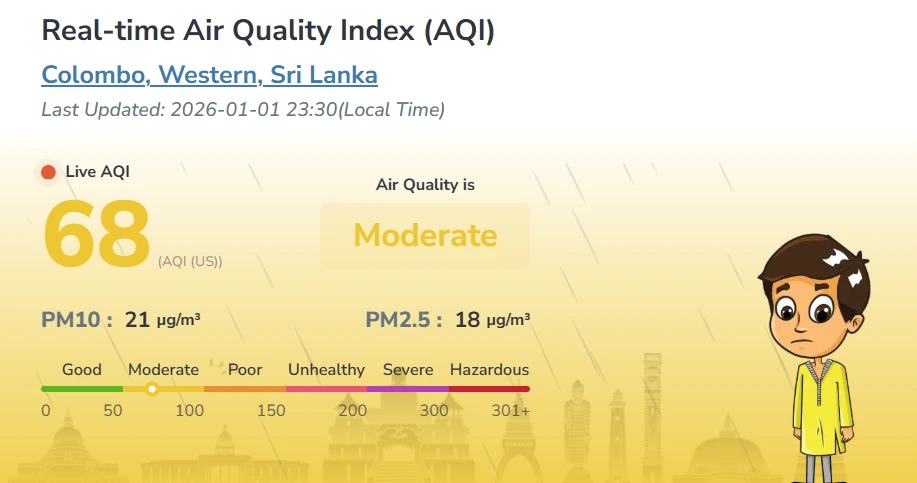
Air quality monitoring in Sri Lanka, primarily managed by the CEA and supplemented by international platforms like IQAir and AQI.in, reveals varying levels of pollution across the island. As of late December 2025, data showed AQI readings in Colombo ranging from 50 to 150, classifying air as “moderate” to “unhealthy for sensitive groups.” For instance, Battaramulla recorded an AQI of 84 (moderate) on December 31, 2025, while Kandy was at 28 (good). Historical data from the US Embassy in Colombo indicates peaks exceeding 200 in November and early December 2025, signaling “unhealthy” conditions.
PM2.5 concentrations, a key indicator of fine particulate matter harmful to health, averaged around 20–50 µg/m³ in urban areas during this period, often exceeding the WHO guideline of 5 µg/m³ annually. Affected regions include Colombo, Kandy, Jaffna, Chilaw, Puttalam, and Galle, where pollution levels fluctuate based on weather and external influences. These trends align with broader South Asian patterns, where Sri Lanka’s air quality, though better than some neighbors, still poses risks.
Compared to previous years, 2025 showed slight improvements in some metrics due to post-cyclone rains dispersing pollutants, but overall, urban AQI has remained elevated, reflecting chronic issues.
Causes of Deteriorating Air Quality
Air pollution in Sri Lanka stems from both domestic and transboundary sources. Locally, vehicle emissions, industrial activities, biomass burning for cooking, and construction dust are primary contributors. In urban centers like Colombo, traffic congestion accounts for a significant portion of PM2.5 and nitrogen dioxide levels.
A major external factor is polluted air drifting from India, where the 2024 average PM2.5 concentration was 50.6 µg/m³ nearly 11 times the WHO guideline placing the country fifth globally in pollution rankings. Prevailing winds and atmospheric conditions trap these pollutants over Sri Lanka, exacerbating local levels. Recent events, such as Cyclone Ditwah in November 2025, initially worsened conditions through dust and debris but later aided dispersion via rainfall.
Climate change amplifies these problems by altering weather patterns, leading to more stagnant air episodes. The CEA’s monitoring network confirms that seasonal variations, such as dry periods, intensify pollution buildup.
Health and Economic Impacts
Poor air quality poses substantial risks to public health. Exposure to high PM2.5 levels is linked to respiratory illnesses, cardiovascular diseases, and premature deaths. The WHO estimates that air pollution causes over 7 million global deaths annually, with South Asia bearing a disproportionate burden. In Sri Lanka, vulnerable groups children, the elderly, and those with pre-existing conditions face heightened dangers, including asthma exacerbations and reduced lung function.
Economically, pollution reduces productivity through increased sick days and healthcare costs. Studies indicate that air quality issues could shave 1–2% off GDP in affected regions, impacting tourism and agriculture. In Colombo, where AQI often exceeds safe thresholds, this translates to broader societal costs, including strained healthcare systems.
Government and Policy Responses
The Sri Lankan government, through the CEA, maintains a network of monitoring stations and issues public advisories during high-pollution episodes. Recent efforts include stricter emission standards for vehicles and industries, as well as promotion of cleaner fuels. However, enforcement remains inconsistent, and transboundary pollution complicates unilateral action.
Regional cooperation, such as through SAARC frameworks, is essential but limited. The National Air Quality Management Policy aims to reduce PM2.5 by 50% by 2030, but progress is slow. Post-Cyclone Ditwah, authorities focused on disaster recovery, with air quality monitoring as part of environmental assessments.
Pathways to Improvement
Addressing air quality requires multifaceted strategies:
- Enhanced Monitoring and Data Transparency: Expand the CEA’s network and integrate real-time apps for public awareness.
- Emission Reduction Measures: Promote electric vehicles, improve public transport, and regulate industrial emissions.
- Regional Diplomacy: Strengthen dialogues with India on shared pollution sources.
- Public Health Initiatives: Educate on precautions like mask-wearing and indoor air purifiers for vulnerable populations.
- Sustainable Urban Planning: Increase green spaces and enforce zoning to minimize pollution hotspots.
International support from WHO and UNEP can provide technical assistance. Long-term, integrating air quality into climate policies will yield co-benefits.
Conclusion
Sri Lanka’s air quality concerns, exacerbated by local and regional factors, demand urgent attention to protect public health and economic vitality. While progress has been made in monitoring, comprehensive reforms are needed to achieve sustainable improvements. By prioritizing evidence-based policies and international collaboration, Sri Lanka can mitigate these risks and foster a healthier environment for future generations.
Also in Explained | Sri Lanka’s Brain Drain Crisis: The Cost of Losing Our Brightest Minds