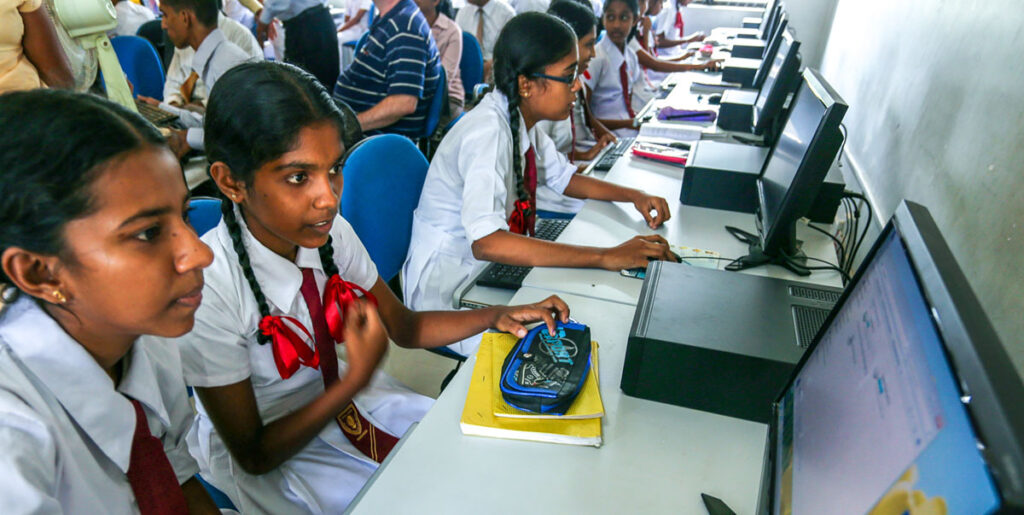


Sri Lanka faces a growing mental health crisis that touches every corner of society. Depression affects 19.4 percent of the population higher than the Asian regional average while among adolescents aged 13–17, 18 percent report persistent depression and 15 percent have seriously considered suicide. Economic stress, post-crisis trauma, academic pressure, and social stigma have pushed demand for care to unprecedented levels. Yet public mental health services remain severely limited in reach, staffing, and integration. The question is no longer whether mental health issues are rising; it is whether Sri Lanka’s mental health services are ready to meet this urgent need with accessible, high-quality care that supports mental wellness for all citizens.
The distinction matters. A healthcare system built for physical ailments can deliver impressive results in infectious disease control while leaving millions without timely mental health support. Sri Lanka’s recent experience economic recovery alongside rising psychological distress shows both the scale of the challenge and the clear path forward through supportive, reform-driven action.
Also in Explained | The Struggle for Affordable Housing in Sri Lanka’s Urban Centres
The Pressure of Mental Health Issues in Sri Lanka’s Discourse
National dialogue increasingly recognises the scale of the problem. Consultant psychiatrists and public health experts have highlighted that up to 30 percent of adults and 40 percent of adolescents grapple with anxiety, depression, and related conditions, often worsened by economic insecurity and academic pressures. Reports of loneliness, sleep disturbances due to anxiety, and suicidal ideation among school students have surged. In the first half of 2025 alone, police recorded 1,671 suicides, continuing a pattern where the overall rate hovers around 15 per 100,000 population.
These statistics appear in media briefings, parliamentary discussions, and health ministry statements because they reflect a visible public health emergency. Policymakers reference the National Health Policy (2026–2035) and community-based care initiatives, yet the conversation often remains focused on awareness rather than the operational readiness of services. The result is growing public frustration: families know help is needed, but many still struggle to find timely, stigma-free care.
Understanding Mental Health Services: The Foundation of Public Health and Wellness
Mental health services encompass prevention, early intervention, treatment, and rehabilitation across primary care, specialist clinics, community settings, and schools. Effective systems integrate screening, counselling, psychiatric care, and psychosocial support while addressing social determinants such as poverty, unemployment, and family stress. Mental wellness requires not only clinical services but also anti-stigma campaigns, school-based programmes, workplace support, and strong referral pathways.
In a supportive framework, services are accessible, affordable, and culturally sensitive, with trained professionals distributed equitably between urban and rural areas. Without these foundations, even rising awareness fails to translate into care. Sri Lanka’s public system, delivered through the Ministry of Health’s Directorate of Mental Health and the National Institute of Mental Health, must evolve from hospital-centric models to community-integrated, prevention-focused approaches that match the scale of current needs.
Sri Lanka’s Mental Health Services: Progress but Significant Gaps
The country has made important strides. The Directorate of Mental Health operates a network of clinics and has expanded training programmes. The National Institute of Mental Health in Angoda provides specialised care, and recent policies including the National Health Policy (2026–2035) emphasise gender-responsive and equitable services. Community outreach and school counselling initiatives have increased in some districts.
Yet capacity remains critically limited. Mental health receives only 1.6 percent of total health spending, unchanged for over a decade. The number of consultant psychiatrists remains low relative to population needs, and trained mental health professionals in primary care are scarce. Rural and estate areas face acute shortages, with many facilities lacking even basic counselling staff. Stigma remains a major barrier: 75 percent of those needing care avoid services due to fear of discrimination.
These gaps mean that while some urban patients receive support, the majority particularly in rural and low-income communities; face long waits, limited options, or no care at all.
The Access and Quality Gap: Evidence from Prevalence, Infrastructure and Outcomes
Data reveal a widening mismatch between need and supply. Depression affects 19.4 percent of the population, with adolescents showing 18 percent persistent depression and 15 percent suicidal ideation. Untreated mental illness stands at approximately 13.3 percent. Only 2.1 percent of students experiencing severe distress seek formal help.
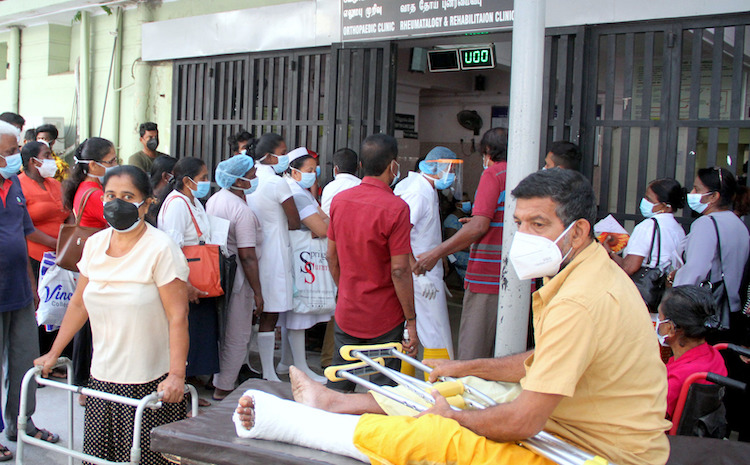
Infrastructure shortfalls are evident. Only 34 percent of healthcare institutions have a medical officer trained in mental health, and 38 percent have a trained nursing officer. Referral pathways and community-based care remain underdeveloped, while school counselling coverage is patchy. The economic crisis has compounded demand: stress, burnout, and hopelessness have risen sharply, yet service expansion has not kept pace.
These realities translate into real suffering: delayed treatment, higher suicide risk, lost productivity, and intergenerational impacts on families and communities.
Why Gaps Persist: Policy and Resource Realities
Several factors sustain the shortfall. First, chronic underfunding mental health’s 1.6 percent share of the health budget; limits recruitment, training, and infrastructure. Second, stigma and cultural attitudes delay help-seeking and reduce political urgency. Third, the legacy of the economic crisis has strained resources, with fiscal consolidation prioritising macroeconomic stability over rapid scaling of specialised services.
Implementation of existing policies often lags due to coordination challenges across ministries and limited community-level integration. Media and public discourse naturally focus on immediate crises, while longer-term investments in prevention and workforce development receive less sustained attention.
Risks of Inadequate Services for Sri Lanka’s Future
Failure to strengthen mental health services carries serious risks. Untreated conditions will worsen physical health outcomes, increase suicide rates, and reduce workforce participation. Children and adolescents already showing elevated distress face lifelong impacts on education and development. Economic recovery will remain incomplete if psychological wellbeing is overlooked, and social cohesion may erode as families struggle in silence.
In a country still healing from economic shocks and climate events, unaddressed mental health pressures risk compounding vulnerability and slowing inclusive growth.
A Forward-Looking Policy Shift: Prioritizing Accessibility and Quality
Improving services requires supportive, reform-driven action on three fronts.
First, increase dedicated funding and workforce capacity. Raise mental health spending toward 5 percent of the health budget, expand training for primary care doctors and nurses, and incentivise specialists to serve rural and estate areas.
Second, strengthen community and school-based services. Integrate mental health screening and counselling into primary care and schools, launch nationwide anti-stigma campaigns, and develop clear referral pathways from community to specialist care.
Third, embed mental wellness in national policy and partnerships. Fully implement the National Health Policy (2026–2035) with measurable targets for access and outcomes, promote workplace mental health programmes, and foster public-private and NGO collaboration to expand reach.
Fiscal policy can support this shift by ring-fencing mental health allocations while leveraging international technical assistance. International experience shows that integrated, community-focused reforms deliver better outcomes at lower long-term cost.
Sri Lanka possesses a dedicated health workforce, strong policy foundations, and a resilient population. These assets position the country to lead in mental health reform if resources and commitment follow.
Conclusion
Sri Lanka is experiencing a clear rise in mental health challenges, with 19.4 percent of the population affected by depression and adolescents showing alarming rates of distress and suicidal ideation. Public services have made important advances, yet accessibility and quality still fall short of the growing need.
Mental health services and mental wellness are not optional add-ons, they are essential to individual dignity, family stability, and national progress. By increasing funding, expanding community care, reducing stigma, and integrating mental health across all levels of the system, Sri Lanka can build services that truly meet the moment. The pressures are real, but so is the opportunity. Supportive, reform-driven action today will determine whether future generations receive the care and compassion they deserve. The time to strengthen these services is now, for the wellbeing of every Sri Lankan and the long-term strength of the nation.
Also in Explained | Understanding the Impact of Inflation on Low-Income Families
Image Source – Mental Health in Sri Lanka A Summary – Join Health