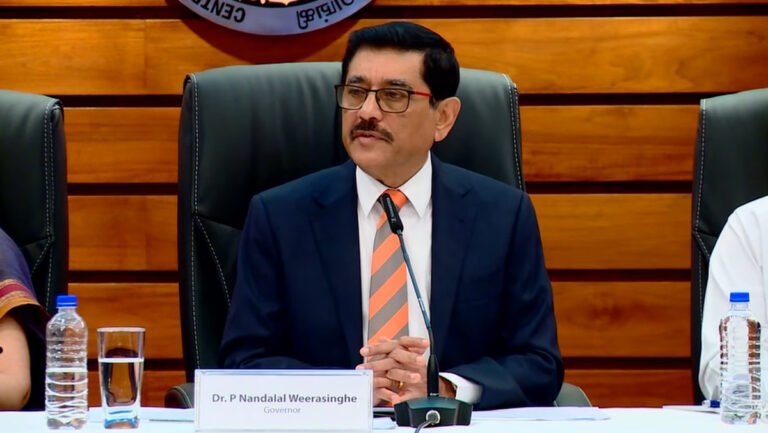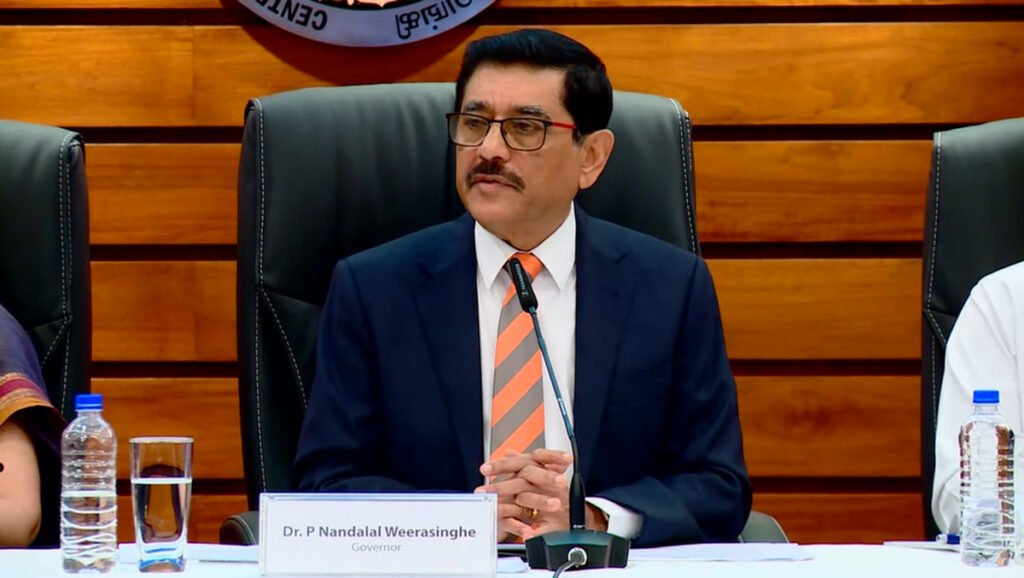

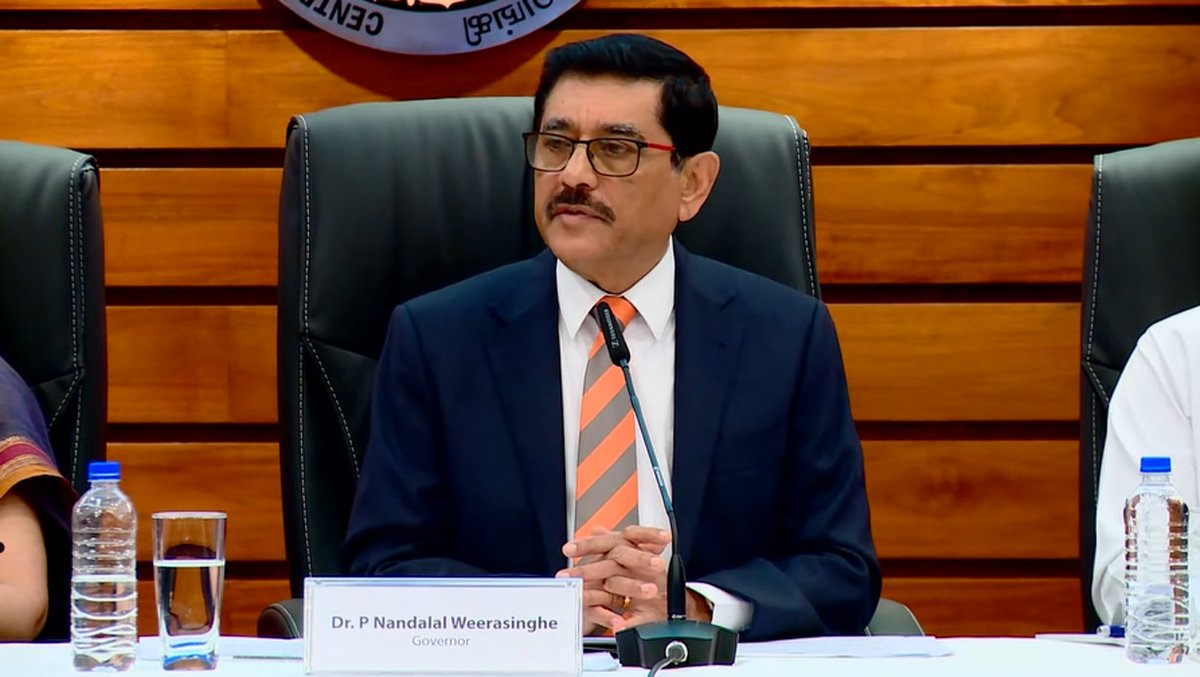
Sri Lanka has built meaningful buffers to handle external pressures, according to Central Bank Governor Dr. P. Nandalal Weerasinghe. In a Bloomberg interview on 7 March 2026, the Governor explained that the country is now in a stronger position than in recent years to absorb global uncertainties. With inflation at a comfortable 1.6% and foreign reserves significantly rebuilt, the message for the public is clear: the economy has gained resilience, but continued careful management remains essential to protect everyday lives.
Also in Explained | Sri Lanka Inflation Slows to 1.6% in February 2026: Mixed Impact on Households
Stronger Foreign Reserves Provide a Safety Net
One of the most reassuring points from the interview is the improvement in foreign reserves. By the end of 2025, gross official reserves had risen above US$6.8 billion, the highest level since the 2022 crisis. This buffer was built through steady net foreign exchange purchases by the Central Bank and support from multilateral institutions.
For ordinary Sri Lankans, stronger reserves mean greater confidence that essential imports fuel, medicines, and food are less likely to face sudden shortages or sharp price spikes during global shocks. The Governor noted that these reserves, combined with a flexible exchange rate, give the country room to respond without panic measures that once affected daily life so severely.
Low Inflation Leaves Room to Absorb Future Shocks
Inflation currently stands at around 1.6%, well below the 5% medium-term target agreed with the government. This low level gives policymakers space to handle potential price increases from global events without immediately threatening household budgets.
The public has benefited greatly from this stability. After the painful experience of over 70% inflation in 2022, the current calm has helped real wages recover and made planning easier for families. The Governor highlighted that cost-reflective pricing mechanisms and flexible inflation targeting will allow the economy to adjust smoothly to any external price pressures, rather than letting them spiral out of control.
Flexible Policies and Improved Fundamentals
Dr. Weerasinghe emphasised that Sri Lanka’s policy framework today is more flexible and credible than before. The Central Bank can use exchange rate flexibility and data-driven decisions to respond to shocks, while improved macroeconomic fundamentals provide a solid base.
For citizens, this translates to a more predictable environment. Businesses can invest with greater confidence, creating jobs, and the government can focus on essential services without the constant threat of a new crisis. The Governor acknowledged that any major external shock may still require discussions with the IMF, but he expressed hope that current geopolitical tensions will ease, reducing the likelihood of severe disruption.
What This Means for Everyday Sri Lankans
The Governor’s interview sends a balanced yet optimistic message to the public. Sri Lanka is better prepared today because of deliberate reforms and patient rebuilding of buffers. Families can expect greater protection for their purchasing power, more stable prices for essentials, and a lower risk of sudden shortages or blackouts.
At the same time, the message is realistic: no country is immune to global challenges. Continued fiscal discipline, investment in climate resilience, and support for vulnerable households remain important to ensure that the benefits of stability reach every part of society.
The Central Bank’s clear communication through this Bloomberg interview reflects growing confidence in Sri Lanka’s economic management. For the public, the key takeaway is reassurance grounded in facts: the country has come a long way, and the foundations are now stronger to face whatever lies ahead.
Also in Explained | Oil Prices Surge After Gulf Conflicts and Strait of Hormuz Tensions: Impact on Sri Lanka’s Fuel Costs in March 2026