
Sri Lanka’s intensified anti-drug campaign has introduced sweeping reforms through the Poisons, Opium and Dangerous Drugs (Amendment) Act No. 41 of 2022, tightening narcotics enforcement and penalties nationwide. But will these drug law restrictions translate into measurable social change? Beyond arrests and seizures, the success of Sri Lanka’s drug policy depends on comprehensive rehabilitation programs, youth prevention initiatives, and community-based solutions. This analysis examines whether the government’s approach can address drug addiction as a public health crisis while tackling trafficking networks, or if enforcement alone will perpetuate cycles of prison overcrowding and relapse.
From Colombo to the outer provinces, authorities have made visible strides in tackling the drug trade, arresting high-profile suspects, and conducting frequent raids. Yet beyond the media headlines and political rhetoric, a crucial question remains unanswered, will these government restrictions actually yield measurable results at a social level? The issue extends beyond policing; it touches families, youth, education, employment, and the social fabric itself.
Understanding Sri Lanka’s 2022 Drug Law Reforms
The government’s approach is anchored in recent legislative amendments that redefine trafficking, tighten procedural standards, and impose heavier penalties. This comprehensive reform represents a significant shift in Sri Lanka’s drug enforcement strategy, aiming to address both supply and demand sides of the narcotics problem.
Key Provisions of the Poisons, Opium and Dangerous Drugs (Amendment) Act No. 41 of 2022
The Narcotics Act amendments clarify definitions of purity and quantity, helping prosecutors secure stronger convictions. Alongside this, the Narcotics Control Unit under the Sri Lanka Customs Department has expanded its focus to include precursor chemicals, cross-border monitoring, and cooperation with regional counterparts.
On the surface, the strategy appears comprehensive laws are stronger, agencies are more active, and enforcement is visible. High-level campaigns and “anti-drug days” have amplified public attention, creating the impression of an assertive government determined to dismantle narcotics networks. However, as with many state-led crackdowns, the challenge lies not in drafting laws but in ensuring they deliver results that reshape communities and reduce drug dependency in the long run.
What Does Success Look Like? Measuring Social Impact Beyond Enforcement
To evaluate whether these new restrictions can create real social change, we must first define what “success” looks like in drug policy effectiveness. A successful anti-narcotics framework should lead to tangible outcomes that improve community wellbeing.
Indicators of Effective Anti-Narcotics Policy
A successful anti-narcotics framework should lead to:
- Tangible reduction in drug usage and trafficking
- Improved community safety and public confidence
- Measurable improvements in youth welfare
- Accessible drug addiction treatment for affected families
- Reduced school dropouts and drug-related incidents
- Effective rehabilitation services that prevent relapse
- Stronger trust in law enforcement institutions
Achieving these outcomes requires more than legal instruments it demands coordinated social policies, consistent funding, and long-term commitment to community-based drug rehabilitation.
Current Enforcement Statistics and Arrest Rates
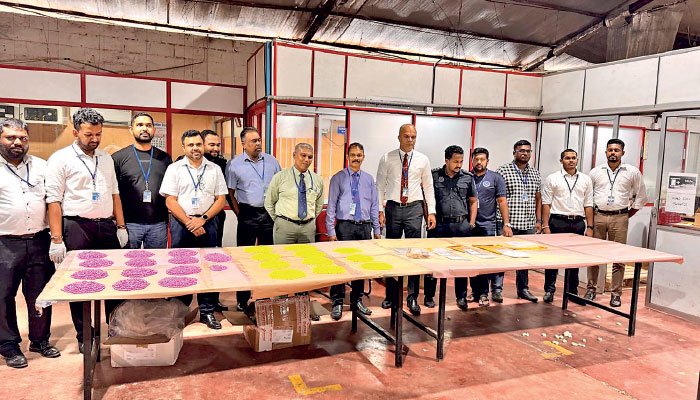
At present, the available indicators suggest a mixed picture. Drug enforcement statistics show higher arrest rates and increased seizures, signalling that authorities are actively disrupting trafficking operations. This is a short-term success. Yet studies and commentaries reveal deeper cracks in the system.
The Gap Between Law and Reality: Critical Challenges
While Sri Lanka’s narcotics policy shows promise on paper, implementation reveals significant obstacles that could undermine its effectiveness.
Prison Overcrowding and Judicial Backlog
Human rights reports have highlighted the severe prison overcrowding in Sri Lanka caused by drug-related detentions, with many accused individuals waiting years for trial. Sri Lanka’s judicial backlog slows the process of justice, weakening deterrence and worsening social costs.
Targeting Small-Scale Users vs. Major Trafficking Networks
Analysts argue that the focus has historically fallen on low-level users and small-scale traffickers rather than the financiers and networks controlling supply chains. Even with the new laws, this pattern risks persisting unless the system changes its priorities to target major drug trafficking networks.
The Missing Link: Rehabilitation and Prevention Programs
Another limitation lies in the absence of comprehensive drug rehabilitation and prevention programmes. While the state conducts awareness campaigns, many of these remain surface-level, often launched around commemorative events rather than sustained efforts throughout the year.
Rehabilitation centres, both public and private, struggle with underfunding and lack of trained counsellors. This shortage of resources directly impacts the effectiveness of drug addiction treatment Sri Lanka can provide.
Why Addiction Must Be Treated as a Public Health Crisis
For Sri Lanka drug restrictions to truly work, addiction must be treated as a public health approach to addiction, not merely a criminal issue.
Stigma and Barriers to Treatment
- Stigma around drug addiction continues to create barriers. Many families hide drug use instead of seeking help due to fear of police action or community shame. This environment discourages recovery and encourages relapse, undermining the goals of any anti-drug campaign Sri Lanka implements.
The Role of Community Support Systems
- When recovered users are treated with dignity, they become advocates for change. Community support systems play a crucial role in creating stigma-free environments for discussion and reintegration, making substance abuse treatment more effective.
Trafficking Networks and Sri Lanka’s Geographic Vulnerability
A further complication is the adaptability of trafficking networks. Crackdowns in one area often push the trade underground or shift routes elsewhere.
Maritime Trafficking Routes
- Sri Lanka’s geographical position as a maritime hub makes it vulnerable to transnational trafficking, especially via sea routes. The island nation’s location along major shipping lanes creates opportunities for drug trafficking that require constant vigilance.
Need for International Coordination
- Without stronger international coordination and intelligence-sharing, enforcement efforts may only relocate the problem rather than solve it. Cross-border drug monitoring becomes essential for disrupting supply chains effectively.
Likewise, without addressing domestic demand especially among unemployed or disaffected youth the market for narcotics will persist. Youth vulnerability, shaped by economic frustration, peer influence, and lack of recreational outlets, continues to feed the cycle of dependency.
Building Sustainable Solutions: Beyond Punishment
To translate the current legal momentum into sustainable social outcomes, Sri Lanka must balance law enforcement with prevention, rehabilitation, and community rebuilding.
1. Expanding Rehabilitation Facilities Across Districts
The state should expand rehabilitation facilities across districts, providing accessible, affordable treatment and post-recovery support. Investment in drug treatment centers must be prioritized to handle the volume of cases effectively.
2. Integrating Drug Education in Schools
The education system should embed drug awareness and life-skills programmes into curricula, delivered in both Sinhala and Tamil to ensure inclusivity. Youth drug prevention Sri Lanka initiatives must start early to build resilience against peer pressure.
3. Community Policing and Trust-Building
Community policing and local leadership must be mobilised to build trust people should see law enforcement as partners, not threats. This approach enhances the effectiveness of drug enforcement mechanisms by fostering cooperation.
4. Evidence-Based Monitoring Systems
Monitoring systems should track real social indicators: drug prevalence rates, school attendance, family stability, and crime data. This evidence-driven approach would reveal whether the anti-drug campaign produces meaningful, long-term effects.
Economic Factors: Livelihood Development as Drug Prevention
In parallel, livelihood development plays an essential role in drug prevention. In communities where trafficking and drug use are driven by economic hardship, alternative income opportunities are vital.
1. Vocational Programs for At-Risk Youth
Government and private partnerships can create vocational programmes for at-risk youth, steering them away from the narcotics economy. Such interventions not only address poverty but also foster self-worth and community engagement—core elements of social recovery.
2. Public-Private Partnerships for Community Recovery
Public-private partnerships can amplify rehabilitation efforts by creating safe, stigma-free environments for discussion and reintegration. Civil society and faith-based organisations complement government efforts in community recovery.
Transparency and Accountability in Drug Enforcement
Transparency and accountability are critical for maintaining public confidence. Public trust in the anti-narcotics drive depends on whether enforcement is perceived as fair and impartial.
Allegations of selective targeting or political influence can undermine legitimacy. Therefore, the government must publish transparent data on arrests, convictions, and rehabilitation outcomes. Oversight mechanisms, including parliamentary committees and independent watchdogs, should ensure the policy remains balanced between control and compassion.
Without trust, community cooperation will fade, making enforcement less effective and reducing the overall impact of Sri Lanka’s drug policy 2024.
The Verdict: Can Sri Lanka Achieve Real Social Change?
The overall questionwill Sri Lanka’s new narcotics restrictions yield real social change? – has no definitive answer yet. There is progress in law and enforcement, but less evidence of transformation in everyday life.
The crackdown has raised awareness and disrupted supply lines, but sustainable results hinge on what follows. If the system continues to rely mainly on punishment, the cycle will repeat: prisons fill, users relapse, and trafficking adapts.
If, however, the state invests equally in prevention, rehabilitation, and community support, these laws could mark a turning point in Sri Lanka’s social health. The outcome depends not on the text of the law, but on its implementation and the empathy with which it is enforced.
Ultimately, the fight against narcotics cannot be won through fear or force alone. It requires education, opportunity, and a consistent national dialogue on why people use drugs in the first place. Strengthening families, schools, and neighbourhoods is the real long-term strategy.
When young people find purpose and belonging, they are less likely to fall prey to addiction. When recovered users are treated with dignity, they become advocates for change. And when enforcement focuses not just on arrests but on rehabilitation, the results ripple across generations.
The government’s restrictions, therefore, are a starting point not a solution. For Sri Lanka to achieve real social change, the war on drugs must evolve into a mission for recovery, prevention, and human dignity.
Frequently Asked Questions
Q: What is the Poisons, Opium and Dangerous Drugs Amendment Act 2022?
A: Sri Lanka’s 2022 amendment strengthens narcotics laws by redefining trafficking, imposing heavier penalties, and clarifying drug purity standards to secure stronger prosecutions.
Q: How effective are Sri Lanka’s drug rehabilitation programs?
A: Current rehabilitation facilities face underfunding and lack of trained counselors, limiting their effectiveness. Expansion and sustained investment are needed for measurable social impact.
Q: What is the main challenge in Sri Lanka’s anti-drug campaign?
A: The primary challenge is balancing enforcement with prevention and rehabilitation while addressing judicial backlogs, stigma, and economic factors driving drug use.
Q: Does Sri Lanka treat drug addiction as a public health issue?
A: While there’s growing recognition of the need for a public health approach, the current system remains heavily enforcement-focused, with insufficient investment in rehabilitation and prevention programs.
Share your thoughts: Can drug laws create social change without rehabilitation? Join the conversation with ceylonpublicaffairs.com and help shape Sri Lanka’s approach to drug policy reform.